ForPetsHealthcare
Dogs

How to Stop Cats Scratching Furniture

By Julia WrenfieldUpdated August 4, 20261 min read
Evidence-based · Sources checked
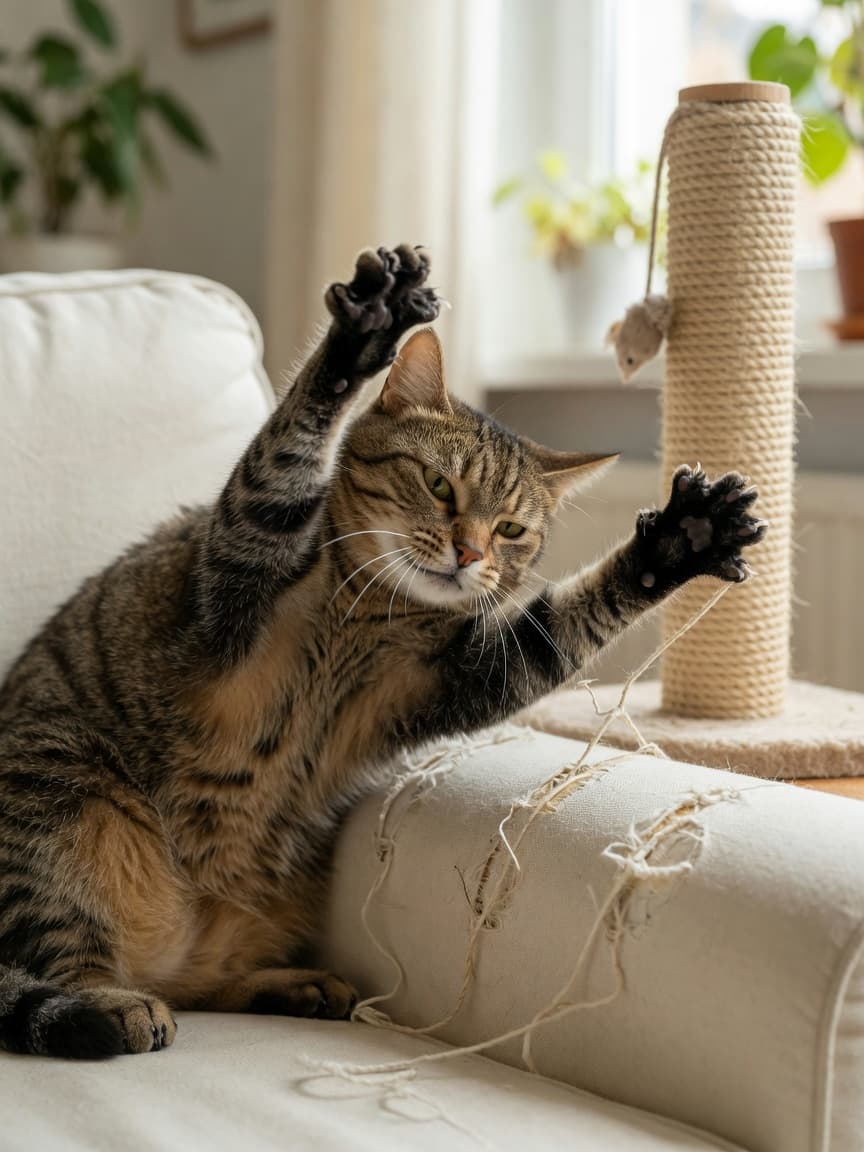
{"en": "Cat scratching wooden furniture couch with claws extended, demonstrating natural scratching behavior", "es": "Gato ara\u00f1ando sof\u00e1 de madera con garras extendidas, demostrando comportamiento natural de rasgu\u00f1o", "fr": "Chat grattant un canap\u00e9 en bois avec les griffes sortis, montrant un comportement naturel de griffage", "de": "Katze kratzt Holzm\u00f6bel-Couch mit ausgefahrenen Krallen, zeigt nat\u00fcrliches Kratzverhalten", "nl": "Kat krabt houten meubelbank met uitgestrekte nagels, toont natuurlijk krabbend gedrag", "pt": "Gato arranhando sof\u00e1 de madeira com garras estendidas, demonstrando comportamento natural de arranhar", "it": "Gatto che graffia divano in legno con artigli estesi, dimostra comportamento naturale di graffio"}
Scratching is a biological need, not misbehaviour. The solution is redirection.

Why Cats Scratch

  • Remove dead outer claw sheaths
  • Stretch muscles
  • Mark territory with scent and visual signals

Provide Alternatives
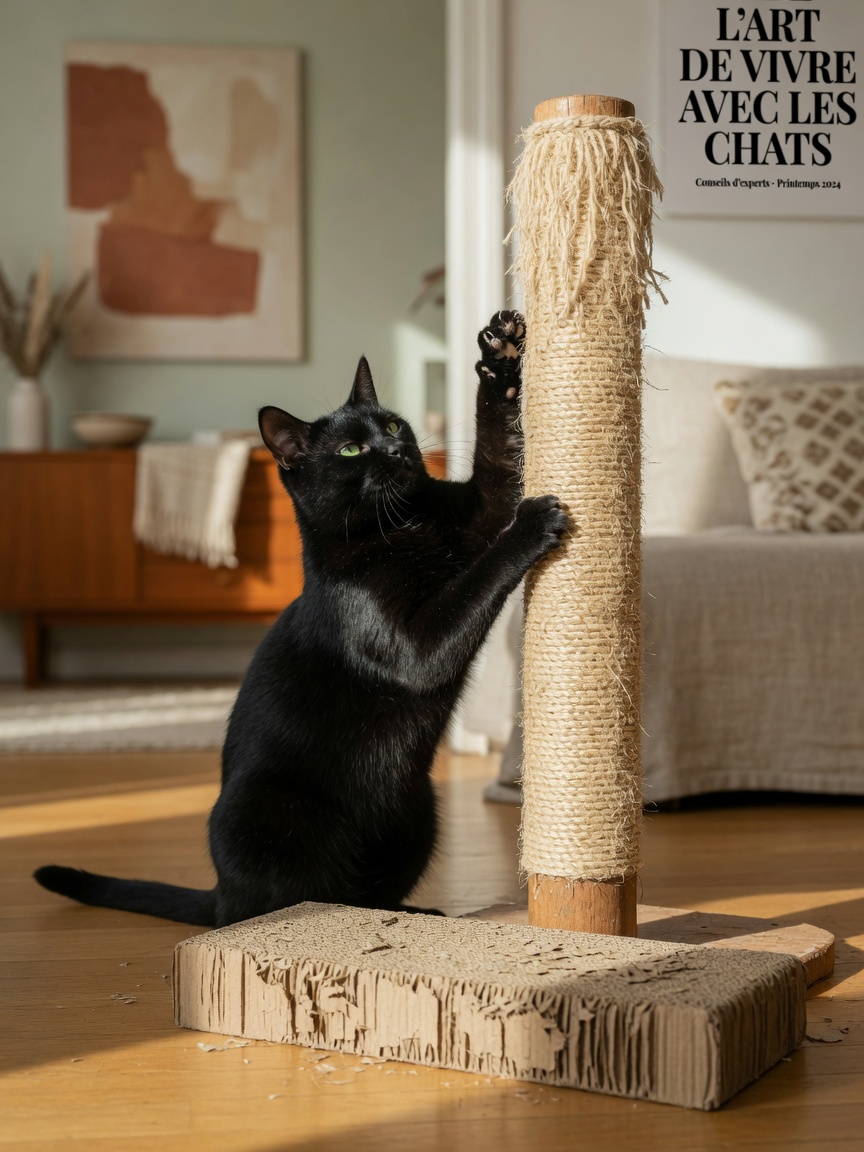
Black cat scratching a tall sisal post with a horizontal corrugated scratcher visible nearby
  • Tall, stable scratching posts (sisal rope preferred)
  • Horizontal scratchers for cats that prefer flat surfaces
  • Place posts near furniture they currently scratch

Make Furniture Less Appealing

  • Double-sided tape
  • Aluminium foil
  • Citrus spray

Never Declaw

Declawing is illegal in many countries and causes chronic pain.

#cat scratching furniture how to stop#cat health#feline nutrition#forpetshealthcare

Sources & further reading

This article is based on peer-reviewed veterinary research and reputable animal-health sources. Explore the underlying science in our Research Library.

Related articles

The 19 Best Animal Shelters in the Netherlands (2026)

the Netherlands's animal shelters, rescue associations and refuges save thousands of dogs, cats and other animals every year, almost always on tiny budgets and volunteer power. To build the most objective ranking possible, we analysed public Google reviews across more than 56 registered animal-prote…

Read more →

The 25 Best Animal Shelters in Italy (2026)

Italy's animal shelters, rescue associations and refuges save thousands of dogs, cats and other animals every year, almost always on tiny budgets and volunteer power. To build the most objective ranking possible, we analysed public Google reviews across more than 121 registered animal-protection org…

Read more →

The 48 Best Animal Shelters in Germany (2026)

Germany's animal shelters, rescue associations and refuges save thousands of dogs, cats and other animals every year, almost always on tiny budgets and volunteer power. To build the most objective ranking possible, we analysed public Google reviews across more than 152 registered animal-protection o…

Read more →

The 32 Best Animal Shelters in France (2026)

France's animal shelters, rescue associations and refuges save thousands of dogs, cats and other animals every year, almost always on tiny budgets and volunteer power. To build the most objective ranking possible, we analysed public Google reviews across more than 89 registered animal-protection org…

Read more →

The 8 Best Animal Shelters in Portugal (2026)

Portugal's animal shelters, rescue associations and municipal centros de recolha save thousands of dogs, cats and other animals every year, almost always on tiny budgets and volunteer power. To build the most objective ranking possible, we analysed public Google reviews across more than 86 registere…

Read more →

Sphynx Cat Skin care and hygiene: Causes, Signs & Care

Sphynx cats have little to no coat, which means the skin itself takes on jobs that fur normally does — insulation, oil dispersal, and barrier protection — leaving it prone to greasiness, blocked pores, fungal infections, and sunburn. The single most important thing to know is that a Sphynx's skin ne…

Read more →
Disclaimer:This article is for informational purposes only and does not constitute veterinary advice. Always consult a qualified veterinarian for your pet's health concerns.

Free newsletter

Pet health tips, straight to your inbox

Weekly science-backed advice for dog & cat owners. No spam, unsubscribe anytime.