
What Is a Hairball?
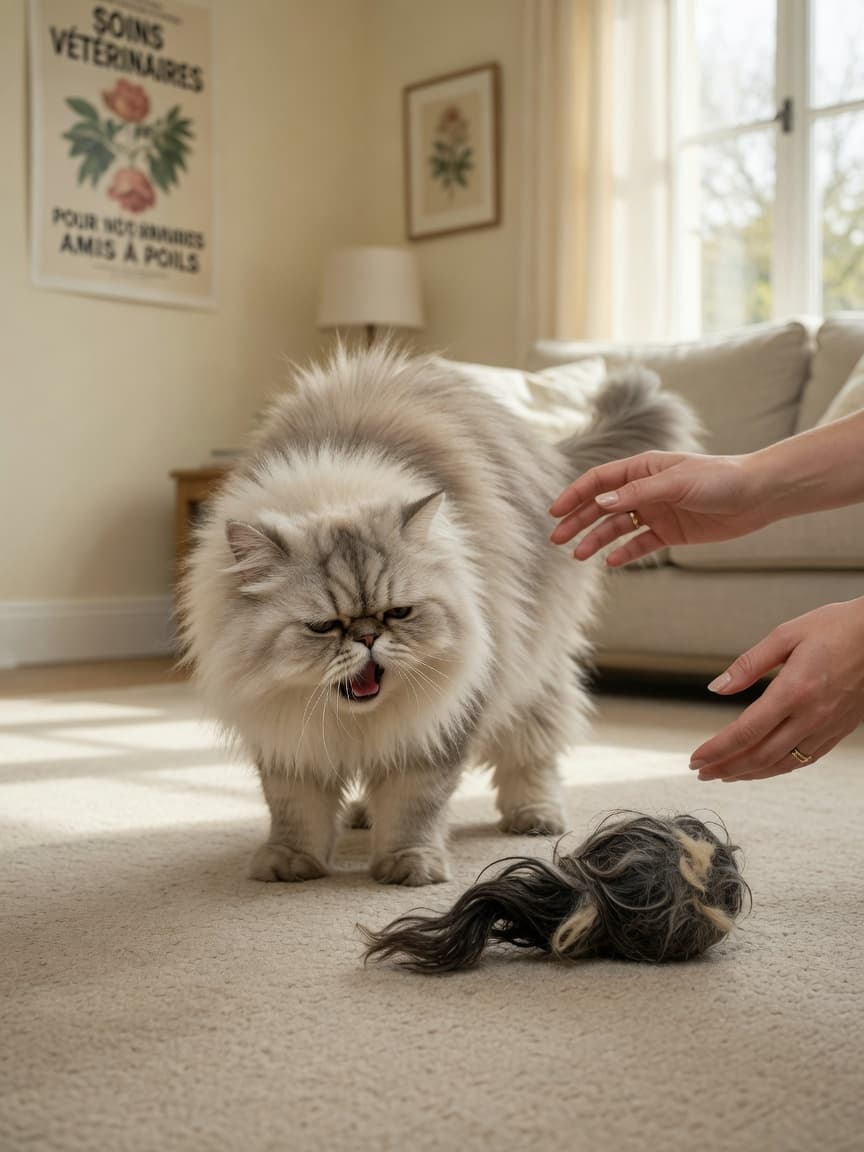
A hairball, known by its medical name trichobezoar, is a compacted mass of swallowed hair that forms inside a cat's stomach. Despite the name, hairballs are rarely round. They typically emerge as elongated, tube-shaped wads of matted fur, often coated in digestive fluid. Most cat owners recognise the sound before they see the result — a series of heaving retches followed by the deposit of what looks like a dark, damp sausage on the carpet.
Hairballs form because of the way cats groom themselves. A cat's tongue is covered in tiny, backward-facing barbs called papillae. These are excellent for detangling fur and removing dirt, but they also trap loose hairs, which the cat then swallows. Most of this hair passes harmlessly through the digestive tract and exits in the faeces. However, some hair accumulates in the stomach and, once it reaches a certain size, the cat regurgitates it.
Hairball vs Other Causes of Vomiting and Retching
Not every bout of vomiting or retching in a cat is caused by a hairball, and it is worth knowing the difference. When a cat is bringing up a hairball, you will typically see the characteristic heaving motion followed by the production of the fur mass. The cat usually recovers quickly and shows no other signs of illness.
By contrast, cats that vomit repeatedly without producing a hairball, vomit food or liquid, or appear distressed during or after vomiting may be suffering from something else entirely. Conditions that can mimic hairball symptoms include:
- Inflammatory bowel disease
- Gastritis or gastric ulcers
- Intestinal parasites
- Foreign body obstruction
- Hyperthyroidism, particularly in older cats
- Chronic kidney disease
If your cat is retching repeatedly without bringing anything up, this is a particular cause for concern and warrants prompt veterinary attention.
How Often Is Normal?
Most cats produce a hairball every one to two weeks. Some cats, particularly those with shorter coats and efficient digestive systems, may only have a hairball once a month or less. The occasional hairball is considered a normal part of feline life and does not usually indicate a health problem.
Hairballs become a concern when they occur more frequently than this, when the cat retches often without producing one, or when other symptoms accompany them. Frequency alone is not always the best indicator — context matters just as much.
Which Breeds Are Most Affected?

Long-haired breeds are significantly more prone to hairballs than their short-haired counterparts, simply because they swallow more fur during grooming. Breeds that tend to struggle most include:
- Persians
- Maine Coons
- Ragdolls
- Norwegian Forest Cats
- Siberian cats
- Birman cats
That said, any cat can develop hairballs. Cats that groom excessively — whether due to anxiety, skin conditions, or simply habit — are also at increased risk regardless of coat length. Older cats may develop hairballs more often as their digestive motility slows with age.
Managing Hairballs: Grooming
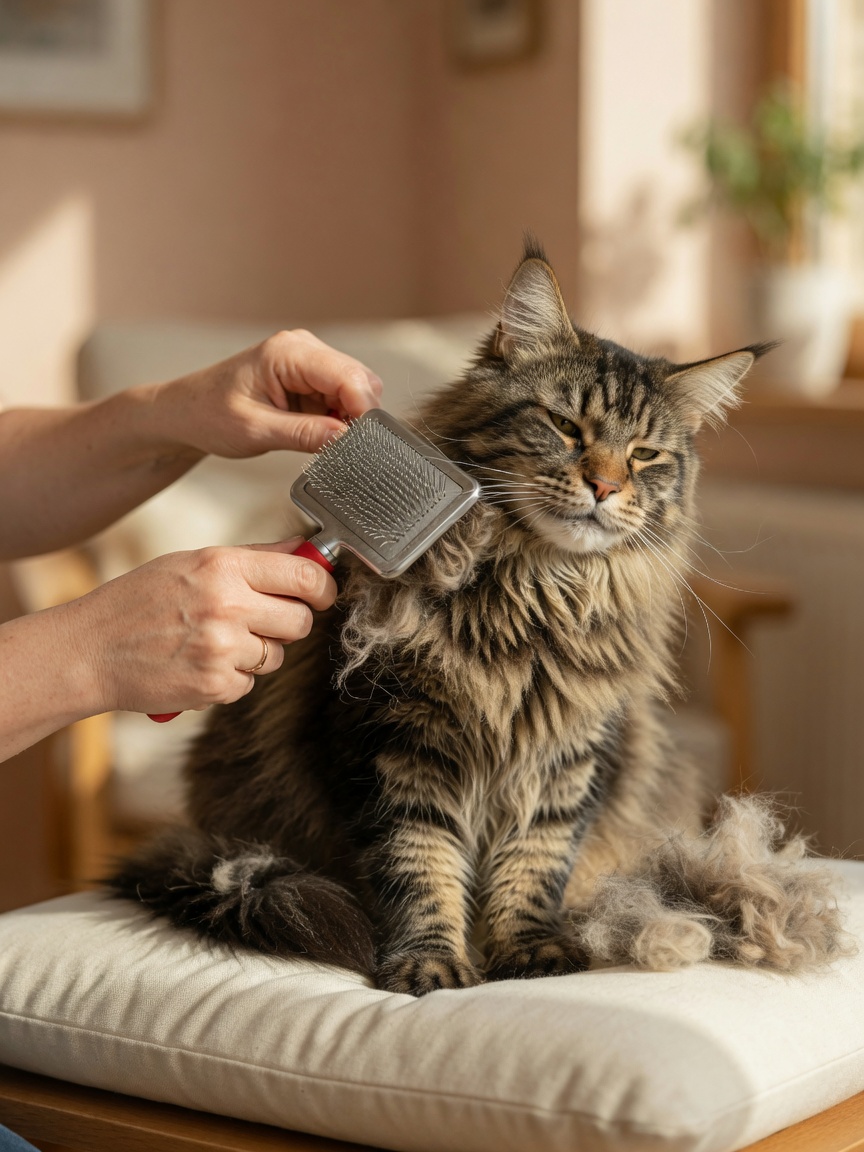
The most effective way to reduce hairballs is also the most straightforward: remove loose hair before your cat swallows it. Regular brushing reduces the amount of fur your cat ingests during self-grooming and is particularly important for long-haired breeds.
For most cats, brushing two to three times per week provides a meaningful reduction in hairball frequency. During seasonal moults in spring and autumn, daily brushing is advisable, as cats shed considerably more during these periods. Use a slicker brush or a deshedding tool appropriate for your cat's coat type. Metal combs are useful for working through denser undercoats.
Some cats resist grooming initially, especially if they were not introduced to it as kittens. Short, positive sessions with treats and praise go a long way towards building tolerance. Professional grooming is also an option for cats with particularly dense or matted coats.
Hairball Laxative Products
A range of petroleum-based hairball remedies are available from veterinary surgeries and pet shops. These products work by lubricating the digestive tract, helping trapped hair to move through and pass in the faeces rather than being regurgitated. Two of the most widely used products in the UK are Katalax and Laxatone.
Katalax is a malt-flavoured paste that many cats will accept directly from the tube or licked from a paw. It is typically given two to three times per week as a preventative measure, or daily for a short period when a cat appears to be struggling with a hairball.
Laxatone is similarly petroleum-based and comes in a gel form. It is available in tuna and maple flavours, which can help with palatability. Both products are generally considered safe for regular use, but it is worth checking with your vet before starting a routine, particularly if your cat has any underlying health conditions or is on other medications.
These products should not be used immediately before or after meals, as they can interfere with the absorption of fat-soluble vitamins if given alongside food.
Diet and High-Fibre Foods
Diet plays a supporting role in hairball management. High-fibre foods can help hair move through the digestive system more efficiently, reducing the likelihood of it accumulating in the stomach. Several commercial cat food brands produce specific hairball-control formulas that contain elevated levels of fibre alongside ingredients designed to support coat health.
Adding a small amount of plain tinned pumpkin (not pie filling, which contains spices) to your cat's food is a home remedy some owners find helpful. It is naturally high in fibre and generally well tolerated. Ensuring your cat stays well hydrated also supports digestive motility — wet food is preferable to dry for cats that are prone to hairballs.
When to See a Vet
Most hairballs resolve without any intervention, but there are situations where veterinary advice is essential. Contact your vet if your cat shows any of the following:
- Repeated retching or gagging without producing a hairball over more than a day or two
- Loss of appetite or significant reduction in food intake
- Weight loss over a period of weeks
- Constipation or straining to pass faeces
- A swollen or painful abdomen
- Lethargy or obvious signs of discomfort
These symptoms can indicate that a hairball has caused a blockage in the intestines — a condition known as gastrointestinal obstruction. This is a serious and potentially life-threatening situation that requires prompt treatment, often involving laxatives administered by a vet or, in severe cases, surgical intervention.
Cats that are vomiting frequently without a clear hairball explanation should also be assessed by a vet, as frequent vomiting is never truly normal and can signal underlying illness that needs to be diagnosed and treated.
A Quick Summary
Hairballs are a normal but manageable part of cat ownership. Understanding why they happen — the barbed tongue, the swallowed fur, the stomach accumulation — makes it easier to take practical steps to reduce them. Regular brushing tackles the problem at source, petroleum-based products like Katalax or Laxatone help move hair through the digestive system, and a high-fibre diet provides additional support. When symptoms go beyond the occasional retch, a visit to the vet is always the right call.