
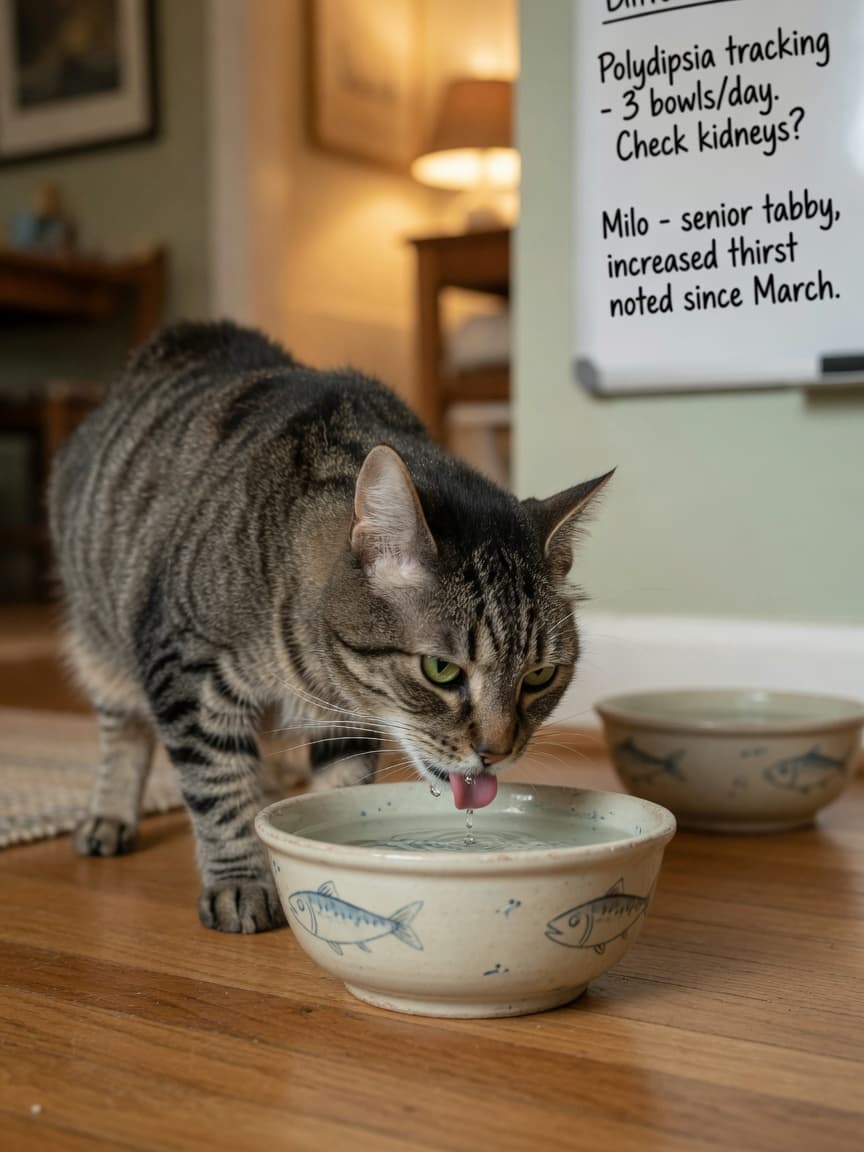
Why Is My Cat Drinking So Much Water?
If you have noticed your cat visiting the water bowl far more frequently than usual, or drinking from unusual sources such as dripping taps or puddles, it is worth paying attention. Excessive thirst — known medically as polydipsia — is one of the most reliable early warning signs of several serious underlying conditions in cats. Paired with increased urination (polyuria), the combination is a clear signal that your cat's body is under stress.
As a general rule, a healthy adult cat drinks between 40 and 60 millilitres of water per kilogram of body weight per day. Cats on wet food consume much of their moisture through meals, so dramatic increases in drinking are particularly noticeable and significant. Below are the most common causes, ranked by frequency.
Most Common Causes of Excessive Thirst in Cats
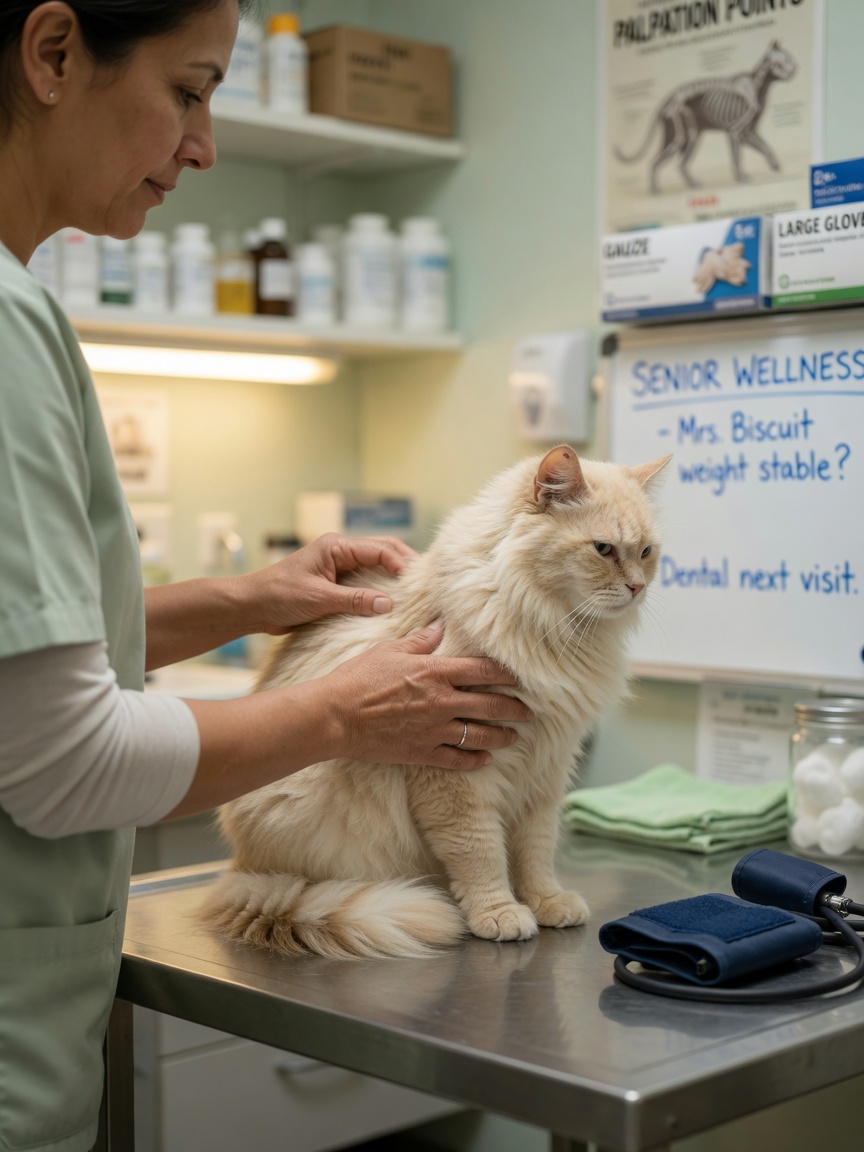
1. Chronic Kidney Disease (CKD)
Chronic kidney disease is by far the most frequent cause of polydipsia in cats, particularly those aged seven and older. Healthy kidneys concentrate urine efficiently, retaining water for the body. When kidney function declines, the kidneys lose this concentrating ability and produce large volumes of dilute urine — the body then triggers intense thirst to compensate for that fluid loss.
CKD is progressive and sadly very common: studies suggest up to 30–40% of cats over 15 years of age are affected to some degree. Early detection through blood and urine testing — checking creatinine, SDMA, urea, and urine specific gravity — allows treatment to begin before serious damage accumulates. Dietary management with a kidney-supportive, low-phosphorus diet, alongside adequate hydration and medication where needed, can significantly extend a cat's quality life years.
2. Diabetes Mellitus
Diabetes is the second most common cause. In diabetic cats, insulin deficiency or resistance means glucose cannot enter cells properly. Blood glucose rises (hyperglycaemia), and when it exceeds the kidney's reabsorption threshold, glucose spills into the urine and draws large amounts of water with it, causing frequent urination and compensatory thirst. Affected cats often also lose weight despite a ravenous appetite.
Diagnosis requires fasting blood glucose measurement and urinalysis. Many cats achieve remission with insulin therapy and a high-protein, low-carbohydrate diet, particularly when treatment begins early.
3. Hyperthyroidism
An overactive thyroid gland is extremely common in middle-aged and older cats. Excess thyroid hormone raises metabolic rate and can indirectly cause increased thirst and urination. Cats with hyperthyroidism often appear hyperactive, have a voracious appetite yet lose weight, and may vocalise excessively. A simple blood test measuring thyroid hormone (total T4) confirms the diagnosis. Treatment options include medication (methimazole), radioactive iodine therapy, surgery, or a specialist iodine-restricted diet.
4. Pyometra (in Unspayed Females)
Pyometra — a life-threatening uterine infection — can cause dramatic polydipsia in intact female cats. The bacterial toxins interfere with the kidney's ability to concentrate urine. If your unspayed cat is drinking excessively, especially if she seems lethargic, has a distended abdomen, or there is any vaginal discharge, treat this as an emergency and seek veterinary attention immediately.
5. Liver Disease
Hepatic conditions, including hepatic lipidosis (fatty liver disease) and cholangitis, can disrupt fluid balance and cause excessive thirst. Liver disease in cats often presents with jaundice (yellowing of the skin, gums, and whites of the eyes), weight loss, and lethargy alongside increased drinking. Blood tests assessing liver enzymes (ALT, ALP, GGT) and imaging such as ultrasound are typically needed for diagnosis.
Other Causes to Consider
- Hypercalcaemia (elevated blood calcium), which can itself damage the kidneys
- Certain medications, including corticosteroids
- Acromegaly (excess growth hormone, often linked to insulin-resistant diabetes)
- Psychogenic polydipsia (rare in cats, more common in dogs)
The Kidney Disease Link: Why Older Cats Are at Highest Risk
Feline CKD deserves special attention because it is so prevalent and because early signs are easily missed. The kidneys have enormous reserve capacity — a cat may lose up to 75% of kidney function before obvious symptoms appear. By the time polydipsia becomes noticeable, significant damage has often already occurred.
Veterinary bodies across the EU, including IRIS (International Renal Interest Society), recommend annual blood and urine screening for cats from age seven, and biannual screening from age ten. This allows CKD to be staged accurately using the IRIS system and managed proactively. Key markers include serum creatinine, SDMA (a particularly sensitive early marker), phosphorus, and urine specific gravity.
Once diagnosed, management focuses on maintaining hydration (wet food, drinking fountains, subcutaneous fluids in advanced cases), restricting phosphorus intake, controlling blood pressure, and addressing any concurrent conditions such as anaemia or hyperthyroidism — which can mask the severity of CKD by temporarily improving some kidney values.
Red Flags: When Excessive Thirst Becomes an Emergency
- Sudden collapse or profound weakness — may indicate diabetic ketoacidosis or aortic thromboembolism
- Complete loss of appetite for more than 24 hours
- Vomiting repeatedly, especially alongside thirst
- Yellowing of the skin, gums, or eyes (jaundice)
- Distended or painful abdomen
- Foul-smelling vaginal discharge in an unspayed female
- Difficulty breathing
- Seizures or disorientation
Any of these signs alongside excessive thirst require same-day emergency veterinary attention — do not wait for a routine appointment.
What to Do at Home Before the Appointment
While you arrange a vet visit, monitoring your cat's fluid intake can give the vet useful information. Try measuring how much water is put into the bowl each morning and how much remains each evening. Note whether your cat is also urinating more frequently, or if the litter tray feels unusually heavy. Collect a fresh urine sample if possible (clean trays with non-absorbent plastic granules work well for this) — your vet may be able to use it for immediate analysis.
Do not restrict water access. However much your cat is drinking, fresh water must always be available.
Diagnosis: What Your Vet Will Check
Your vet will typically recommend a combination of blood tests (full biochemistry panel including kidney markers, thyroid hormone, glucose, liver enzymes, and calcium) and urinalysis (urine specific gravity, glucose, protein, and sediment). Imaging — abdominal ultrasound or X-rays — may be needed to assess kidney size and structure or to rule out pyometra. In some cases, a urine culture, specialist endocrine testing, or referral to an internal medicine specialist will be advised.
See Your Vet If...
- Your cat's water intake has noticeably increased over the past week or more
- The litter tray needs emptying more often than usual
- Your cat is losing weight despite eating normally or more than usual
- Your cat is lethargic, vomiting, or off its food alongside increased thirst
- Your cat is over seven years old and has not had a wellness blood screen in the past year
Excessive thirst in cats is almost never "just the warm weather." It is a symptom worth investigating promptly — and in many conditions, including CKD and diabetes, early diagnosis makes a meaningful difference to long-term outcomes.