
Canine transmissible venereal tumour (CTVT) is a unique and fascinating cancer that spreads between dogs through direct contact during mating. Unlike most cancers, which arise from a dog's own cells, CTVT is actually a transplantable tumour that passes from one individual to another, making it one of the few contagious cancers in the animal kingdom. Understanding this condition is essential for dog owners, particularly those with unspayed or unneutered pets, as early recognition and treatment can lead to excellent outcomes.
What Is Canine Transmissible Venereal Tumour?
CTVT is a malignant tumour of the reproductive tract that affects dogs worldwide, though it's most commonly seen in areas with large populations of stray or uncontrolled breeding animals. The tumour originates from the genital tissues and spreads exclusively through sexual contact or, occasionally, through oral contact with infected tissue. Interestingly, the tumour cells that grow in one dog are genetically distinct from that dog's own cells—they're essentially parasitic cells that have been passed down through dog populations for centuries.
Clinical Signs and Symptoms
Pet owners should watch for specific warning signs that may indicate CTVT:
- Bloody or bloody-tinged vaginal discharge in females (often the first noticeable sign)
- Swelling or visible mass on the external genitalia
- Difficulty urinating or defecating
- Excessive licking or grooming of the genital area
- Behavioural changes such as reluctance to sit or walk normally
- In males, a nodule or swelling on the penis or prepuce
It's crucial to note that not all dogs show obvious symptoms initially. Some tumours remain small and asymptomatic until discovered during a routine veterinary examination.
Diagnosis and Veterinary Assessment
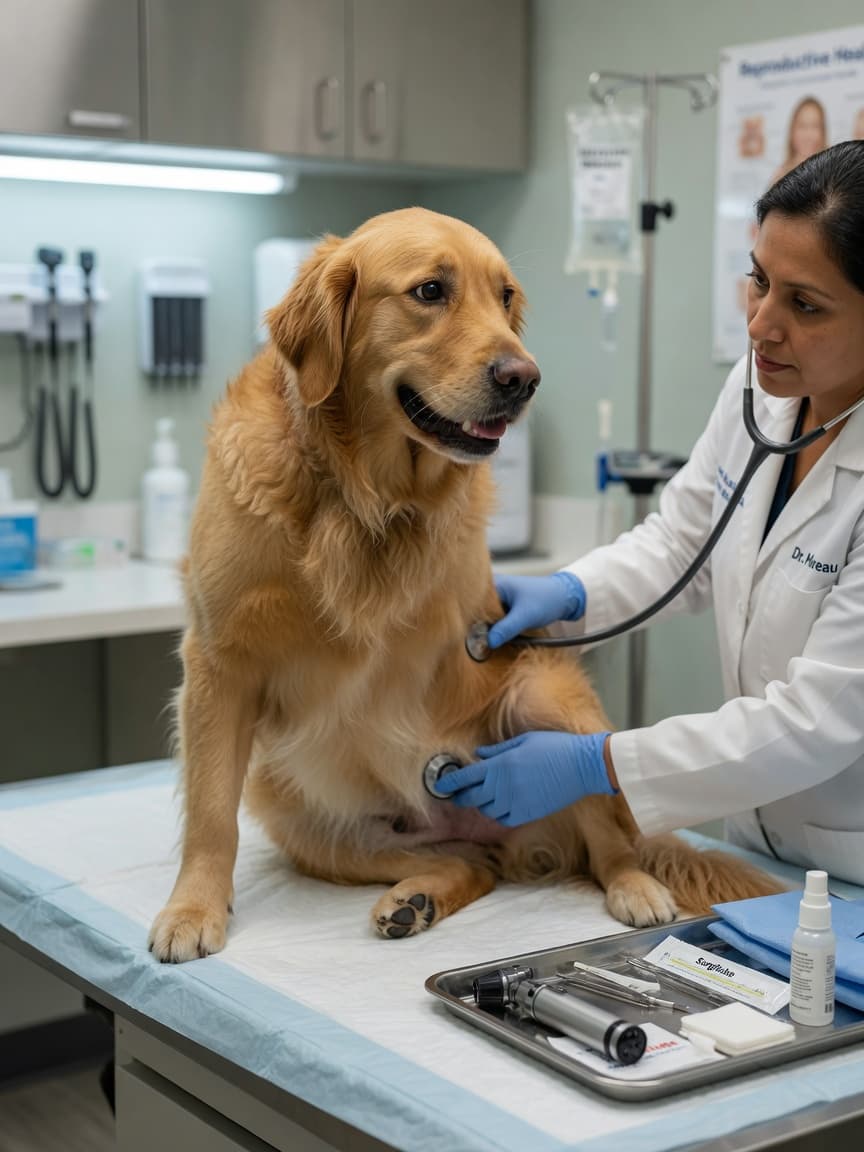
Your veterinary surgeon will typically diagnose CTVT through a combination of clinical examination and diagnostic tests. A fine needle aspirate or tissue biopsy is usually taken to confirm the diagnosis microscopically. The characteristic appearance of the cells under the microscope makes CTVT relatively straightforward to identify. Imaging such as ultrasound or X-rays may be recommended to assess whether the tumour has spread to other areas of the body, though metastasis (spread to distant sites) is uncommon in CTVT compared to other cancers.
Treatment Options and Prognosis
The good news is that CTVT responds exceptionally well to treatment. The standard approach includes:
- Chemotherapy: This is the primary treatment, with vincristine being the most commonly used drug. Most dogs require 4-6 weekly injections, with cure rates exceeding 90%
- Surgical removal: May be considered for small, accessible tumours, though chemotherapy is generally more effective
- Radiation therapy: Sometimes used in combination with other treatments, particularly for large or difficult-to-treat cases
The prognosis for dogs diagnosed with CTVT is remarkably positive. With appropriate chemotherapy, the majority of dogs experience complete remission with minimal side effects. Follow-up examinations are essential to monitor for recurrence.
Prevention Through Responsible Pet Ownership
Prevention is straightforward and highly effective:
- Spay or neuter your dog unless you're a responsible breeder with health screening protocols
- Prevent unsupervised contact between your dog and unknown animals
- Seek immediate veterinary attention if you notice any genital abnormalities or discharge
- Ensure rescue dogs are screened by vets before introducing them to other pets
Key Takeaways
Canine transmissible venereal tumour, whilst serious, is one of the most treatable cancers in veterinary medicine. Early detection through regular veterinary check-ups and awareness of clinical signs dramatically improves outcomes. Spaying and neutering remain the most effective prevention strategy. If your dog is diagnosed with CTVT, modern chemotherapy offers an excellent chance of cure with minimal complications. Always consult your veterinary surgeon if you notice any unusual genital symptoms—prompt action can make all the difference.