
Winter brings a unique set of challenges for our canine companions, and understanding how to support their health during the colder months is essential for every responsible dog owner. Whether your furry friend is a working assistance dog or a beloved family pet, the seasonal shift demands adjustments to their care routine. This guide explores the most important winter health considerations for dogs, drawing on the latest veterinary research and practical experience from animal health professionals across Europe.
Winter Coat Care and Skin Health
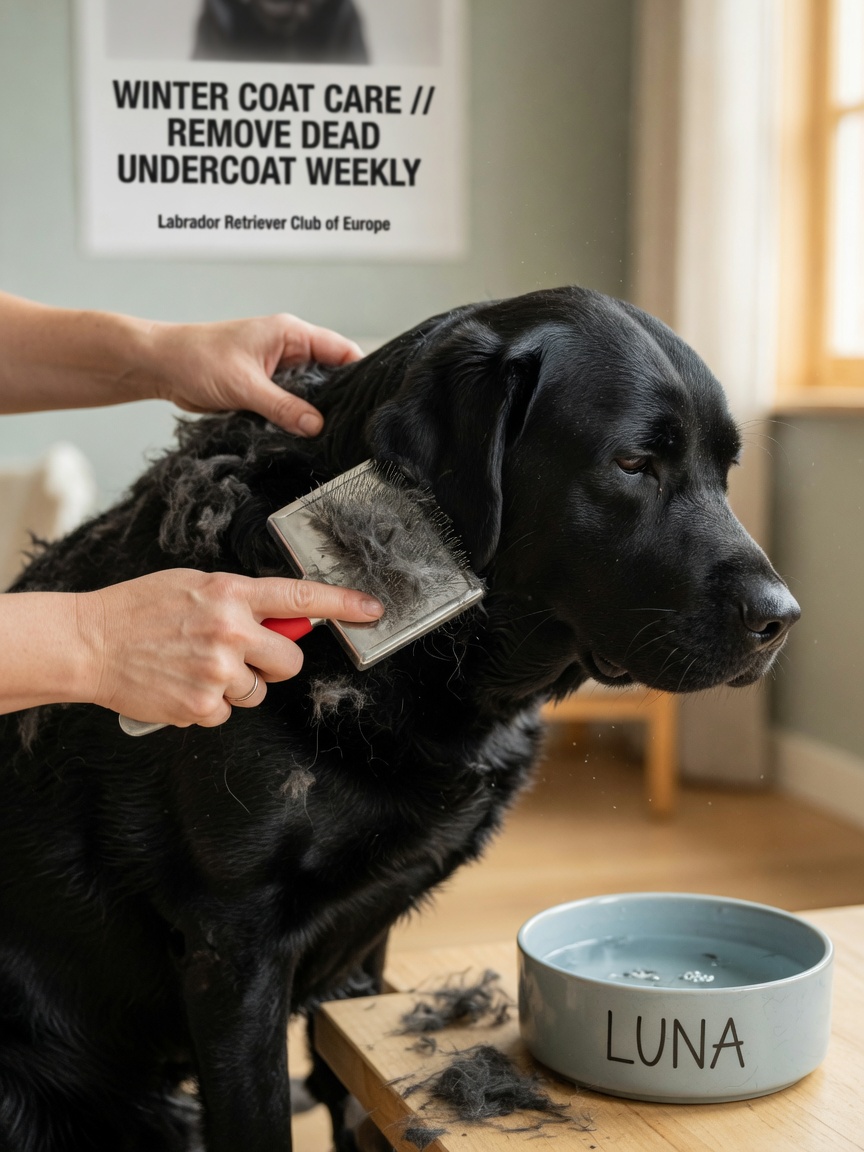
The transition into winter often triggers changes in your dog's coat and skin condition. Cold air, indoor heating systems, and reduced moisture create an environment where skin irritation becomes more common. Grooming becomes even more critical during these months.
- Maintain regular brushing sessions to remove dead hair and improve circulation to the skin
- Consider bathing less frequently to preserve natural oils that protect the skin
- Increase omega-3 fatty acids in your dog's diet through fish oil supplements or foods rich in these nutrients
- Watch for signs of dry, flaky skin and excessive scratching, which may indicate dermatitis
- Keep your home's humidity levels between 30-50% to prevent excessive drying
Exercise and Joint Health During Cold Weather
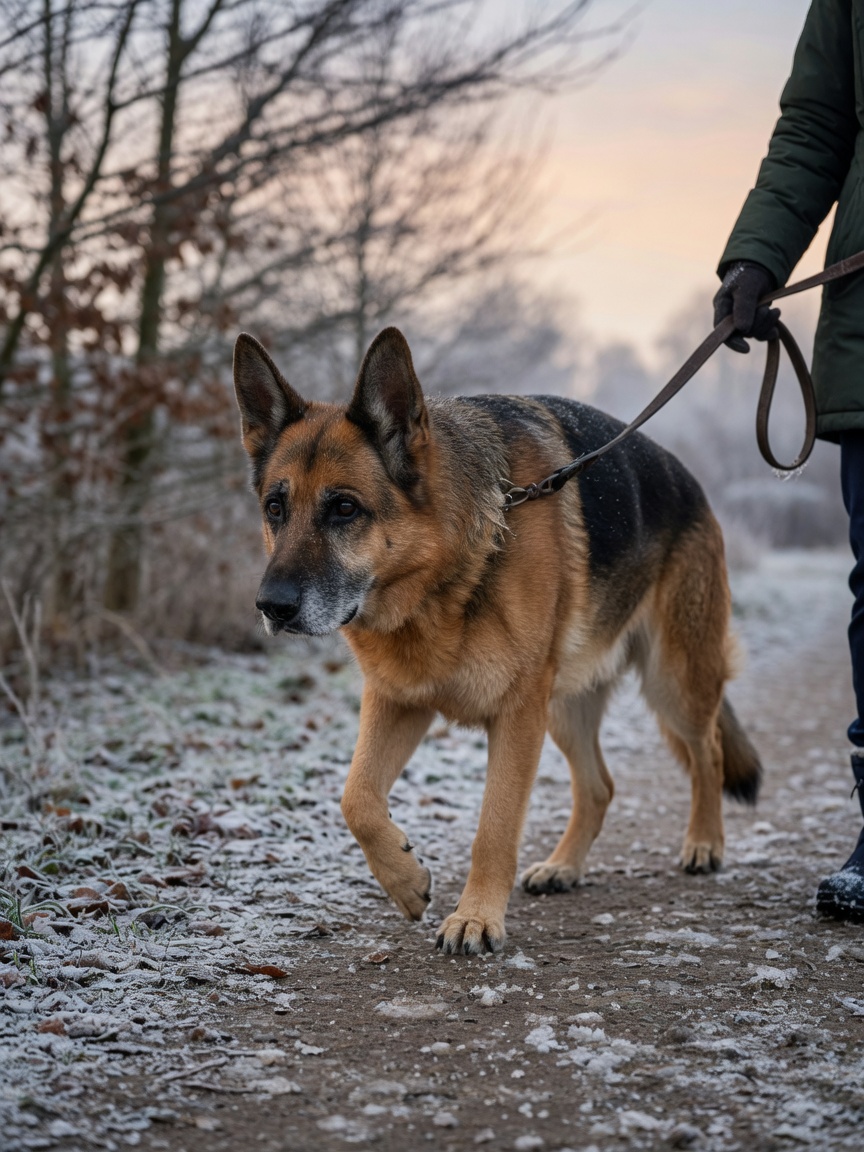
Winter weather doesn't mean your dog needs less exercise, but the approach should be thoughtful. Cold temperatures can exacerbate joint stiffness, particularly in senior dogs or breeds prone to orthopaedic issues.
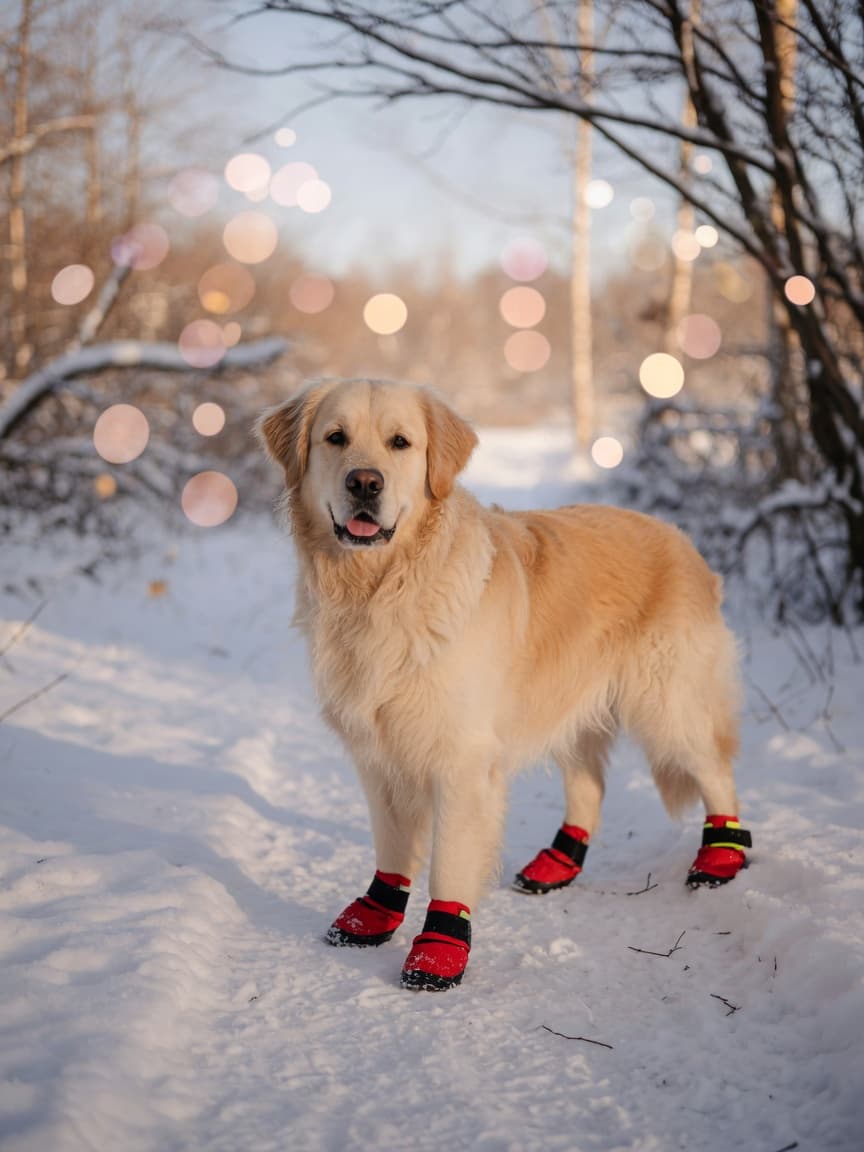
Warm up gradually before vigorous activity, much like human athletes do. Start with gentle walks and allow your dog's muscles to loosen before engaging in more intense play. Salt and ice-melting chemicals used on pavements can irritate paw pads, so rinse and dry your dog's feet thoroughly after outdoor time. Consider protective booties for particularly sensitive paws.
Dogs with arthritis may benefit from keeping their weight within healthy ranges to reduce joint stress. If you notice limping, reluctance to exercise, or difficulty rising after rest, consult your veterinary surgeon about pain management options.
Nutritional Adjustments for Winter Wellness
As temperatures drop, many dogs require slightly more calories to maintain body heat and energy levels. However, this varies significantly based on breed, age, activity level, and whether your dog spends time outdoors.
- Assess your dog's body condition score monthly
- Discuss caloric needs with your veterinary surgeon
- Ensure adequate hydration—cold weather often leads to decreased water intake
- Include antioxidant-rich foods to support immune function
- Consider joint-supporting supplements containing glucosamine and chondroitin
Parasite Prevention and Winter Illness
Many pet owners mistakenly believe parasites disappear in winter. Whilst flea and tick activity decreases outdoors, indoor heating creates ideal conditions for these pests to thrive inside your home. Continue year-round parasite prevention as recommended by your veterinary surgeon.
Winter also brings increased respiratory infections. Keep your dog's vaccination status current, avoid crowded dog parks during peak illness season, and monitor for coughing, sneezing, or lethargy.
Paw Protection and Injury Prevention
Winter conditions present specific hazards for dogs' paws and overall safety. Ice forms between paw pads, potentially causing discomfort and reduced traction. Salt and gritting agents, whilst essential for human safety, can cause chemical burns on sensitive paw skin.
- Trim hair between paw pads regularly to minimise ice accumulation
- Apply paw balm before outdoor time for protection
- Keep ID tags and microchip information current—dogs may become disoriented in poor visibility
- Avoid frozen lakes and ponds where ice thickness is uncertain
Key Takeaways for Winter Canine Care
Winter care for dogs needn't be complicated, but consistency matters. Focus on maintaining regular grooming, adjusting nutrition based on activity levels, continuing year-round parasite prevention, protecting paws from harsh conditions, and monitoring joint health. Every dog is unique, so discuss winter-specific care adjustments with your veterinary surgeon, particularly if your dog has pre-existing health conditions. By taking these proactive steps, you'll help ensure your canine partner enjoys a healthy, comfortable winter season.