ForPetsHealthcare
Dogs

Canine Partners Spotlight Spring 2021

By Julia WrenfieldUpdated August 4, 20264 min read
Evidence-based · Sources checked
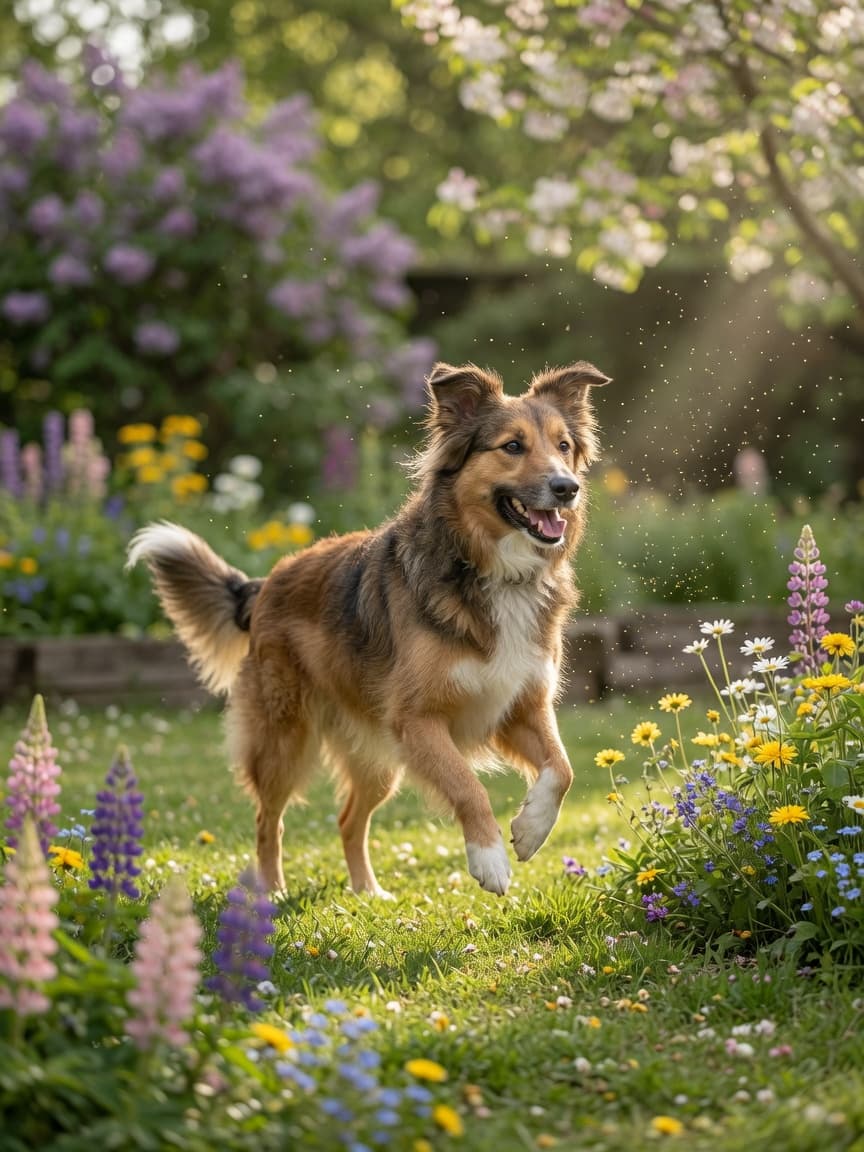
{"en": "Happy dogs playing outdoors in spring sunshine, representing various breeds and roles including family pets and working dogs", "es": "Perros felices jugando al aire libre bajo el sol primaveral, representando varias razas y funciones incluyendo mascotas familiares", "fr": "Chiens heureux jouant dehors au soleil du printemps, repr\u00e9sentant diverses races et r\u00f4les incluant les animaux de compagnie familiale", "de": "Gl\u00fcckliche Hunde spielen im Fr\u00fchlingssonnenschein drau\u00dfen und vertreten verschiedene Rassen und Rollen wie Familienhunde", "nl": "Gelukkige honden spelen buiten in het lentezonneschijn, representeren verschillende rassen en rollen inclusief gezinshonden", "pt": "C\u00e3es felizes brincando ao ar livre sob o sol da primavera, representando v\u00e1rias ra\u00e7as e fun\u00e7\u00f5es incluindo animais de estima\u00e7\u00e3o familiares", "it": "Cani felici che giocano all'aperto nella luce solare primaverile, rappresentando varie razze e ruoli inclusi gli animali domestici familiari"}

Spring brings renewed energy to our households, and for dog owners across Europe, it's the perfect season to reassess our canine companions' health and wellbeing. Whether your dog is a spirited working breed, a gentle family pet, or an assistance dog, the warmer months present unique opportunities and challenges for maintaining optimal health. This spring spotlight examines the seasonal considerations that matter most for our four-legged friends and how you can ensure they thrive during this vibrant time of year.

Spring Allergies and Skin Health
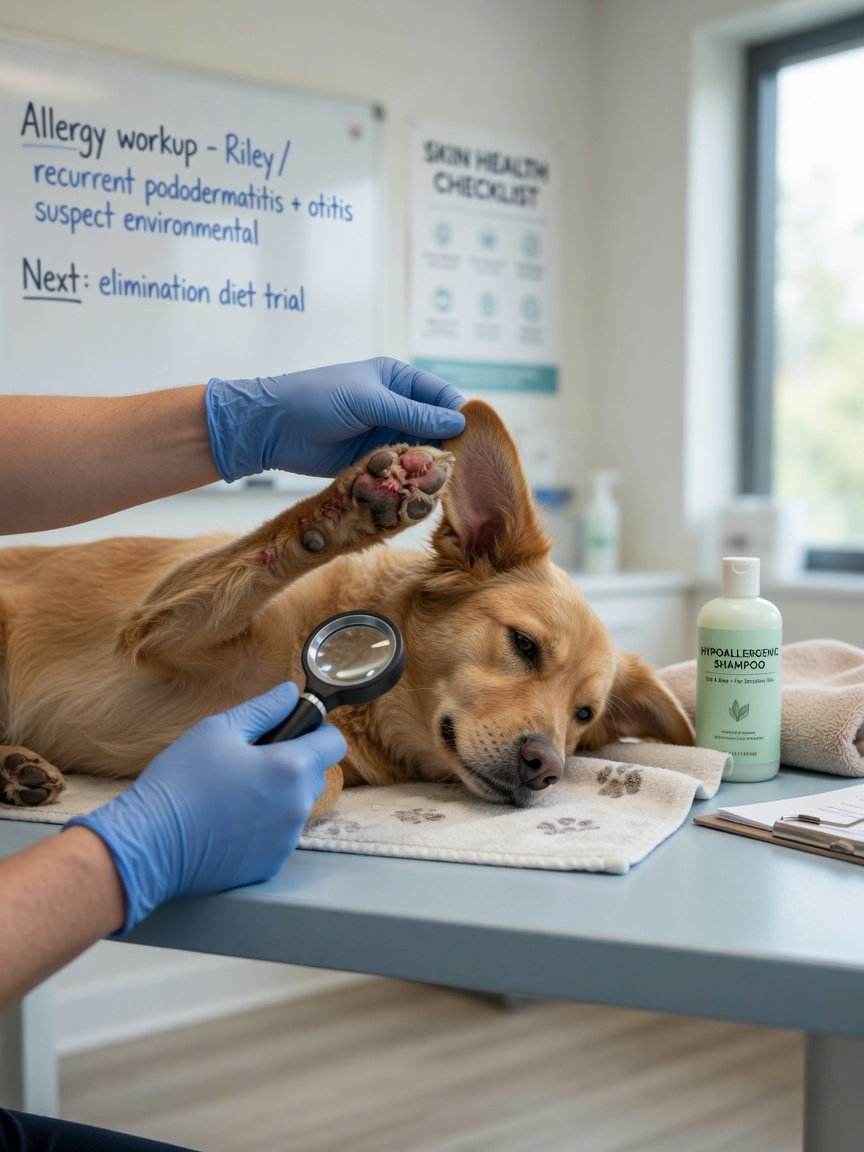
Veterinarian examining a dog's irritated paw and ear during spring allergy assessment with hypoallergenic shampoo nearby

As plants bloom and pollen counts rise, many dogs experience seasonal allergies that can cause discomfort and skin irritation. Spring allergies in dogs often manifest as itching, excessive licking, and redness—particularly around the paws, face, and ears.

  • Monitor your dog's scratching behaviour closely and note any patterns
  • Bathe your dog weekly with a gentle, hypoallergenic shampoo to remove pollen from their coat
  • Wipe paws after outdoor walks to minimise allergen transfer indoors
  • Ensure your dog has a balanced diet rich in omega-3 fatty acids to support skin health
  • Consult your veterinarian if itching persists beyond two weeks

If your dog suffers from severe allergies, your vet may recommend antihistamines or other treatments to manage symptoms effectively.

Parasite Prevention and Tick Awareness
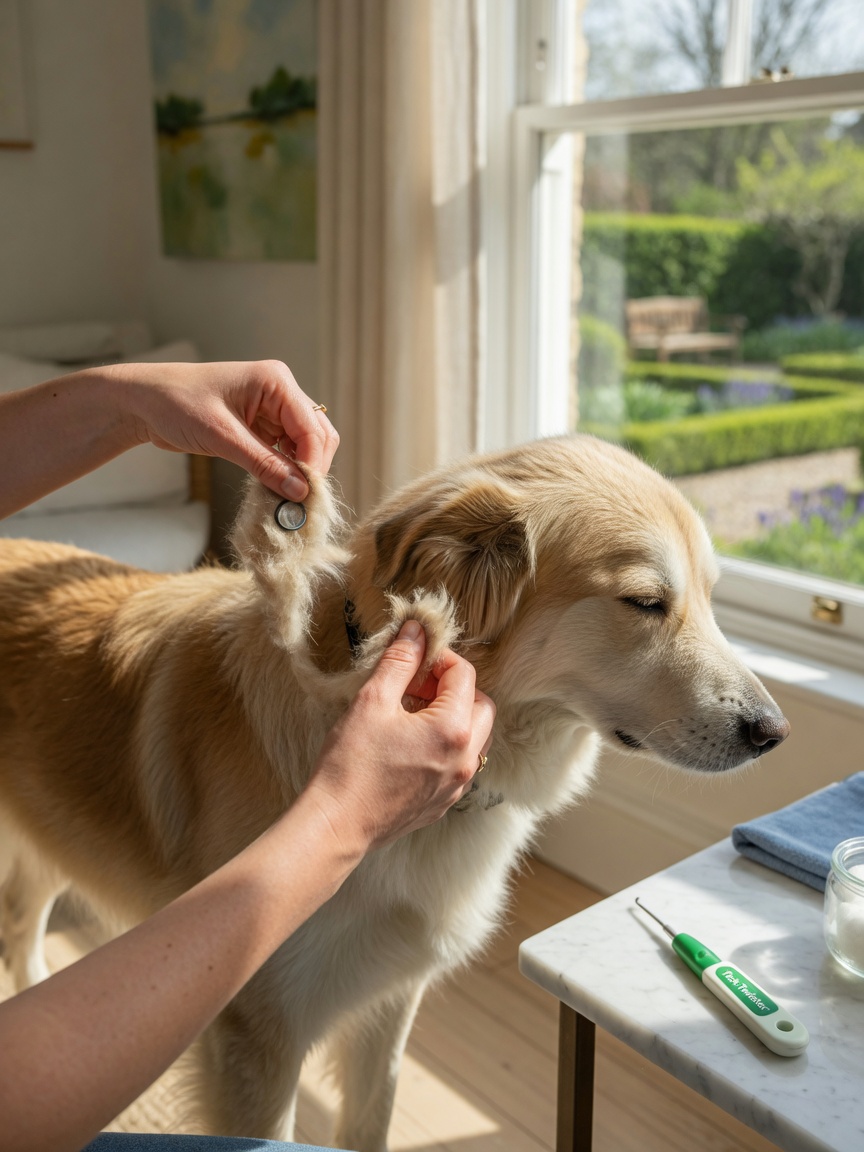
Owner carefully inspecting a dog's coat for ticks during spring parasite prevention check with warm sunlight coming through window

Spring warmth creates ideal conditions for fleas, ticks, and other parasites. This is the critical season to establish robust prevention strategies.

Tick season typically peaks in spring and autumn across Europe, and ticks can transmit serious diseases such as Lyme disease and babesiosis. Start or maintain your parasite prevention programme now, whether using spot-on treatments, oral medications, or collars. Remember to:

  • Check your dog's entire body daily for ticks, paying special attention to warm, moist areas
  • Use proper tick removal techniques—never squeeze the tick body
  • Keep your garden tidy by removing leaf litter and long grass where ticks hide
  • Continue prevention treatments year-round for maximum protection

Exercise and Weight Management

Spring's pleasant weather is ideal for increasing your dog's activity levels after winter months. However, it's important to build exercise gradually to prevent injury, especially in senior dogs or those with joint concerns.

Aim for age-appropriate activity levels: puppies need short, frequent play sessions, adult dogs typically require 30-60 minutes of moderate exercise daily, and senior dogs benefit from gentle, regular movement. Spring is also an excellent time to assess your dog's weight. Excess weight strains joints and increases disease risk, particularly in breeds prone to hip dysplasia.

Nutrition Adjustments for Spring

As your dog becomes more active, their nutritional needs may shift. Ensure their diet provides adequate protein for muscle maintenance and development. If your dog spends significantly more time outdoors during spring, they may require slightly more calories to sustain increased activity levels.

Always introduce dietary changes gradually over 7-10 days to avoid digestive upset. Fresh water should be available constantly, especially during warmer days and after exercise.

Seasonal Grooming and Coat Care

Spring shedding can be substantial as dogs transition their winter coats. Regular brushing removes loose hair, stimulates skin circulation, and allows you to spot any concerning changes early.

  • Brush your dog 3-4 times weekly during heavy shedding periods
  • Bathe your dog every 4-6 weeks using warm—not hot—water
  • Consider professional grooming for thorough seasonal coat management
  • Trim nails regularly, as softer spring soil may reduce natural wear

Spring Health Check Summary

This spring, prioritise a veterinary check-up to discuss seasonal health concerns specific to your dog. Use this season as a reset button for preventative care—update parasite treatments, assess weight and fitness levels, monitor allergies, and refresh grooming routines. By taking these proactive steps now, you'll help your canine partner enjoy a healthy, happy spring season filled with outdoor adventures and quality time together.

#canine partners spotlight spring 2021#forpetshealthcare

Sources & further reading

This article is based on peer-reviewed veterinary research and reputable animal-health sources. Explore the underlying science in our Research Library.

Related articles

The 19 Best Animal Shelters in the Netherlands (2026)

the Netherlands's animal shelters, rescue associations and refuges save thousands of dogs, cats and other animals every year, almost always on tiny budgets and volunteer power. To build the most objective ranking possible, we analysed public Google reviews across more than 56 registered animal-prote…

Read more →

The 25 Best Animal Shelters in Italy (2026)

Italy's animal shelters, rescue associations and refuges save thousands of dogs, cats and other animals every year, almost always on tiny budgets and volunteer power. To build the most objective ranking possible, we analysed public Google reviews across more than 121 registered animal-protection org…

Read more →

The 48 Best Animal Shelters in Germany (2026)

Germany's animal shelters, rescue associations and refuges save thousands of dogs, cats and other animals every year, almost always on tiny budgets and volunteer power. To build the most objective ranking possible, we analysed public Google reviews across more than 152 registered animal-protection o…

Read more →

The 32 Best Animal Shelters in France (2026)

France's animal shelters, rescue associations and refuges save thousands of dogs, cats and other animals every year, almost always on tiny budgets and volunteer power. To build the most objective ranking possible, we analysed public Google reviews across more than 89 registered animal-protection org…

Read more →

The 8 Best Animal Shelters in Portugal (2026)

Portugal's animal shelters, rescue associations and municipal centros de recolha save thousands of dogs, cats and other animals every year, almost always on tiny budgets and volunteer power. To build the most objective ranking possible, we analysed public Google reviews across more than 86 registere…

Read more →

Sphynx Cat Skin care and hygiene: Causes, Signs & Care

Sphynx cats have little to no coat, which means the skin itself takes on jobs that fur normally does — insulation, oil dispersal, and barrier protection — leaving it prone to greasiness, blocked pores, fungal infections, and sunburn. The single most important thing to know is that a Sphynx's skin ne…

Read more →
Disclaimer:This article is for informational purposes only and does not constitute veterinary advice. Always consult a qualified veterinarian for your pet's health concerns.

Free newsletter

Pet health tips, straight to your inbox

Weekly science-backed advice for dog & cat owners. No spam, unsubscribe anytime.