
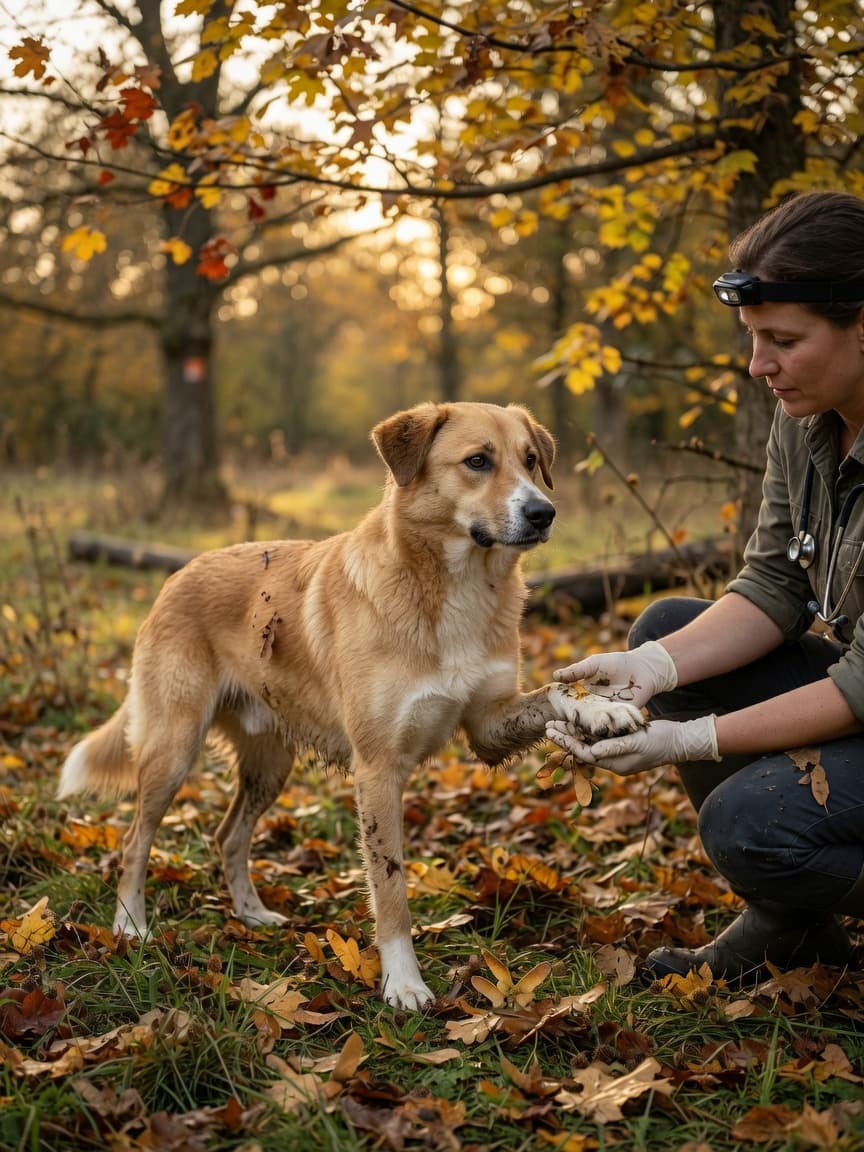
As the autumn months settle in across Europe, many dog owners find themselves preparing their canine companions for the seasonal changes ahead. Whether you're welcoming a new puppy into your family, supporting an ageing dog through their golden years, or managing a working canine partner, understanding the unique health considerations of autumn is essential. This autumn spotlight focuses on the most important health and wellness topics for dog owners, offering practical guidance to keep your four-legged friend thriving throughout the season.
Seasonal Health Risks and Prevention
Autumn brings with it several health challenges that dog owners should be aware of. The cooler, damper weather creates ideal conditions for certain parasites and fungi to flourish, whilst harvest time introduces new hazards.
- Increased parasite activity: Whilst many owners think parasites diminish in autumn, autumn weather actually extends the season for ticks and fleas in many parts of Europe. Continue preventative treatments as prescribed by your veterinary surgeon.
- Fungal infections: Damp conditions favour the growth of fungi like Malassezia. Keep your dog's paws and ears thoroughly dry after walks, especially in wet grass or muddy areas.
- Harvest hazards: Stubble fields, corn cobs, and seeds can cause injuries to paws and mouths. Inspect your dog's paws regularly after countryside walks.
- Intestinal parasites: Autumn is prime time for certain worms. Ensure your dog remains on their regular worming schedule.
Nutrition for Autumn and Winter Preparation
As temperatures drop, your dog's nutritional needs may shift. Dogs spending more time outdoors in cooler weather may require additional calories to maintain body temperature. Consider these nutritional adjustments:
- Discuss with your veterinary surgeon whether increasing protein intake would benefit your dog
- Ensure adequate omega-3 and omega-6 fatty acids to support skin and coat health during drier months
- Maintain consistent feeding schedules to support digestive health
- Provide fresh water constantly, as dogs are less likely to drink in cooler weather
Joint Health and Exercise Considerations
Autumn's cooler temperatures can exacerbate joint stiffness, particularly in older dogs or those prone to arthritis. Additionally, wet leaf coverage can hide hazards whilst fallen branches pose injury risks during off-lead exercise.
- Allow gentle warm-up periods before exercise to increase flexibility
- Consider shorter, more frequent walks rather than one long outing
- Monitor your dog carefully on wet surfaces to prevent slips and strains
- Maintain joint-supporting supplements as recommended by your vet
- Provide cosy resting areas with orthopedic support indoors
Preparation for Working and Sporting Dogs
Autumn often marks the beginning of hunting season and increased activity for working dog breeds. These partners require specific preparation to perform safely and maintain excellent health standards.
- Ensure vaccinations are current, particularly against leptospirosis, which spreads through water sources
- Begin fitness conditioning gradually several weeks before peak activity season
- Establish regular health checks with your veterinary surgeon to monitor for early signs of strain or injury
- Maintain parasite prevention religiously for dogs spending extended time outdoors
Coat and Skin Care During Seasonal Transition
Many dogs begin their winter coat growth in autumn. This transition period requires attentive grooming and skin care to prevent matting and maintain skin health.
- Increase grooming frequency to remove loose undercoat
- Use appropriate shampoos suited to your dog's coat type
- Dry your dog thoroughly after exposure to damp conditions
- Watch for signs of allergies, which sometimes intensify with environmental changes
Key Takeaways for Autumn Wellness
Protecting your canine partner through autumn requires a proactive, multi-faceted approach. Continue preventative parasite treatments, adjust nutrition appropriately for seasonal changes, modify exercise to accommodate cooler temperatures, and prioritise regular veterinary check-ups. By addressing these seasonal considerations now, you'll help ensure your dog remains healthy, comfortable, and ready to enjoy whatever the coming months bring. Remember, every dog is unique—consult your veterinary surgeon about specific recommendations tailored to your dog's age, breed, health status, and lifestyle.