
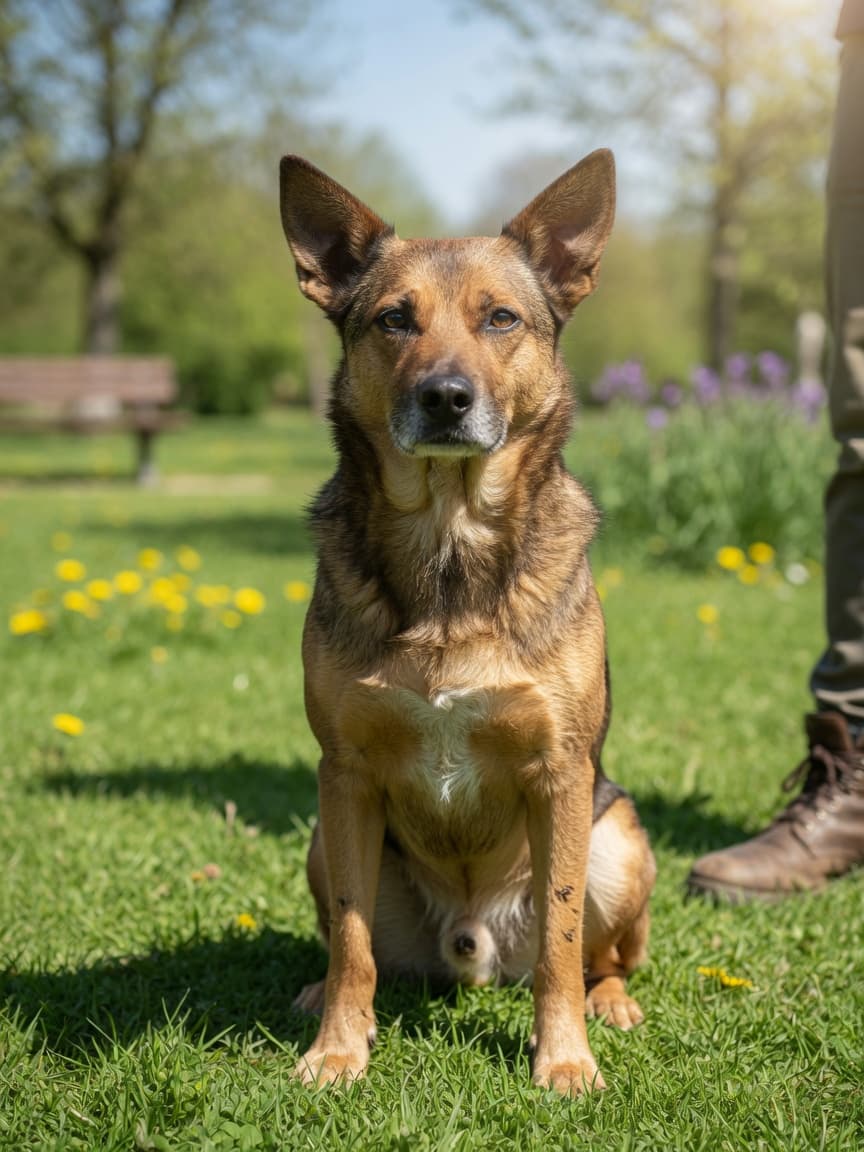
Does your dog have impeccable manners? The Canine Good Citizen (CGC) test is an internationally recognised certification programme that evaluates your dog's behaviour and obedience. Whether you're aiming to prove your dog's temperament for insurance purposes, shelter adoption, or simply want to demonstrate responsible pet ownership, understanding what the test entails is the first step towards success. This guide will walk you through the requirements, training tips, and answer your most pressing questions about this valuable certification.
What Is the Canine Good Citizen Test?
The CGC test is a standardised assessment designed by the American Kennel Club (AKC) and adopted by kennel clubs worldwide, including the UK. It evaluates whether dogs can behave appropriately in public settings and respond reliably to their handlers. The certification demonstrates that your dog is well-socialised, trained, and trustworthy—qualities that benefit both your pet and your community.
The test is open to dogs of all ages, breeds, and mixed breeds. Even rescue dogs can earn certification, making it an inclusive programme for responsible dog owners everywhere.
The 10 Test Items: What Your Dog Must Demonstrate
- Accepting a friendly stranger: Your dog must remain calm whilst a stranger approaches and shakes your hand.
- Sitting politely for petting: Your dog sits whilst a stranger pets their head and body.
- Appearance and grooming: Your dog tolerates grooming tools, ear inspection, and paw handling.
- Out for a walk: Your dog walks on a loose lead, demonstrating controlled movement and responsiveness.
- Walking through a crowd: Your dog navigates confidently amongst pedestrians without jumping or pulling.
- Sit and down on command: Your dog responds promptly to basic obedience commands.
- Stay in place: Your dog remains in a sit or down position whilst you walk away.
- Coming when called: Your dog returns immediately when you call them, even from a short distance.
- Reaction to another dog: Your dog behaves politely when meeting another dog on lead.
- Reaction to distractions: Your dog remains calm when exposed to everyday sounds (dropped objects, sudden noises).
Training Your Dog for Success
Begin training at least 3–4 months before your test date. Focus on:
- Loose-lead walking in various environments—parks, town centres, busy streets
- Reliable sit, down, and stay commands with increasing distractions
- Recall training in open spaces with gradual increases in distance and distraction
- Socialisation with diverse people, dogs, and environments
- Desensitisation to common noises and unexpected events
- Grooming tolerance and handling of sensitive areas
Consider enrolling in a formal training class specifically designed for CGC preparation. A qualified trainer can identify weaknesses and provide tailored guidance.
Frequently Asked Questions
Can my rescue dog take the test?
Yes. Mixed breeds and rescue dogs are welcome. There's no breed or age restriction, though puppies should ideally be at least 12 months old.
What happens if my dog fails?
Most test providers allow retakes. Failing is an opportunity to identify areas needing improvement and continue training before attempting again.
Do I need professional training?
Professional guidance is helpful but not mandatory. Many owners successfully prepare their dogs through consistent practice at home.
How long is the certification valid?
CGC certification typically remains valid indefinitely, though some organisations may request renewal documentation.
Key Takeaways
The Canine Good Citizen test represents a genuine commitment to responsible dog ownership. By working towards certification, you're investing time in your dog's behaviour and wellbeing whilst contributing to positive public perception of dog owners. Start training early, remain patient, and celebrate small improvements. Whether your dog passes on the first attempt or requires additional work, the journey builds a stronger bond between you and your canine companion. Good luck!