
Most dog owners want to provide enrichment for their pets, yet busy schedules, limited space, and budget constraints often make it seem impossible. The truth is that meaningful enrichment doesn't require expensive toys, expansive gardens, or hours of free time. Real-world enrichment is about understanding what naturally motivates your dog and building simple, sustainable practices into your daily routine. This guide explores practical enrichment strategies that actually work for modern dog owners.
Why Enrichment Matters More Than You Think
Enrichment isn't a luxury—it's essential for your dog's mental and physical wellbeing. Dogs left without stimulation often develop behavioural problems including destructiveness, excessive barking, and anxiety. Research shows that enriched environments reduce stress hormones, improve cognitive function, and strengthen the human-animal bond. The good news? Even small, consistent efforts make a measurable difference.
Food-Based Enrichment: Nature's Most Effective Tool

Dogs are motivated primarily by food, making feeding time your most powerful enrichment opportunity. Rather than serving meals in a bowl, use mealtimes to provide mental stimulation.
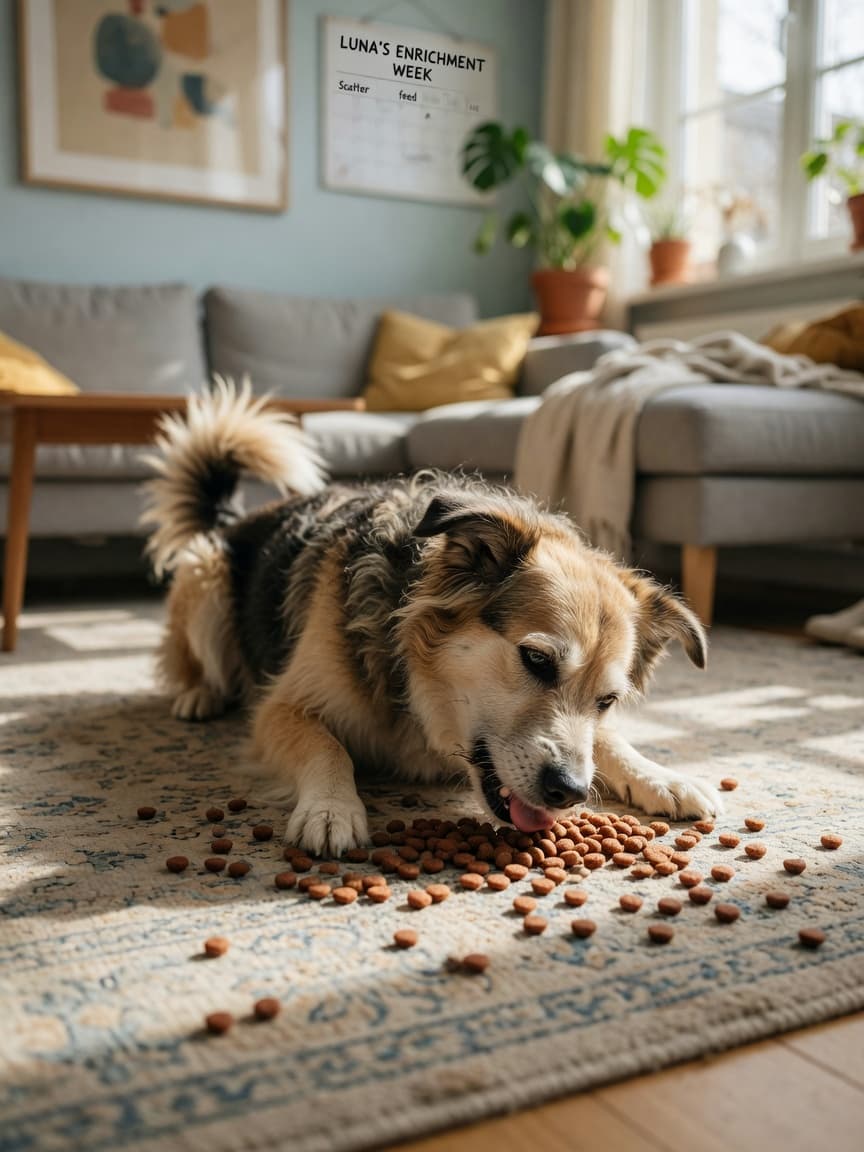
- Scatter feeding: Toss kibble across your garden or living room floor, forcing your dog to forage naturally
- Puzzle feeders: Invest in affordable puzzle toys that dispense food as your dog manipulates them
- DIY enrichment: Freeze wet food in an ice cube tray or stuff a cardboard egg carton with treats
- Sniff walks: Let your dog lead during walks, sniffing every tree and lamp post—this is genuine enrichment
- Treat-stuffed toys: Freeze plain yoghurt or peanut butter in rubber toys for extended engagement
Environmental and Sensory Enrichment
Your dog experiences the world primarily through smell, sound, and touch. Varying their sensory environment doesn't require money or space.
- Rotate toys weekly to maintain novelty and interest
- Create "sniff boxes" by hiding treats in boxes filled with newspaper or cardboard
- Play dog-specific music or podcasts during the day to provide auditory stimulation
- Introduce safe household items like clean blankets, cardboard boxes, and paper bags for exploration
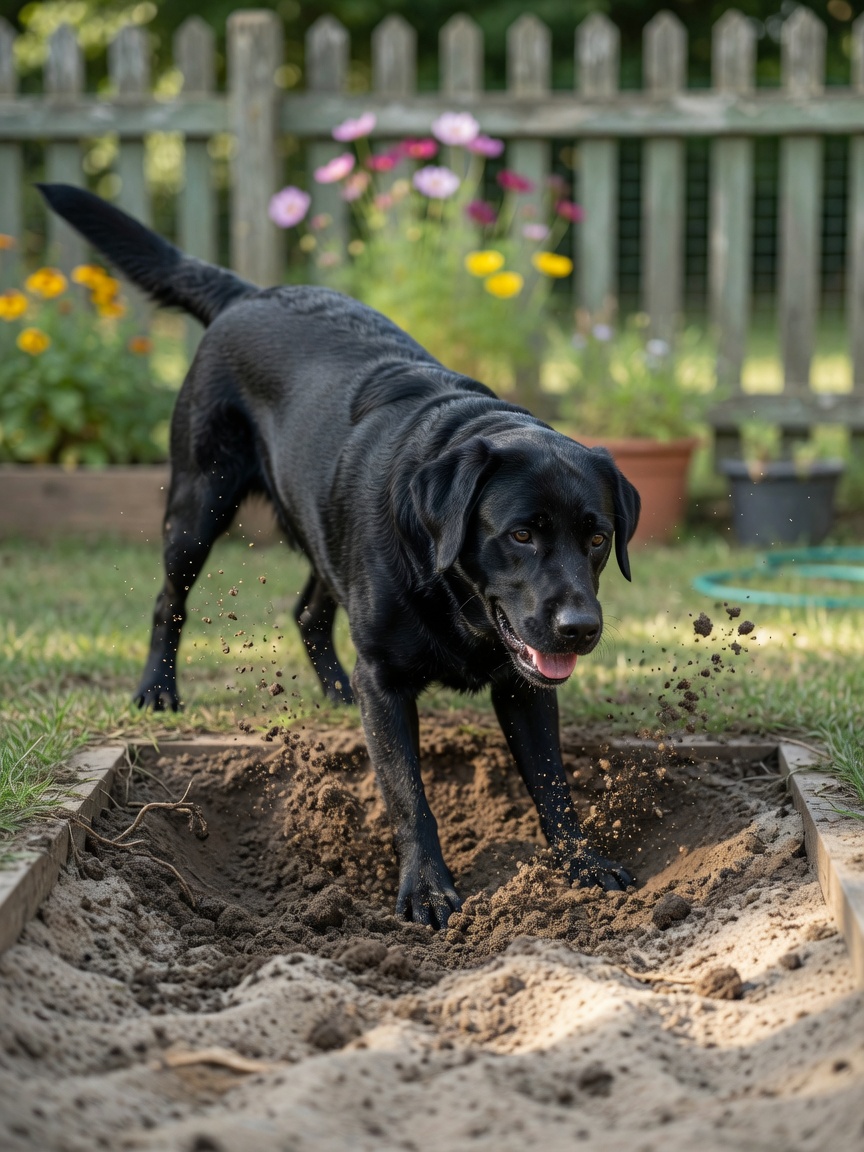
- Set up a digging area using a sandpit or dedicated corner filled with soil where digging is permitted
Social and Interactive Enrichment
Dogs are social creatures, and interaction with humans and other dogs provides crucial enrichment. You don't need expensive training classes or day care to provide this.
- Practice short training sessions (5-10 minutes) daily using positive reinforcement
- Arrange regular playdates with known, compatible dogs
- Teach new commands or tricks to maintain mental stimulation
- Play tug-of-war, fetch, or chase games—these satisfy natural drives
- Vary your walking routes to provide new social experiences
Physical Exercise: Balance Is Key
Whilst exercise is important, it's not a substitute for true enrichment. A long run doesn't engage a dog's mind the way a sniff walk does. Combine moderate physical activity with mental challenges for optimal wellbeing.
Creating Your Enrichment Plan
Start by identifying your dog's natural motivations: do they love food, play, scent work, or social interaction? Build a sustainable weekly routine incorporating different enrichment types. Most importantly, consistency matters more than complexity.
Key takeaways: Real enrichment is achievable within normal life constraints. Use meals as primary enrichment opportunities, vary sensory experiences regularly, maintain social interaction, and remember that mental stimulation often matters more than physical exhaustion. Your dog doesn't need luxury—they need engagement that respects their nature.