
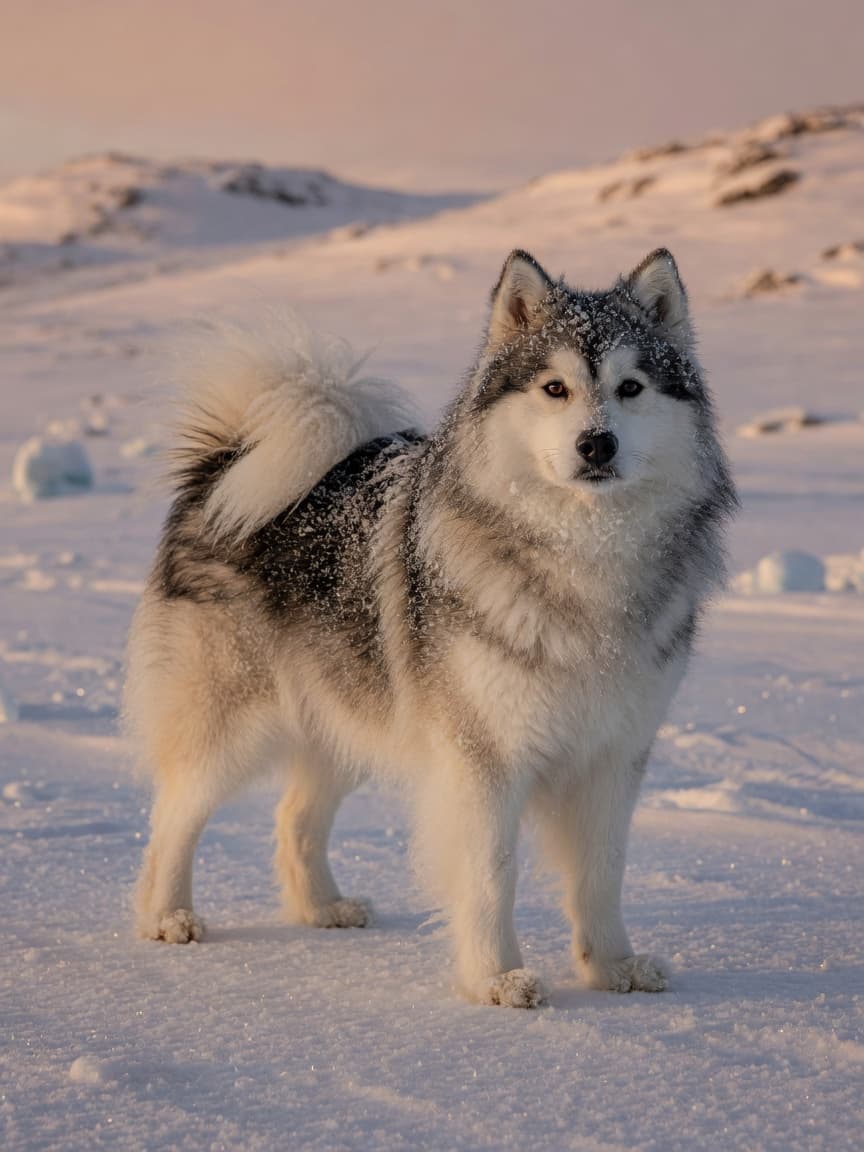
The Canadian Eskimo Dog, also known as the Inuit Dog or Canadian Inuit Dog, is one of Canada's rarest and most remarkable dog breeds. Originally developed by the Inuit peoples of the Canadian Arctic, these powerful working dogs have captivated the hearts of dog enthusiasts worldwide. With their distinctive wolf-like appearance, impressive strength, and unwavering loyalty, Canadian Eskimo Dogs represent a living link to Arctic heritage. However, they're not suited to every household. This comprehensive guide will help you understand whether this extraordinary breed is right for your family and how to provide the best possible care.
Breed History and Origins
Canadian Eskimo Dogs have inhabited the Arctic regions for over 1,000 years, serving the Inuit people as indispensable working partners. These dogs were bred to survive in one of the world's harshest environments, pulling heavy sleds across frozen tundra and helping hunters track seal and other game. Their development was entirely practical—only the strongest, most intelligent dogs capable of enduring extreme cold and starvation would survive and breed. This rigorous natural selection created a breed of exceptional resilience and independence.
Unfortunately, the introduction of snowmobiles and changing lifestyles in the mid-20th century led to a dramatic decline in the breed's population. By the 1970s, fewer than 200 Canadian Eskimo Dogs remained. International breeding efforts and dedicated enthusiasts have since worked to preserve this heritage breed, though it remains critically endangered with only around 300 registered dogs today.
Physical Characteristics and Appearance
Canadian Eskimo Dogs are large, muscular dogs typically weighing 30–40 kg and standing 50–65 cm tall at the shoulder. Males are generally larger and more powerfully built than females. Their double coat is thick and weather-resistant, ranging in colour from white and cream to grey, red, and black, often in striking combinations.
Key physical traits include:
- Almond-shaped eyes, typically dark brown or amber
- Triangular, erect ears positioned high on the head
- A long, heavily plumed tail carried over the back
- Strong, straight legs built for endurance
- A deep chest and well-developed musculature
- A coat that sheds considerably, particularly during seasonal changes
Temperament and Behaviour
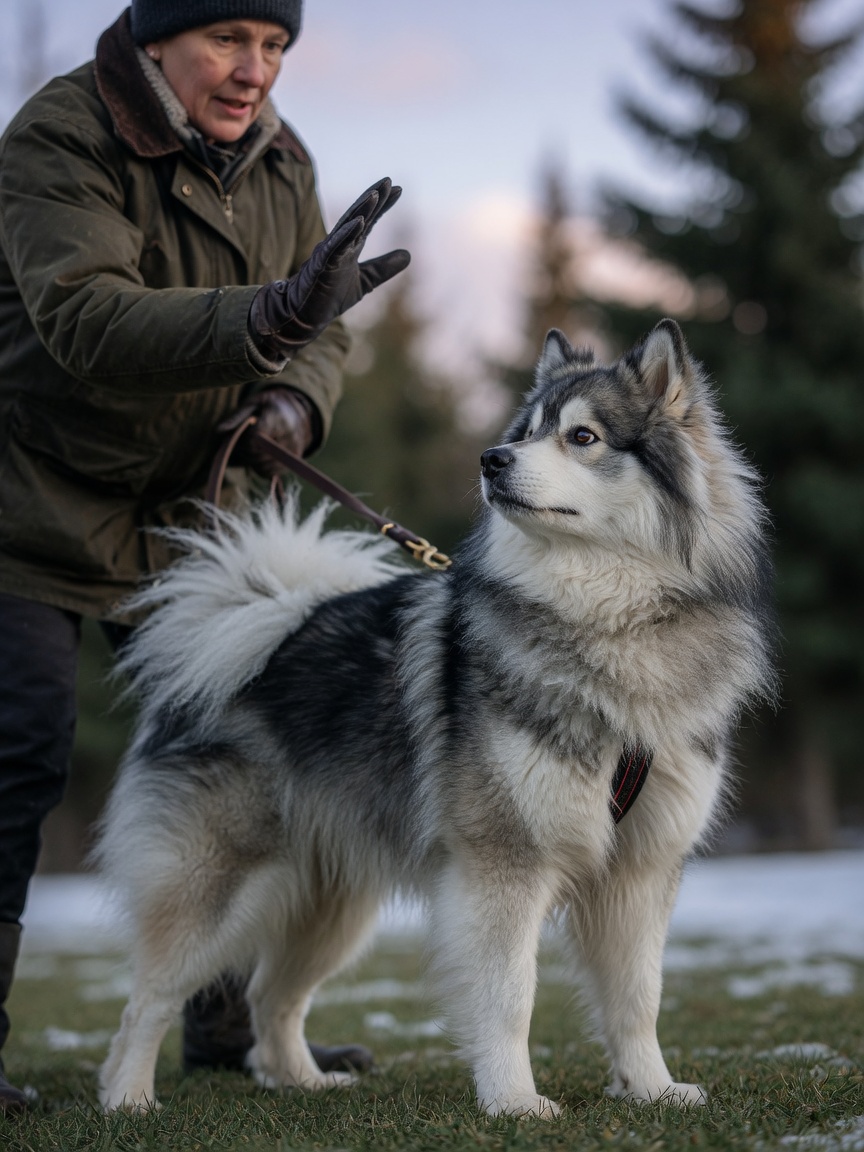
Canadian Eskimo Dogs possess strong working drive and pack instincts inherited from their Arctic ancestors. They are intelligent, independent thinkers bred to make decisions in life-or-death situations. This independence can translate to stubbornness; they respond best to experienced handlers who understand their heritage.
These dogs are typically:
- Loyal and affectionate with their family
- Playful and energetic with excellent stamina
- Protective of their territory and loved ones
- Strong-willed and requiring consistent, firm leadership
- Potentially aggressive toward other dogs, particularly same-sex rivals
Canadian Eskimo Dogs are not suitable for homes with young children or inexperienced dog owners. Their size, strength, and prey drive require careful management and socialisation from puppyhood.
Exercise and Activity Requirements
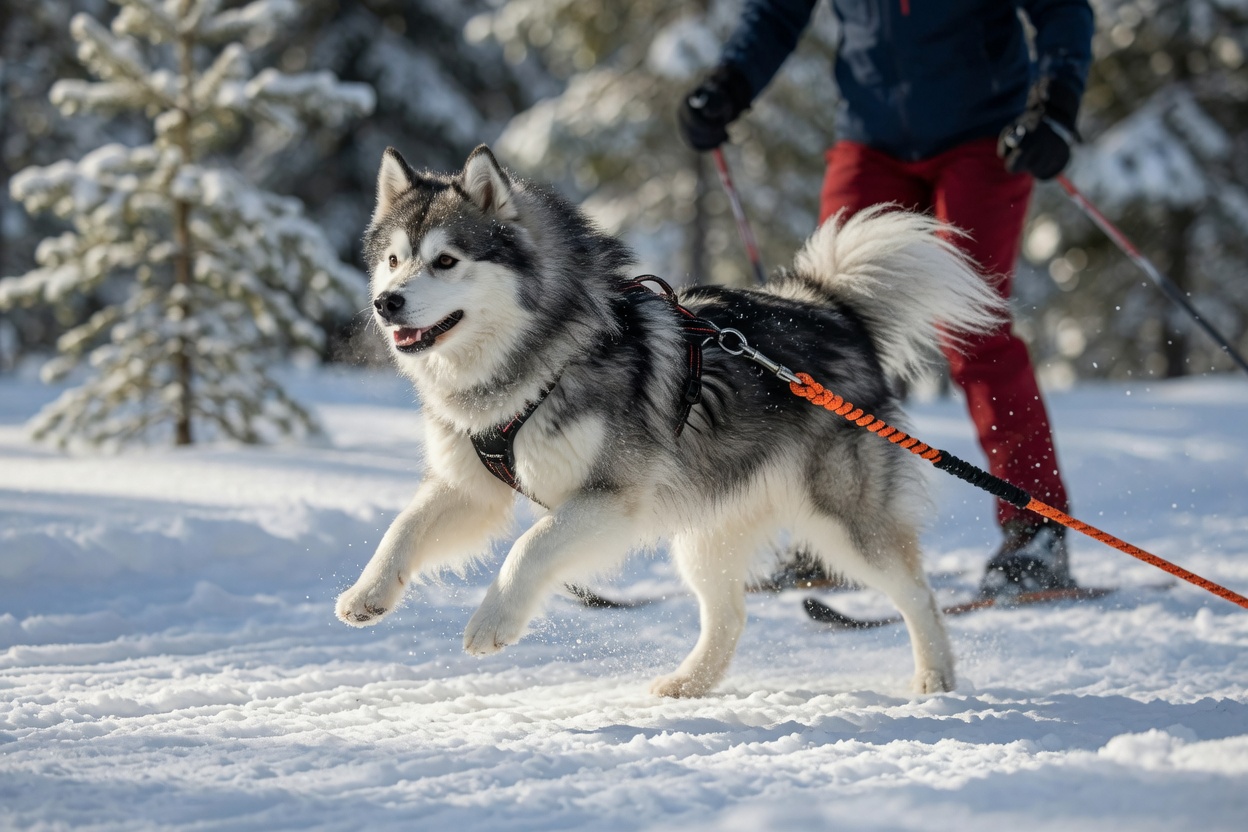
These working dogs have substantial exercise needs. They require a minimum of two hours of vigorous daily activity, including running, hiking, or ideally, pulling activities such as sledding or skijoring. Without adequate outlet for their energy and drive, they can become destructive and develop behavioural problems.
Suitable activities include:
- Long-distance running or hiking in cool climates
- Sledding or skijoring during winter months
- Agility and obedience training
- Large, securely fenced properties where they can run freely
Health Considerations and Care
Canadian Eskimo Dogs are generally robust, with few breed-specific health conditions. Their Arctic heritage has provided strong genetic health. However, responsible breeders screen for hip dysplasia and eye conditions such as cataracts.
Essential care includes:
- Regular brushing (several times weekly) to manage shedding and maintain coat health
- Professional grooming during seasonal coat changes
- Dental care and regular veterinary check-ups
- A high-quality diet appropriate for their size and activity level
- Protection from extreme heat, as their thick coat makes them prone to overheating
Key Takeaways
Canadian Eskimo Dogs are extraordinary animals with remarkable heritage and compelling personalities. They thrive in active households with experienced owners capable of providing strong leadership, extensive exercise, and secure containment. These rare dogs are not pets for everyone, but for the right family—particularly those in cool climates with outdoor interests—they offer unparalleled loyalty, intelligence, and connection to Arctic tradition. If you're considering this breed, connect with breed clubs and rescue organisations to ensure you're making an informed decision.