
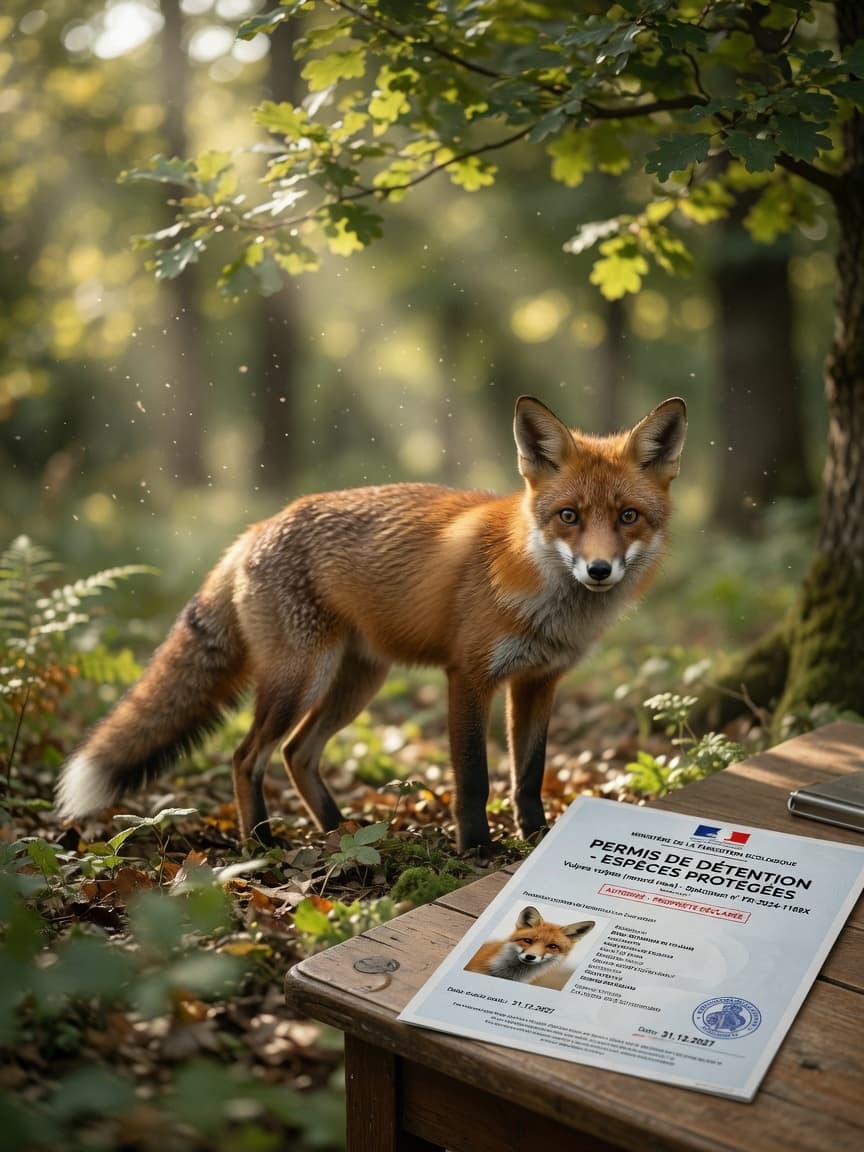
The idea of keeping a pet fox captures the imagination of many animal lovers—they're strikingly beautiful, intelligent, and undeniably charismatic. However, before you consider welcoming a fox into your home, it's essential to understand the complex legal landscape surrounding fox ownership in the United States. Unlike dogs and cats, foxes are wild animals with specific legal protections, and the regulations vary dramatically from state to state. This comprehensive guide will help you navigate the legal requirements and practical considerations of fox ownership in America.
Federal Laws and Initial Restrictions
At the federal level, the United States does not have a blanket ban on fox ownership, but several federal regulations make ownership complicated. The Convention on International Trade in Endangered Species (CITES) and the Lacey Act restrict trade and transport of certain species across state lines. Most importantly, foxes are classified as wild animals under wildlife management laws, meaning individual states hold the primary authority to permit or prohibit ownership.
Additionally, if you're considering a non-native fox species (such as Russian foxes), you'll need to comply with even stricter regulations due to invasive species concerns.
States Where Fox Ownership Is Legal
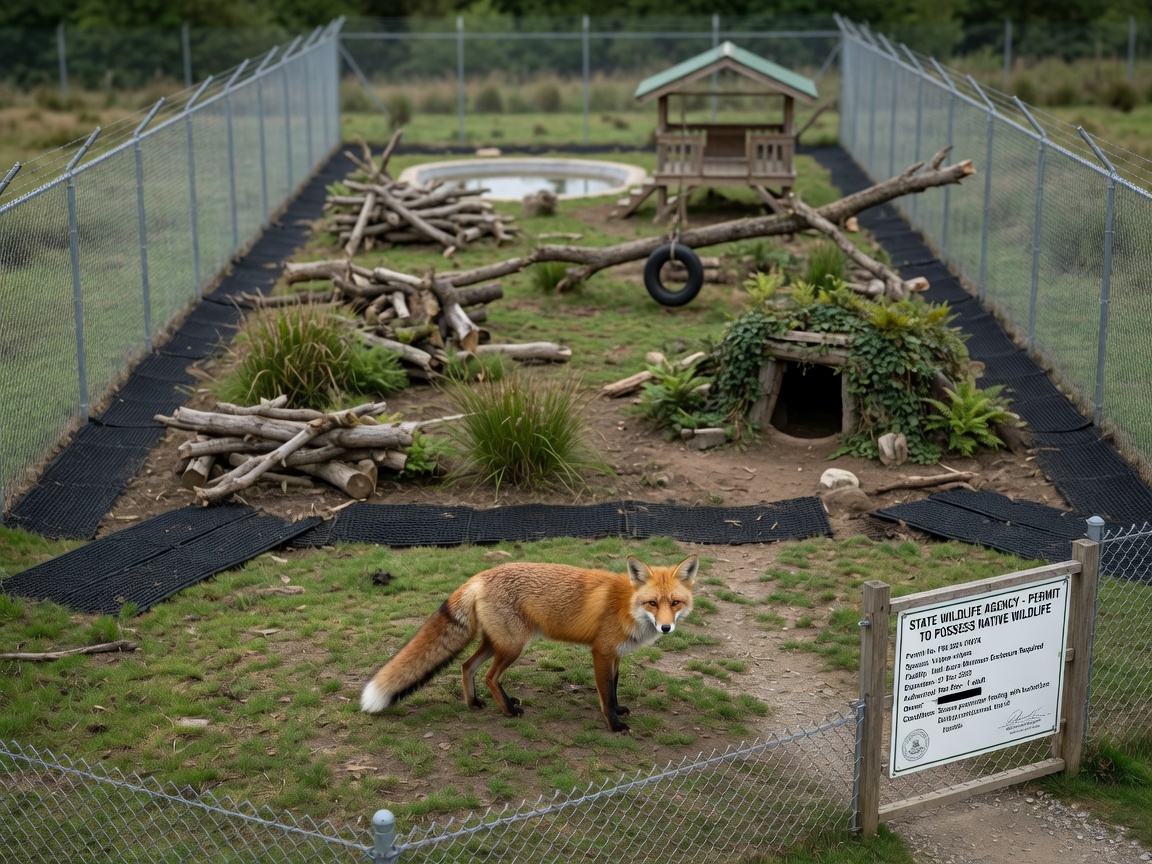
Only a handful of US states permit fox ownership under specific conditions:
- Arkansas: Allows fox ownership with a wildlife permit
- Florida: Permits fox ownership but requires specific permits and housing standards
- Indiana: Allows foxes bred in captivity with proper documentation
- Michigan: Permits fox ownership with a wildlife permit
- Missouri: Allows foxes with appropriate permits
- Ohio: Permits ownership of certain fox species with permits
- Oklahoma: Allows fox ownership under regulated conditions
- Oregon: Permits some fox species with proper licensing
- South Dakota: Allows fox ownership with permits
- Texas: Generally permits fox ownership on private land
Even in these states, ownership typically requires specific permits, proof of captive breeding, proper enclosures, and regular inspections.
States Where Fox Ownership Is Prohibited
The majority of US states classify foxes as wildlife and prohibit private ownership entirely. This includes most populated states such as California, New York, Illinois, and Pennsylvania. Violations can result in significant fines (often £500–£5,000 or more) and potential confiscation of the animal.
Essential Requirements for Legal Fox Ownership
If you live in a state where fox ownership is permitted, expect to meet rigorous requirements:
- Wildlife Permits: Obtain specific permits from your state's Fish and Wildlife department
- Proof of Captive Breeding: Most states require documentation that your fox was bred in captivity, not wild-caught
- Secure Enclosures: Foxes require substantial outdoor enclosures (typically at least 1/2 acre) with secure fencing reaching 6 feet high and buried underground
- Veterinary Care: Access to veterinarians experienced with exotic animals
- Regular Inspections: Permit compliance checks by wildlife officials
- Liability Insurance: Many jurisdictions require proof of liability coverage
Practical Challenges of Fox Ownership
Beyond legality, keeping a fox presents significant practical challenges. Foxes retain wild instincts regardless of captive breeding—they're escape artists prone to destructive behaviour, have a distinctive musky odour, and may display aggression unpredictably. They're not domesticated like dogs; they require specialised diets, enrichment, and veterinary care that can be expensive and difficult to access.
Key Takeaways
Before considering fox ownership in the United States, research your specific state and local regulations thoroughly. Contact your state's Fish and Wildlife department directly to confirm current laws. Remember that legality is just one consideration—foxes are wild animals with complex needs. If you're drawn to fox-like characteristics, consider dog breeds such as huskies or malamutes, which offer similar appeal with domestication advantages. For most UK and European readers familiar with stricter wildlife protections, the American approach may seem surprisingly permissive, yet the reality is that responsible fox ownership remains challenging and restricted in most regions.