
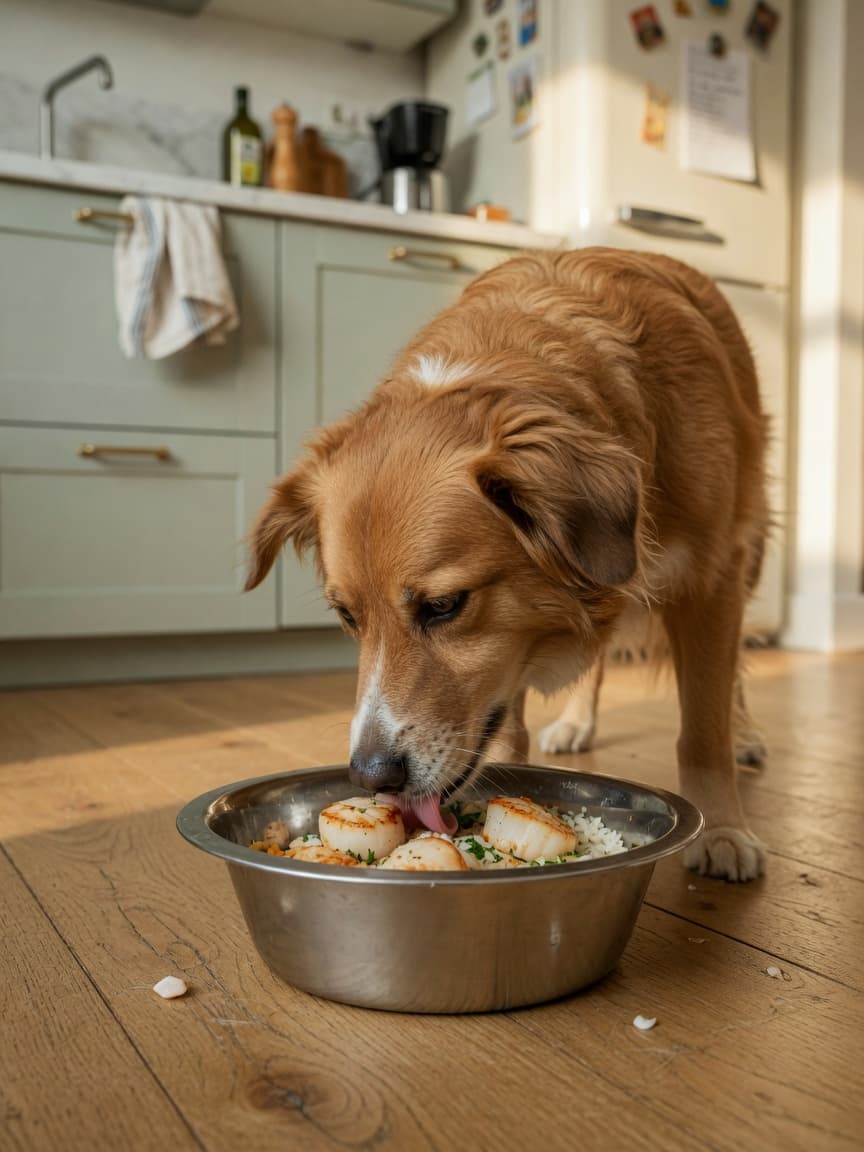
Many dog owners wonder whether they can share their seafood dinners with their four-legged companions, and scallops are a common question. The good news is that yes, dogs can safely eat scallops in moderation, provided they are prepared correctly and given as an occasional treat. Unlike some shellfish that pose toxicity risks, scallops offer genuine nutritional benefits when sourced and prepared with care. This comprehensive guide explores everything you need to know about feeding scallops to your dog, from portion sizes to potential risks.
Nutritional Benefits of Scallops for Dogs
Scallops are nutrient-dense molluscs that can contribute positively to your dog's diet when offered appropriately. They contain:
- High-quality protein: Essential for muscle development and maintenance
- Omega-3 fatty acids: Support joint health, skin condition, and cognitive function
- Selenium: A powerful antioxidant that supports immune function
- Vitamin B12: Crucial for energy metabolism and nervous system health
- Zinc: Important for immune response and wound healing
These nutrients make scallops a genuinely wholesome protein source, more nutritionally complete than some other shellfish options.
How to Safely Prepare Scallops for Dogs
Preparation is absolutely critical. Raw scallops carry bacterial risks including Vibrio and Listeria, which can cause serious gastrointestinal upset in dogs. Follow these guidelines:
- Cook thoroughly: Boil or steam scallops until fully cooked, typically 4-5 minutes
- Avoid seasonings: Never add salt, garlic, onion, or spices—these are harmful to dogs
- Remove completely: Check for any shell fragments before serving
- Cool adequately: Allow cooked scallops to cool to room temperature
- Cut into appropriate sizes: Chop into small pieces to prevent choking hazards
- Source responsibly: Use fresh scallops from reputable suppliers, never spoiled or previously frozen thawed seafood
Plain boiled scallops are the safest option. Avoid scallops prepared with butter, cream sauces, or restaurant preparations, as these often contain excessive sodium and fats unsuitable for dogs.
Recommended Portion Sizes
Scallops should be treated as an occasional treat, not a dietary staple. For most adult dogs, a portion of 2-3 small cooked scallops once or twice weekly is appropriate. Small breeds should receive only 1-2 pieces, whilst larger dogs can tolerate slightly more. Always introduce new foods gradually over several days, monitoring your dog's digestive response.
Potential Risks and Warnings
Whilst scallops are generally safe, several considerations warrant attention:
- High cholesterol content: Can be problematic for dogs with pancreatitis or heart conditions
- Sodium sensitivity: Even plain scallops contain naturally occurring sodium
- Iodine levels: Excessive consumption may affect thyroid function in sensitive dogs
- Allergic reactions: Some dogs may develop shellfish sensitivities
- Choking risk: Particularly for enthusiastic eaters or senior dogs with dental issues
Dogs with shellfish allergies, pancreatitis, hyperthyroidism, or sodium-restricted diets should avoid scallops entirely. Consult your veterinary surgeon before introducing scallops if your dog has any underlying health conditions.
Frequently Asked Questions
Can puppies eat scallops? Puppies can eat small amounts of plain cooked scallops once they've transitioned to adult food (around 6 months), though they're not essential for their diet.
What about frozen scallops? Frozen scallops are safe if properly thawed and cooked. Avoid repeatedly freezing and thawing, as this increases bacterial growth risks.
Are canned scallops safe? Most canned scallops contain excessive sodium, making them unsuitable for dogs. Stick with fresh options.
Key Takeaways
Scallops can be a nutritious, occasional treat for most healthy dogs when prepared correctly. Always cook thoroughly without seasonings, serve in appropriate portions, and introduce gradually. They're best suited as an occasional meal topper or training reward rather than a regular dietary component. If your dog has any health concerns or displays adverse reactions, discontinue immediately and contact your veterinary surgeon. When handled properly, scallops represent a delicious way to add nutritional variety to your dog's life.