
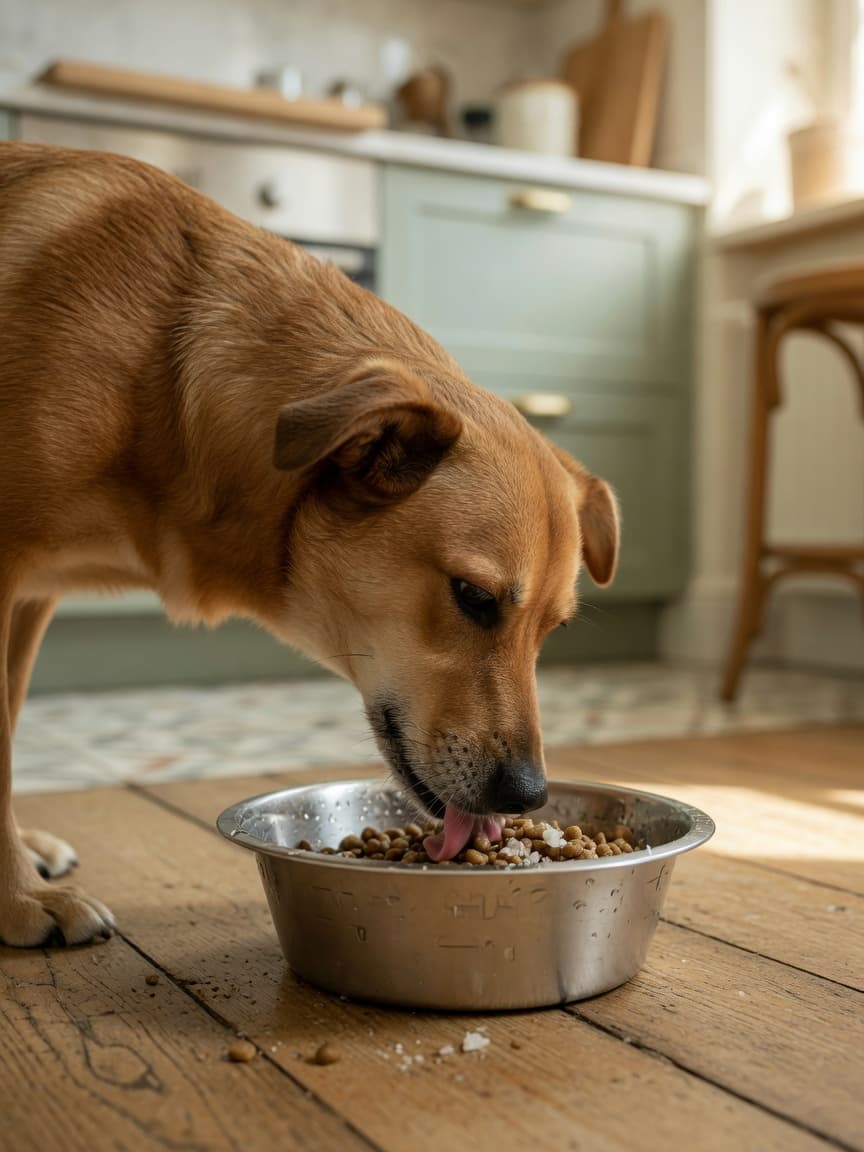
Salt is a common ingredient in our kitchens, but when it comes to our furry friends, it's a topic that warrants serious attention. Whilst small amounts of sodium are essential for your dog's health, excessive salt intake can lead to significant health complications. In this guide, we'll explore what veterinary science tells us about salt and dogs, helping you keep your pet safe and healthy.
Is Salt Safe for Dogs?
The short answer is: yes, but only in very small amounts. Dogs do require some sodium to maintain proper nerve function, muscle contraction, and fluid balance. However, most commercial dog foods already contain adequate sodium levels for your dog's needs. The challenge arises when dogs consume salty human foods or treats.
According to the Association of American Feed Control Officials (AAFCO), adult dogs require approximately 0.3% sodium in their diet on a dry matter basis. The issue is that many human foods contain far more sodium than this minimum requirement.
What Happens When Dogs Consume Too Much Salt?
Excessive salt consumption can lead to a condition called hypernatraemia, which occurs when sodium levels in the bloodstream become dangerously elevated. Signs that your dog may have consumed too much salt include:
- Excessive thirst and increased urination
- Vomiting and diarrhoea
- Loss of appetite
- Lethargy and weakness
- Tremors or seizures in severe cases
- Confusion or disorientation
In severe cases, salt toxicity can cause neurological damage or even be life-threatening. If you suspect your dog has ingested a large quantity of salt, contact your veterinary surgeon immediately.
Common Salty Foods to Avoid
Many everyday foods in our homes pose a salt risk to dogs. These include:
- Processed meats (bacon, ham, sausages, cured meats)
- Salty snacks (crisps, pretzels, salted nuts)
- Cheese and processed dairy products
- Canned soups and broths
- Salted peanut butter
- Smoked fish
- Fast food items
Even "pet-safe" treats can be problematic if they contain high sodium levels, so always check the nutritional information on packaging.
Safe Alternatives for Treating Your Dog
The good news is that plenty of wholesome, low-sodium foods can safely delight your dog:
- Fresh fruits: Apples (without seeds), bananas, and watermelon are excellent, hydrating options
- Vegetables: Carrots, green beans, and courgettes provide fibre and nutrients
- Lean proteins: Plain cooked chicken or turkey (unseasoned and unsalted)
- Plain yoghurt: A probiotic-rich treat for occasional use
- Dog-specific treats: Choose brands that explicitly state low sodium content
Frequently Asked Questions
Can a small taste of salted food harm my dog?
A single lick of a salty food is unlikely to cause harm, but regular consumption of salty foods increases toxicity risk. Prevention is always better than treatment.
What should I do if my dog eats something very salty?
Ensure your dog has access to fresh water and monitor closely for symptoms. If your dog exhibits any signs of distress or you're concerned about the quantity consumed, contact your veterinary surgeon immediately.
Are salt-free dog treats always the best choice?
Yes, when available and within budget. Salt-free treats are specifically formulated to meet your dog's nutritional needs without excessive sodium.
Key Takeaways
Whilst salt itself isn't inherently toxic to dogs in trace amounts, excessive consumption poses genuine health risks. Keep salty human foods out of reach, opt for fresh, wholesome treats instead, and ensure your dog always has access to fresh water. Your dog's diet should primarily consist of quality commercial dog food formulated to meet their nutritional needs. When in doubt about any food item, consult your veterinary surgeon—they're your best resource for keeping your canine companion thriving.