
Can Dogs Eat Pasta? Verdict: Plain Pasta — Caution; Sauced Pasta — Unsafe
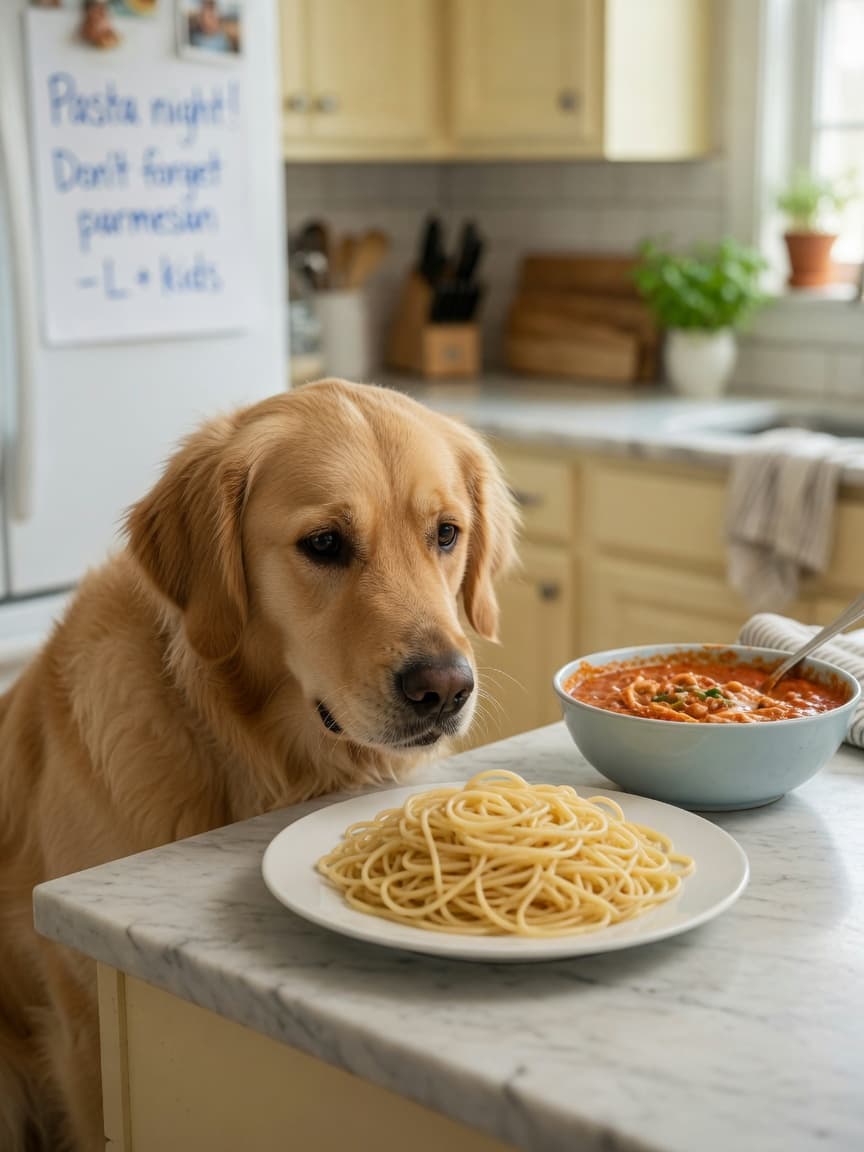
Plain, cooked pasta made from durum wheat, water, and egg is not toxic to dogs. In small quantities, it is digestible and unlikely to cause harm in a healthy adult dog with no underlying conditions. However, the key word is plain. The moment pasta is combined with a sauce — tomato, pesto, cream, carbonara, or any commercially prepared variety — the risk profile changes dramatically. Common pasta sauce ingredients including garlic, onion, and xylitol are acutely toxic to dogs, and rich cream-based sauces carry a pancreatitis risk comparable to that of other high-fat foods. Understanding the distinction between plain and dressed pasta is essential for dog owners.
What Plain Pasta Contains and How Dogs Digest It
Standard dried pasta is made from semolina — coarsely ground durum wheat — water, and sometimes egg. It is predominantly carbohydrate (around 70–75 g per 100 g dry weight), with moderate protein (approximately 12 g per 100 g) derived from gluten, and very little fat. When cooked, pasta absorbs water and swells, increasing its weight roughly two to two-and-a-half times.
Dogs possess multiple copies of the amylase gene (AMY2B), a genetic adaptation associated with the domestication process and a diet that increasingly included starchy human foods. This means dogs produce salivary and pancreatic amylase capable of beginning starch digestion efficiently. Cooked pasta starch is therefore genuinely digestible for most dogs — unlike in obligate carnivores such as cats, whose amylase levels are much lower.
That said, digestibility does not equal nutritional value. Pasta is a calorie-dense carbohydrate with limited micronutrient content. It provides quick-release energy but does not supply the high-quality animal protein, omega fatty acids, or essential vitamins and minerals that dogs require. Feeding it regularly displaces more nutritionally appropriate food, potentially causing deficiencies over time.
Gluten and Sensitive Dogs
Because pasta is made from wheat, it contains gluten — the viscoelastic protein network formed by gliadin and glutenin. The vast majority of dogs tolerate gluten without issue. However, a subset of dogs, most notably Irish Setters, have been documented with gluten-sensitive enteropathy, a condition functionally analogous to coeliac disease in humans. In these dogs, gluten triggers an immune-mediated inflammatory response in the small intestinal mucosa, causing villous atrophy and malabsorption. Signs include chronic diarrhoea, weight loss, and poor body condition. If your dog has chronic unexplained gastrointestinal problems, discuss a gluten exclusion trial with your vet before feeding pasta.
Why Pasta Sauces Are Dangerous
Garlic and Onion Toxicity
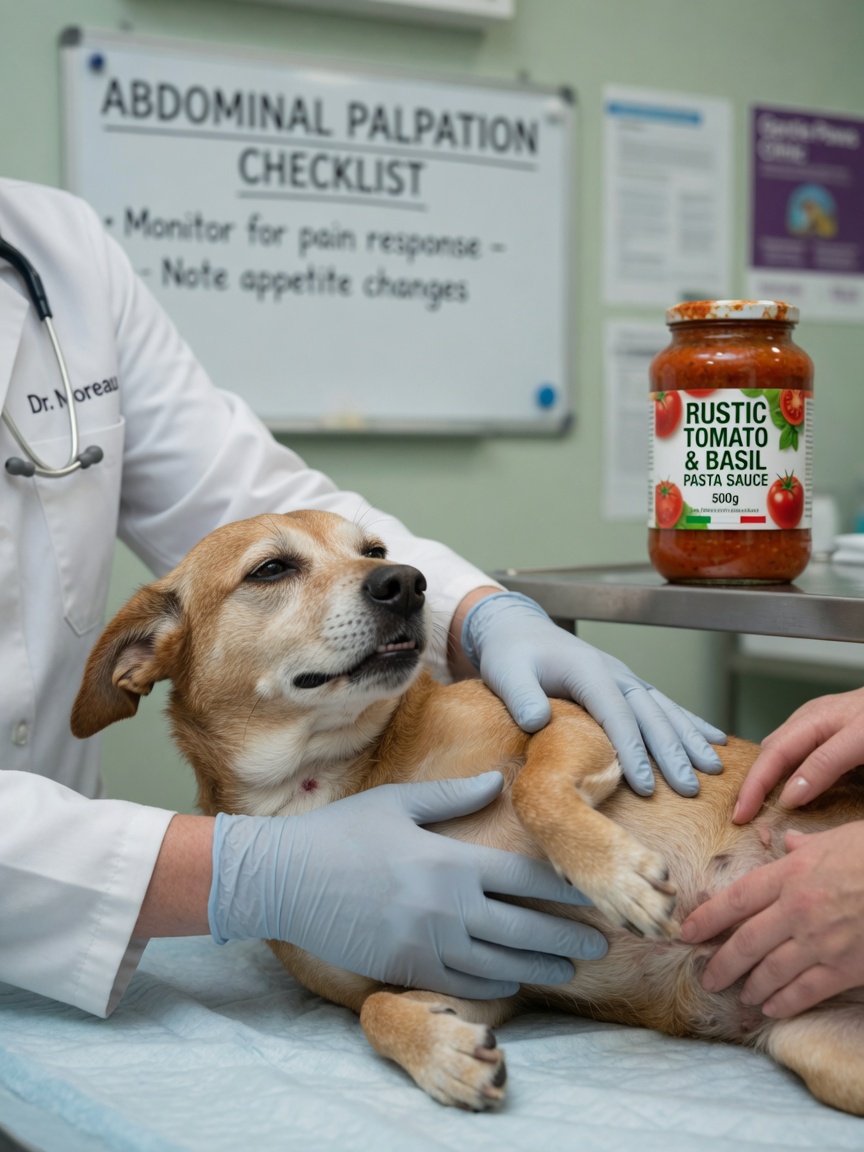
Tomato-based pasta sauces almost invariably contain garlic and onion, either fresh, dried, or as powder. Both belong to the Allium genus and contain organosulphide compounds — including allicin and n-propyl disulphide — that cause oxidative damage to canine red blood cells. These compounds form Heinz bodies (denatured haemoglobin inclusions) that render the cells fragile and trigger their premature destruction by the spleen, causing haemolytic anaemia. Garlic is significantly more potent per gram than onion: as little as 5 g of garlic per kilogram of body weight can cause clinical toxicity. Onion powder, which is commonly found in stock cubes and jarred pasta sauces, is even more concentrated than fresh onion and therefore disproportionately dangerous. There is no safe level of garlic or onion for dogs.
Xylitol in Pasta Products
Some commercially prepared pasta sauces, particularly those marketed as low-sugar or reduced-calorie, may contain xylitol as a sweetener. Xylitol (E967) causes a rapid and life-threatening hypoglycaemic response in dogs by stimulating massive insulin release from the pancreas, with blood glucose falling to critically low levels within 30–60 minutes. Higher doses cause acute liver failure. Even small quantities of xylitol are dangerous. Read ingredient labels carefully on any jarred or processed pasta sauce before allowing dog exposure.
Cream-Based Sauces and Fat Risk
Carbonara, alfredo, and other cream or butter-based pasta sauces deliver a concentrated fat load capable of triggering acute pancreatitis, particularly in predisposed breeds or individuals with a history of the condition. The mechanism is the same as with any high-fat food: excessive lipase secretion from the pancreas tips into autodigestion, causing an inflammatory cascade that can be life-threatening.
EU Food Safety Context
EFSA has published scientific opinions on the safety of organosulphur compounds from Allium species, confirming the biochemical basis for their toxicity in companion animals. The European Medicines Agency (EMA) and national veterinary poison control services across the EU list garlic, onion, and related vegetables as Category 1 toxins for dogs — meaning toxicity is well established and exposure should be prevented entirely. EFSA's ongoing review of xylitol as a food additive does not change its classification as acutely dangerous for dogs.
When Dogs Should Not Eat Plain Pasta
- Dogs with obesity or overweight conditions — pasta adds calorie density without nutritional benefit
- Dogs with diabetes mellitus — pasta has a moderate to high glycaemic index and will affect blood glucose
- Dogs with coeliac-like gluten sensitivity or inflammatory bowel disease
- Dogs on a calorie-controlled veterinary diet
- Dogs with kidney disease, as the additional phosphorus load from wheat protein may be problematic
Safe Portions of Plain Cooked Pasta
For a healthy adult dog with no underlying conditions, plain cooked pasta can be offered as an occasional treat or food topper. As a rough guide, a tablespoon or two of plain cooked pasta (unsalted, unflavoured) a few times per week is unlikely to cause harm for a medium dog (10–20 kg). For small dogs under 5 kg, reduce this to a teaspoon. Pasta should not constitute a significant portion of the daily diet and should not replace nutritionally complete dog food. It works well as a mild, bland carbohydrate during recovery from an upset stomach alongside plain boiled chicken — though always follow your vet's specific guidance on recovery diets.
Better Carbohydrate Alternatives
If you are looking for occasional carbohydrate treats or toppers for your dog's food, plain cooked sweet potato, plain boiled white rice, or plain cooked oats are nutritionally superior options. Sweet potato provides beta-carotene and soluble fibre; oats provide beta-glucan with documented benefits for digestive health. Retailers such as Zooplus stock a range of grain and vegetable-based treats formulated for dogs that provide carbohydrate variety without the risks associated with human pasta dishes.
Conclusion
Plain, cooked, unsauced pasta is not toxic to dogs and can be given in small amounts occasionally. The serious danger lies in the sauces, seasonings, and toppings that accompany virtually all pasta dishes in a human household. Garlic and onion are acutely toxic; xylitol in some products is life-threatening; and cream-based sauces carry real pancreatitis risk. The safest approach is to keep pasta dishes for humans and find purpose-made treats for your dog.