
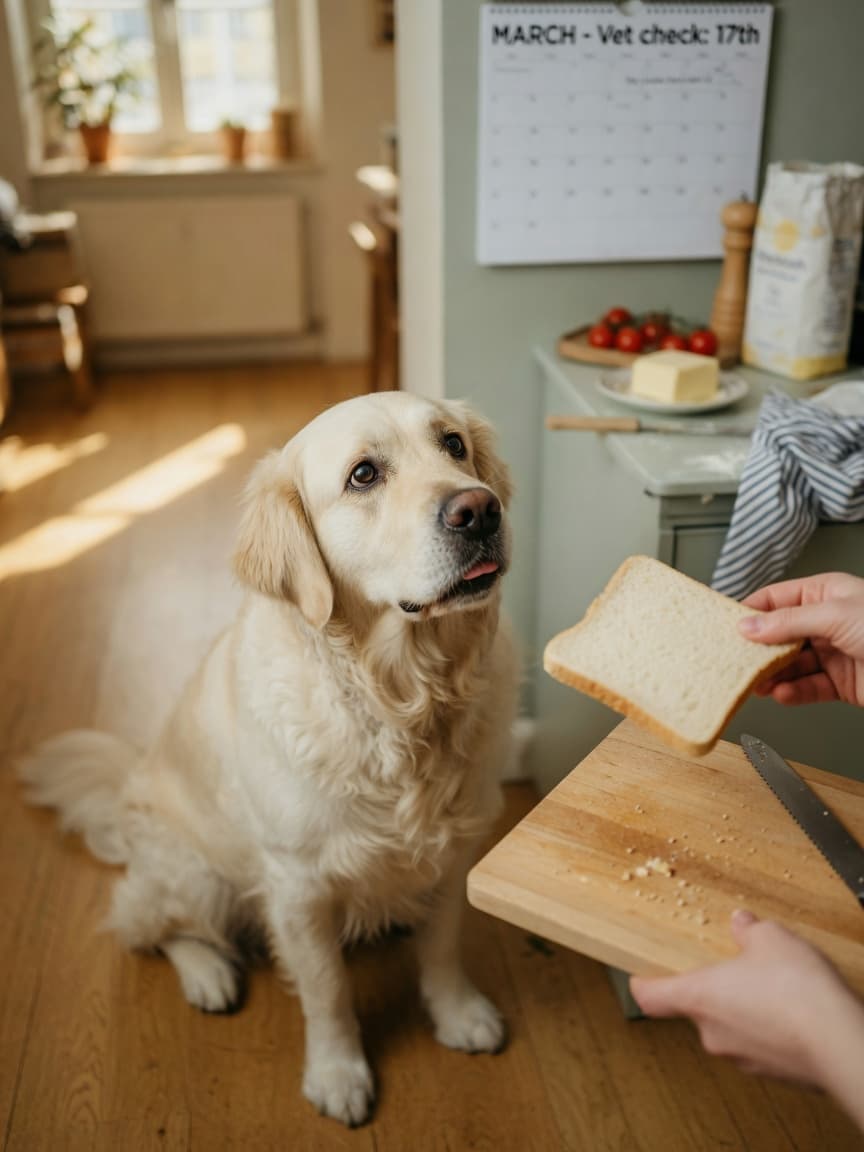
Your dog gives you that irresistible look whilst you're making a sandwich, and you wonder: can my pup safely enjoy a slice of bread? The short answer is yes, in moderation—but not all bread is created equal. As a certified animal nutritionist, I've seen countless cases of preventable digestive upset from inappropriate bread choices. This guide will help you understand which breads are safe, which pose serious risks, and how to offer this common household staple responsibly.
Is Bread Safe for Dogs?
Plain, untoasted bread is generally safe for most adult dogs in small quantities. However, bread offers virtually no nutritional benefit to your pet. Dogs require protein, healthy fats, and essential micronutrients—none of which bread provides in meaningful amounts. Think of bread as an occasional treat rather than a dietary staple, and always choose simple varieties without added ingredients.
The main concern with bread isn't the bread itself, but what's often added to it. Many commercial breads contain ingredients that can be toxic or harmful to canine health. Additionally, yeast dough—the raw ingredient—poses a serious medical emergency.
Dangerous Types of Bread to Avoid
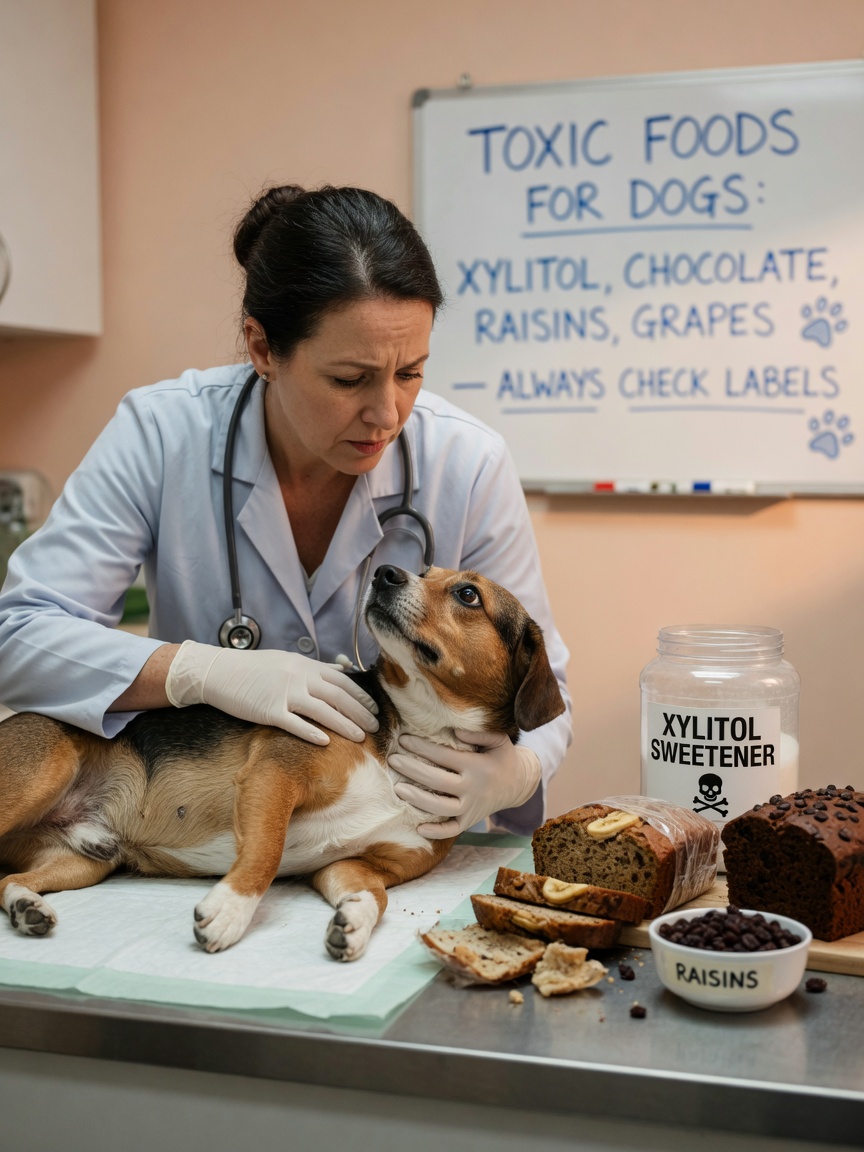
- Bread with xylitol: This artificial sweetener is extremely toxic to dogs, causing rapid insulin release, hypoglycaemia, and liver failure. Even small amounts can be fatal. Always check ingredient labels carefully, particularly on "sugar-free" or "diet" breads.
- Bread containing raisins or sultanas: Both are toxic to dogs and can cause acute kidney injury. Avoid any bread with these dried fruits entirely.
- Raw yeast dough: This is a veterinary emergency. As dough rises in the stomach, it expands, causing bloating (gastric dilatation) and produces ethanol, leading to alcohol toxicity. Seek immediate veterinary care if ingestion is suspected.
- Heavily salted or garlic-laden bread: Excessive salt can cause sodium ion poisoning, whilst garlic is toxic to dogs and damages red blood cells.
- Chocolate bread or banana bread with macadamia nuts: Both chocolate and macadamia nuts are toxic to canines.
Safe Bread Options for Dogs
If you choose to offer bread, stick to these safe varieties:
- Plain white or wholemeal bread (in small quantities)
- Plain, cooked pumpkin bread (without added sugar or spices)
- Simple oat bread without added ingredients
- Plain rice cakes as a lower-calorie alternative
Wholemeal bread contains more fibre than white bread, which can support digestive health, but ensure it contains no added sweeteners or problematic ingredients. Always feed toasted bread rather than fresh—it's easier to digest.
Portion Control and Feeding Guidelines
If bread is safe and appropriate, how much can your dog have? A small slice (roughly 10-15 grams) for a medium-sized dog is adequate. For smaller breeds, offer just a corner. Bread should comprise no more than 10% of your dog's daily calorie intake. Consider that a standard slice of bread contains approximately 79-100 calories—a significant portion of a small dog's daily needs.
Never use bread as a meal replacement, and always introduce new foods gradually to monitor for digestive upset. Some dogs may experience loose stools or vomiting from bread, particularly if they have sensitive stomachs.
When to Contact Your Veterinarian
Seek immediate veterinary attention if your dog ingests:
- Raw yeast dough
- Bread containing xylitol, raisins, sultanas, chocolate, or macadamia nuts
- Large quantities of bread (potential blockage risk)
Additionally, contact your vet if your dog shows signs of digestive upset following bread consumption, including vomiting, diarrhoea, or abdominal discomfort lasting more than a few hours.
Key Takeaways
Bread can be an occasional, low-risk treat for healthy adult dogs when chosen carefully. Plain, toasted varieties without additives are safest. Always read ingredient labels meticulously, avoid common toxins, and remember that bread provides negligible nutritional value. When in doubt, choose dog-approved treats specifically formulated for canine health instead. Your dog's wellbeing is worth the extra care in selection.