
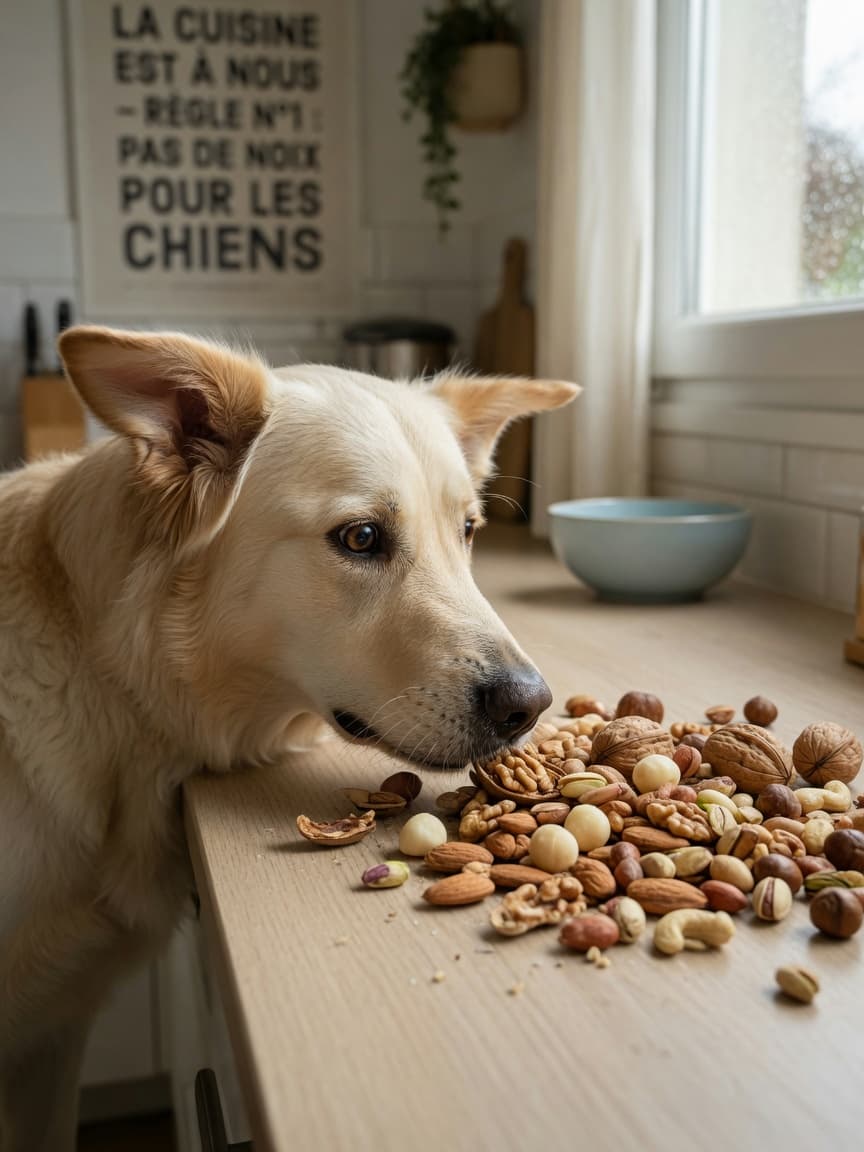
Nuts and Dogs: A Mixed Picture
Nuts are a regular feature of human snack culture, and dogs being dogs, they are often nearby when packets are opened. The question of which nuts are safe for dogs is genuinely important because the range of risk varies dramatically from species to species — from relatively benign to acutely toxic. Understanding this landscape helps you make informed decisions and respond appropriately if your dog helps themselves to something they should not have.
Almonds: Not Recommended, But Not Acutely Toxic
Almonds occupy a middle ground that can be confusing. They are not classed as toxic to dogs in the way that macadamia nuts are, but they are not considered a safe snack either, and there are several good reasons for this distinction.
First, almonds are not easily digested by dogs. Unlike humans, dogs lack the necessary enzymatic machinery to break down certain compounds in almonds efficiently. This frequently leads to gastrointestinal upset — vomiting, diarrhoea, gas, and abdominal discomfort — even after small quantities.
Second, almonds are high in fat. A high-fat snack, even a one-off, can trigger pancreatitis in susceptible dogs. Dogs with a prior history of pancreatitis, or breeds prone to it such as Miniature Schnauzers and Cocker Spaniels, are at particular risk.
Third, salted or flavoured almonds — by far the most common form found in UK households — add sodium and sometimes other ingredients (such as garlic powder or onion powder in seasoning blends) that are directly harmful to dogs.
Finally, whole almonds present a choking and obstruction risk, particularly in smaller breeds. The combination of these factors means almonds should simply be kept away from dogs, even though a single almond accidentally eaten by a medium-large dog is unlikely to cause a crisis.
Macadamia Nuts: Genuinely Toxic

Macadamia nuts are one of the clearest examples of a food that is actively toxic to dogs. The precise mechanism of toxicity is not yet fully understood, but the clinical effects are well documented. Even small amounts — as few as two or three nuts — can cause significant symptoms in some dogs.
Symptoms of macadamia toxicity typically appear within 12 hours and include weakness or inability to walk (particularly in the hind legs), vomiting, tremors, hyperthermia (elevated body temperature), and lethargy. Symptoms usually resolve within 24 to 48 hours with supportive care, but veterinary treatment is strongly recommended. White chocolate macadamia nut biscuits or blondies are a particular risk given how common they are and how appealing they smell to dogs.
Walnuts: High Risk, Especially Mouldy Ones
Walnuts present two distinct risks. English walnuts (the common type sold in shops) are high in fat and can cause gastrointestinal upset and pancreatitis. Black walnuts, less common in the UK but present in some garden trees, contain a compound called juglone which is toxic to dogs and can cause tremors, vomiting, and neurological symptoms.
Perhaps the most serious walnut-related risk comes from mould. Walnuts that have fallen from trees and been left on the ground can develop tremorgenic mycotoxins — toxins produced by certain fungal species — which cause severe muscle tremors and seizures. Any walnuts found on the ground, whether whole or in shells, should be considered hazardous. Gardens with walnut trees require monitoring during nut-fall season.
Pecans: Similar Risk to Walnuts
Pecans carry similar concerns to walnuts. They can also develop tremorgenic mycotoxins and contain juglone. Their high fat content makes pancreatitis a real concern even without fungal contamination. Pecans should be treated as unsuitable for dogs.
Pistachios: Problematic
Pistachios are not acutely toxic to dogs, but they present multiple practical concerns. They are high in fat, a consistent risk factor for pancreatitis. Shelled pistachios can splinter into sharp fragments that cause intestinal damage. They are also prone to contamination with Aspergillus mould, which produces aflatoxins — compounds that can cause severe liver damage with repeated exposure. Salted pistachios add a sodium burden that stresses the kidneys, particularly in dogs with underlying renal issues.
Cashews: Lower Risk, But Still Not Ideal
Plain, unsalted, roasted cashews are one of the less risky nuts on this list and are not considered toxic to dogs. However, they are still high in fat and calories, and salted or mixed-nut varieties negate even this modest tolerance. A single cashew given occasionally to a large, healthy dog is unlikely to cause harm, but they should not become a habit and are best avoided entirely.
Peanuts: The Exception, With Caveats
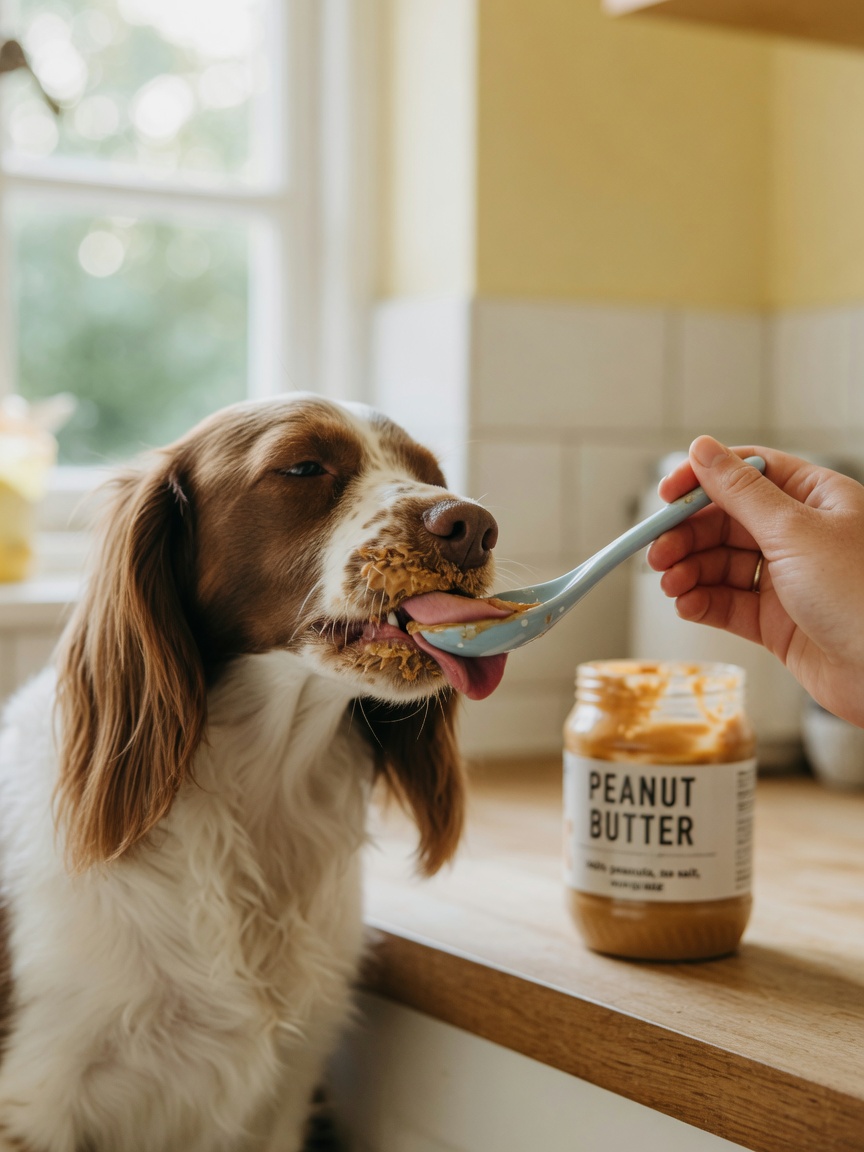
Peanuts are technically a legume rather than a tree nut, and plain, unsalted, dry-roasted or raw peanuts are generally considered safe for dogs in small quantities. Peanut butter is widely used in canine enrichment and as a pill-hiding food. However, there are important caveats. Peanut butter must not contain xylitol, an artificial sweetener that causes rapid and severe hypoglycaemia (low blood sugar) in dogs and can be fatal. Always check ingredient labels carefully. Additionally, salted peanuts or those with added sugars or flavourings are unsuitable. Even safe peanuts should be given sparingly due to their fat content.
Hazelnuts: Relatively Low Risk
Plain hazelnuts are not considered toxic to dogs, but their round shape makes them a choking hazard and potential intestinal blockage risk, particularly in small dogs. They offer no nutritional benefit to dogs that cannot be obtained more safely elsewhere.
What to Do If Your Dog Eats Nuts
The appropriate response depends on which nut was eaten, how much, and the size of your dog. For macadamia nuts, contact your vet immediately regardless of quantity. For walnuts or pecans, particularly if there is any chance of mould exposure, do the same. For other nuts, monitor for signs of gastrointestinal distress — vomiting, diarrhoea, lethargy — and contact your vet if symptoms develop or if your dog ate a substantial quantity.
The Simplest Rule
Given the variability of risk across nut types, the safest approach is to keep all nuts out of reach of dogs as a general household rule. The few nuts that are technically low-risk offer no meaningful health benefit that justifies the complexity of managing the exceptions — particularly when many look identical and are commonly mixed together in bowls and snack packs.