

Coconut Water and Dogs: What You Need to Know
Coconut water has earned a firm place in human health culture as a natural hydration drink rich in electrolytes. It is marketed as a cleaner alternative to sports drinks, and in some circles it carries almost superfood-level status. Given that it is natural and generally considered healthy for people, it is understandable that dog owners wonder whether their pets can benefit from it too.
The short answer is that coconut water is not toxic to dogs in small amounts, but there are important caveats around when it is appropriate, how much is safe, and whether it offers any genuine benefit over plain water.
What Is in Coconut Water?
Coconut water — not to be confused with coconut milk, which is a much fattier product — is the clear liquid found inside young green coconuts. Its nutritional profile includes:
- Natural sugars (around 6 grams per 240 ml serving)
- Potassium (approximately 600 mg per serving — considerably more than a banana)
- Magnesium
- Calcium
- Sodium (in relatively low amounts compared to commercial electrolyte drinks)
- Vitamin C and some B vitamins in small quantities
The high potassium content is central to both the potential benefits and the risks when it comes to dogs.
Potential Benefits for Dogs
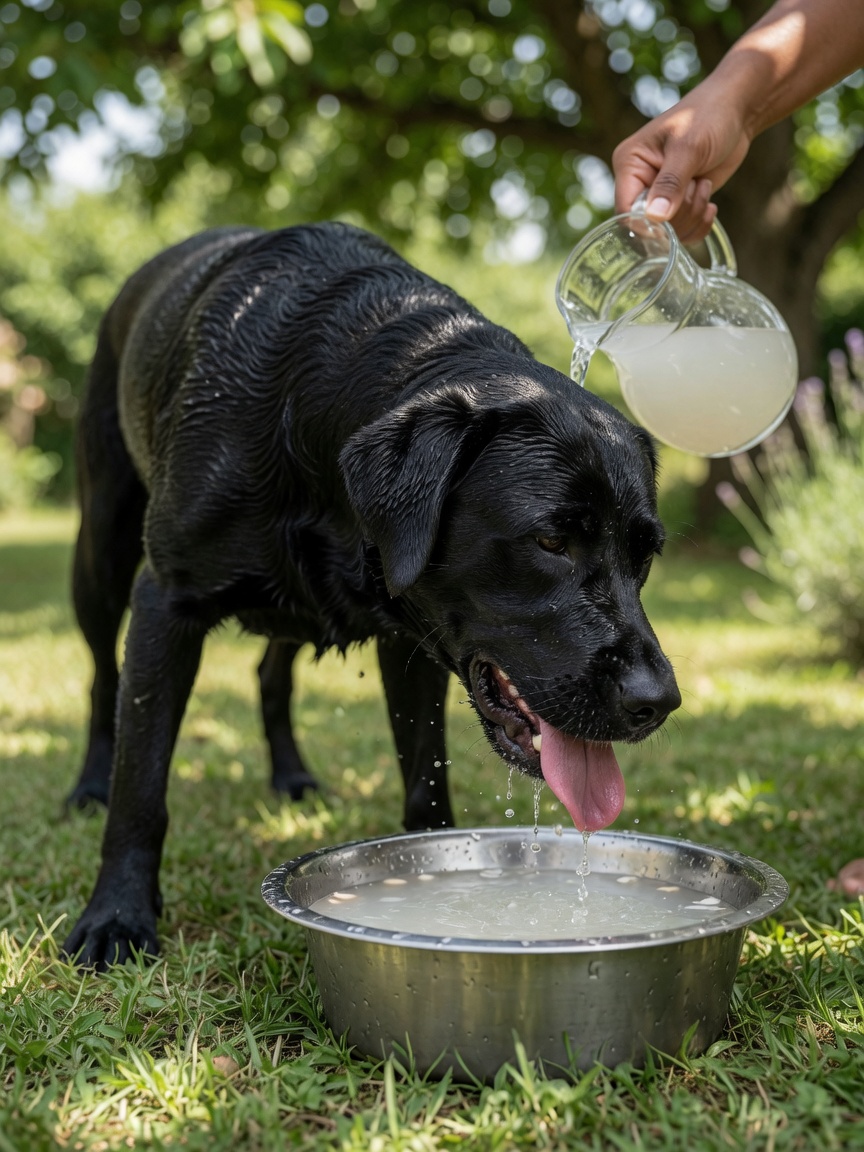
Electrolyte replenishment after exercise
After prolonged physical activity, dogs lose electrolytes through panting. Plain water replaces fluid volume but does not replace electrolytes. In theory, the potassium and magnesium in coconut water could help restore balance after a demanding exercise session. For working dogs or highly active breeds who have been exerting themselves in heat, a small amount of coconut water alongside fresh water may be beneficial.
Palatability for reluctant drinkers
Some dogs who resist plain water are more attracted to the mild sweetness of coconut water. Adding a small splash to their water bowl can encourage a low-drinker to consume more fluid, which is preferable to dehydration. This should be used as a short-term encouragement strategy rather than a permanent habit.
Natural ingredients
Unlike commercial electrolyte drinks formulated for humans, coconut water does not contain artificial sweeteners, colourings, or caffeine. Plain, unsweetened coconut water has a short ingredient list with nothing that is immediately harmful to dogs.
Risks and Concerns

High potassium content
Potassium is an essential mineral, but too much of it — a condition called hyperkalaemia — can cause serious cardiac and neuromuscular problems. Dogs with kidney disease, Addison's disease, or any condition that impairs potassium excretion are at significant risk. For these dogs, even moderate amounts of coconut water should be considered off-limits without specific veterinary guidance.
Sugar content
The natural sugars in coconut water are not harmful in small quantities for healthy dogs, but they become a concern for diabetic dogs, overweight dogs, and dogs with dental disease. Regularly adding a sugary liquid to a dog's diet — even a natural one — is not advisable long term.
Gastrointestinal upset
Some dogs experience loose stools or vomiting when introduced to coconut water, particularly in larger quantities. The combination of sugars, fibre, and minerals can have a laxative effect. If you offer coconut water for the first time, start with a very small amount — a tablespoon or two for a medium-sized dog — and observe the response before offering more.
Added ingredients in commercial products
Many commercially available coconut waters contain added flavourings, preservatives, or sweeteners including xylitol — an artificial sweetener that is acutely toxic to dogs and can cause life-threatening hypoglycaemia and liver failure even in small amounts. Always read the label in full before offering any coconut water product to your dog. If the ingredient list includes anything other than coconut water, do not use it.
How Much Coconut Water Is Safe for Dogs?
There is no formally established safe dose for dogs, as coconut water is not a veterinary product. As a general guide, most veterinary nutritionists suggest treating it as an occasional supplement rather than a dietary staple:
- Small dogs (under 10 kg): no more than 30–60 ml at a time, occasionally
- Medium dogs (10–25 kg): up to 60–120 ml occasionally
- Large dogs (over 25 kg): up to 120–240 ml occasionally
These are rough upper limits for healthy dogs. If your dog has any underlying health condition — particularly kidney disease, heart disease, or diabetes — consult your vet before offering coconut water at all.
When Coconut Water Is Not Appropriate
Avoid giving coconut water to dogs who:
- Have diagnosed kidney disease or are on potassium-restricted diets
- Have Addison's disease
- Have diabetes mellitus
- Are significantly overweight
- Have a history of pancreatitis (coconut water itself is low in fat, but the sugar may be a concern)
- Are puppies under 12 weeks — stick to plain water and age-appropriate nutrition for very young dogs
The Bottom Line
Coconut water is not harmful for healthy dogs in small, occasional amounts, provided it is plain with no added ingredients. It is not a miracle supplement, and it is not necessary — a dog who eats a balanced diet and drinks fresh water has no nutritional gap that coconut water fills. However, as an occasional treat, a post-exercise electrolyte boost, or a palatability aid for a dog who needs encouragement to drink, it has a reasonable place in the toolkit.
Plain water remains the gold standard for canine hydration. If you want to support your dog's fluid intake, ensuring constant access to clean, fresh water and incorporating wet food into their diet will always be more effective and safer than any supplement or novelty drink.