
Small Dog, Big Heart — and a Few Breed-Specific Risks
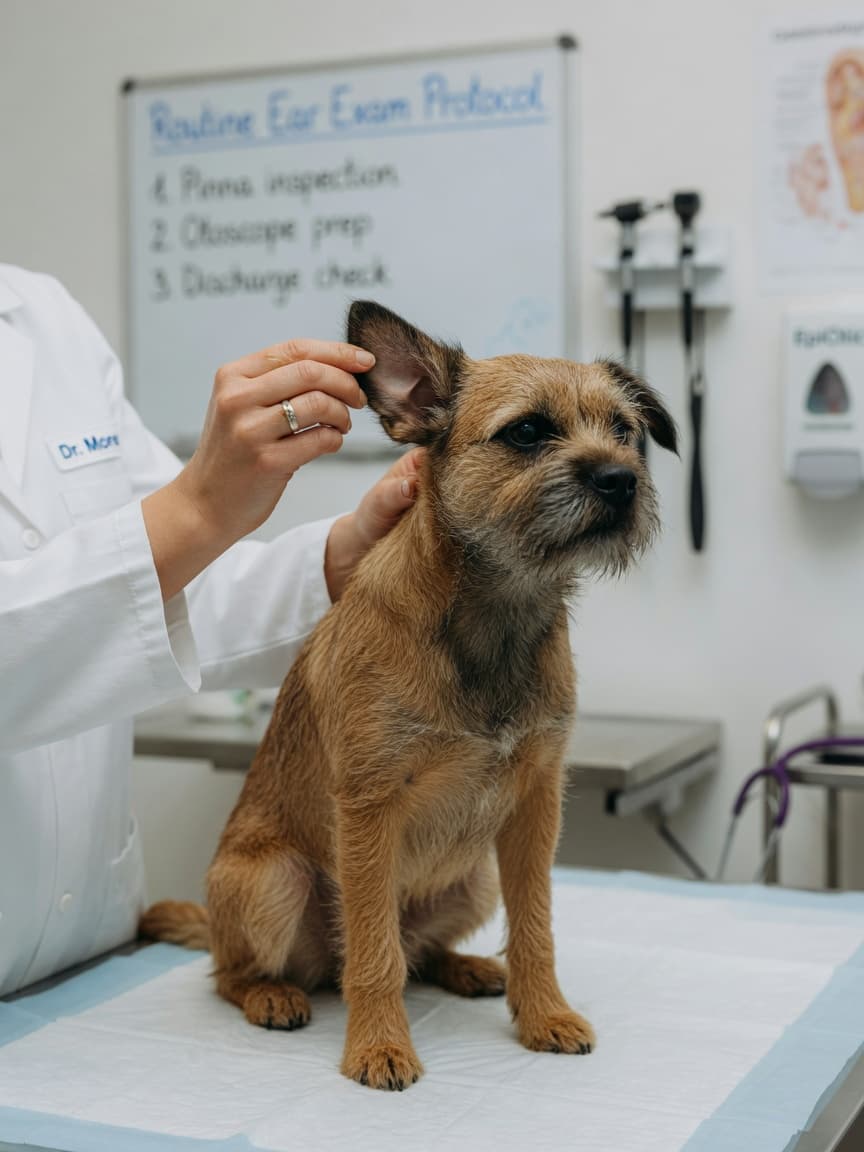
Border Terriers have earned a devoted following across the UK for their adaptability, intelligence, and seemingly boundless energy. Bred originally for fox hunting in the Cheviot Hills, they are hardy little dogs with impressive longevity. However, the breed carries a handful of health vulnerabilities that prospective and current owners must understand. Three conditions command particular attention: Spike's Disease, idiopathic epilepsy, and allergic skin disease.
Spike's Disease: A Condition Unique to Border Terriers

Spike's Disease — formally known as Canine Epileptoid Cramping Syndrome (CECS) — is a neurological and possibly metabolic disorder that appears to be unique to the Border Terrier breed. It was named after one of the first dogs in whom the condition was formally described. Despite growing awareness, it remains poorly understood and is the subject of ongoing research.
What Happens During an Episode
Episodes typically last between two and thirty minutes and can be deeply distressing to witness. Affected dogs may show trembling, muscle spasms, an inability to stand, gulping, retching, apparent stomach pain, and a glazed or vacant expression. Crucially, dogs usually remain conscious throughout, which is one feature that distinguishes CECS from a typical epileptic seizure, although the two can be difficult to differentiate without veterinary assessment.
Dietary Connections and Management
A gluten sensitivity has been proposed as a contributing factor in some Border Terriers with CECS, and a number of owners report reduction in episodes following a switch to a grain-free or gluten-free diet. However, the evidence base is currently anecdotal rather than clinical trial-level, and dietary changes of this kind should always be discussed with a vet before implementation. A video recording of an episode is invaluable when presenting to a veterinary neurologist for diagnosis, as the presentation is intermittent and may not occur during a consultation.
Idiopathic Epilepsy: Managing Seizures in Border Terriers
Epilepsy is reported at a higher rate in Border Terriers than in many other small breeds. Idiopathic epilepsy — where no underlying structural cause can be found in the brain — typically presents between one and five years of age. Seizures may be generalised (affecting the whole body) or focal (limited to one part of the body), and their frequency varies enormously between individuals.
Diagnosis and Monitoring
Reaching a diagnosis of idiopathic epilepsy involves ruling out other causes, including toxin exposure, metabolic disease, and structural brain abnormalities. Your vet may recommend blood tests, urine analysis, MRI scanning, and cerebrospinal fluid analysis. Keeping a detailed seizure diary — recording date, time, duration, and post-seizure behaviour — provides your veterinary neurologist with critical information for ongoing management.
Treatment Pathways
Antiepileptic medication is typically considered when seizures occur more than once a month, when clusters of seizures are observed, or when individual episodes are prolonged. Several effective medications are available, and finding the right drug or combination may take time. Owners should never adjust medication doses without veterinary guidance, as sudden changes can trigger withdrawal seizures. Regular monitoring of drug levels and organ function is an essential part of long-term epilepsy management.
Skin Allergies: A Persistent Challenge
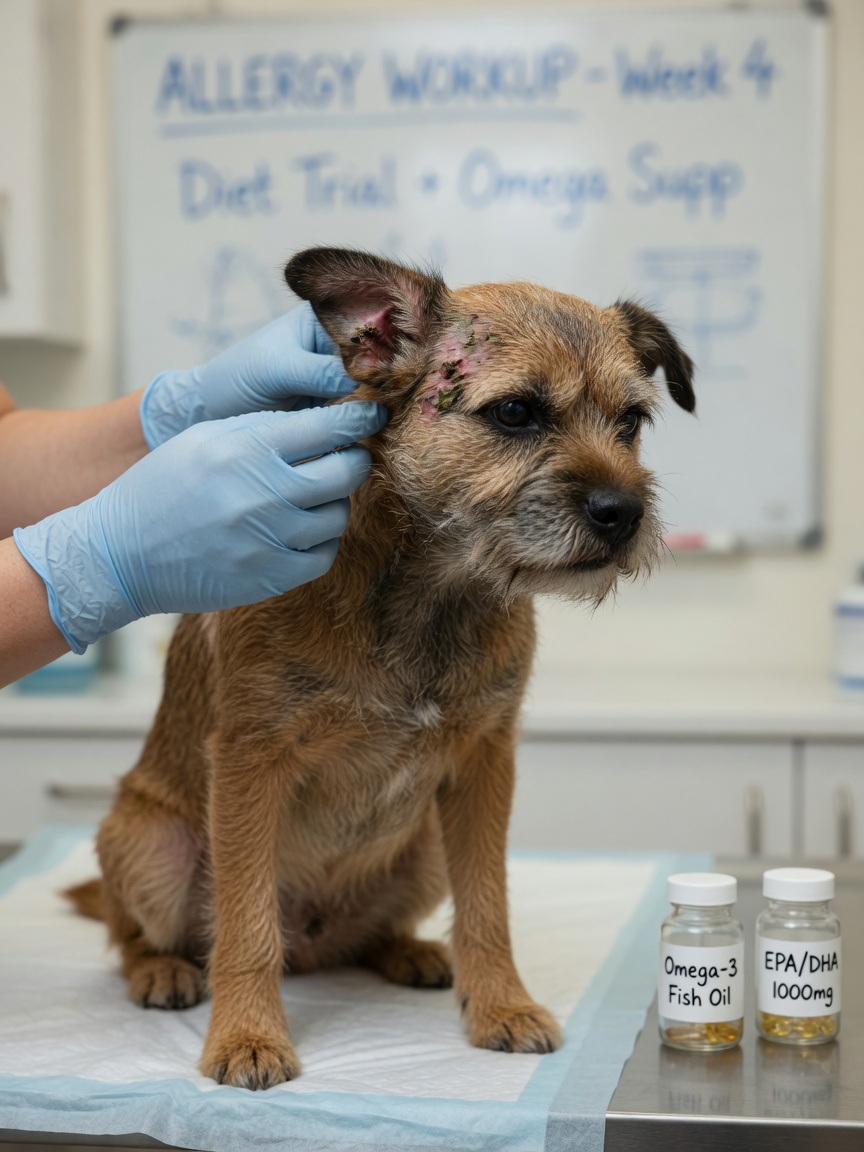
Allergic skin disease is one of the most frequently reported health problems in Border Terriers. The breed appears to have an inherited predisposition to atopic dermatitis, which is a chronic inflammatory skin condition triggered by environmental allergens.
Identifying the Problem
Common signs include persistent scratching, particularly around the face, ears, paws, and belly, recurrent ear infections, and skin that appears red, thickened, or darkened in heavily affected areas. Many owners initially attribute the symptoms to a poor diet and cycle through multiple food types, often without improvement, because the underlying trigger is environmental rather than dietary.
Allergy Testing and Treatment
Intradermal skin testing or specific serology blood tests can identify environmental allergens driving the reaction. Allergen-specific immunotherapy — a course of injections tailored to your dog's individual sensitisations — offers the only disease-modifying treatment currently available for atopic dermatitis. Additional supportive measures include regular bathing to remove pollen and other surface allergens, omega-3 fatty acid supplementation to support the skin barrier, and veterinary-prescribed medications to control flare-ups. Ongoing management is nearly always necessary, as atopic dermatitis is a lifelong condition.
General Health Considerations
Beyond these three priority conditions, Border Terriers may also be susceptible to hip dysplasia, progressive retinal atrophy, and heart defects. Purchasing from breeders who conduct relevant health screening — including hip scoring, eye testing, and cardiac assessment — significantly reduces risk. Border Terriers bred under the Kennel Club's assured breeder scheme are subject to mandatory and recommended health tests for the breed.
What You Can Do Right Now
- Film any unusual episodes of trembling, cramping, or seizures on your phone for your vet to review.
- Keep a written log of episode frequency, duration, and any patterns you notice before or after meals.
- Ask your vet about the distinction between Spike's Disease and epilepsy if your dog shows neurological signs.
- Do not introduce a gluten-free diet without veterinary input, particularly if your dog is on medication.
- Book a dermatology referral if skin problems recur despite standard treatment — cycling through diets without a diagnosis delays effective care.
- Ensure breeding dogs are health-tested for PRA, hip dysplasia, and cardiac conditions.
- Schedule annual wellness checks and communicate any new symptoms to your vet promptly.
Border Terriers are resilient, spirited companions capable of a long and active life. With attentive ownership and a good working relationship with your veterinary team, the conditions described here are all manageable. Always seek professional veterinary advice before making decisions about your dog's health.