
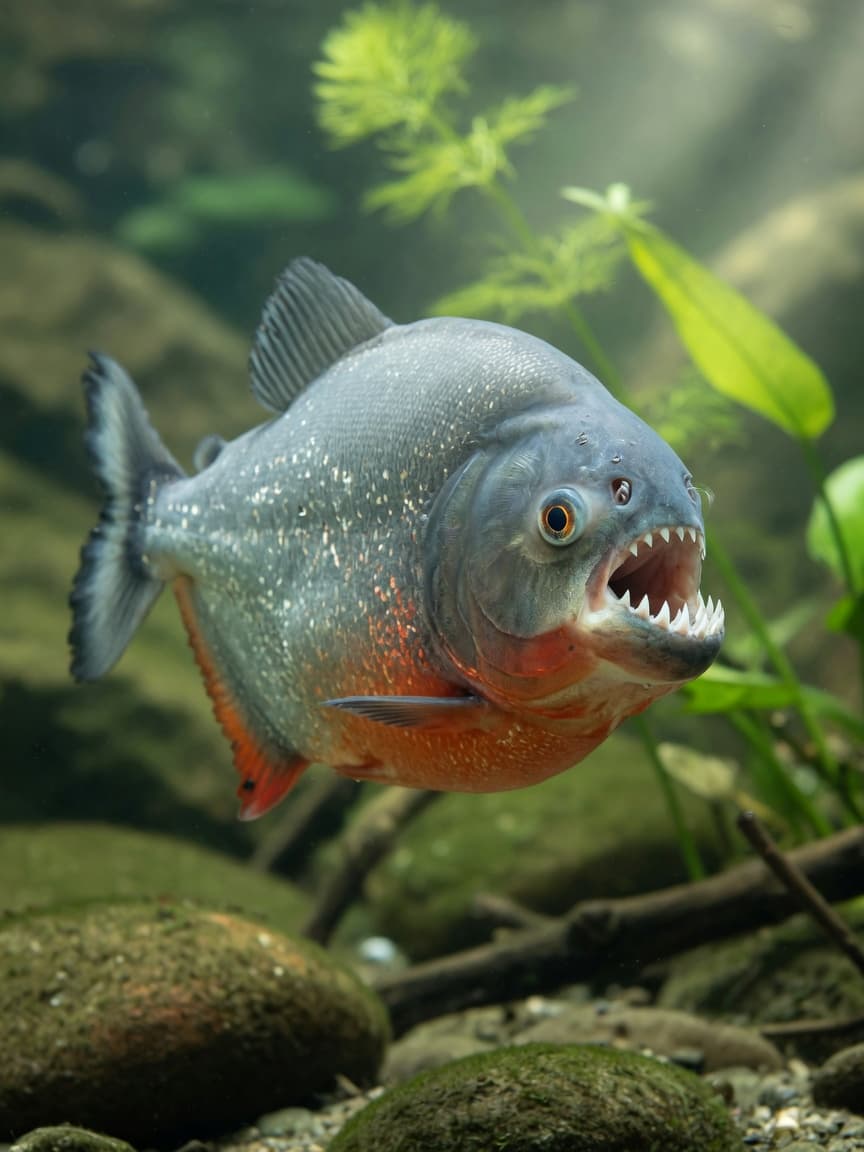
Piranhas have captured the human imagination for centuries, often portrayed in films and popular media as ferocious, flesh-eating monsters lurking in South American rivers. However, the reality of piranha behaviour is far more nuanced than Hollywood would have us believe. If you're considering keeping piranhas as pets or simply curious about these fascinating fish, it's essential to separate fact from fiction and understand what makes them genuinely dangerous—and what doesn't.
Understanding Piranha Behaviour in the Wild
Piranhas are native to the freshwater rivers and lakes of South America, particularly in the Amazon and Orinoco basins. Contrary to popular belief, these fish are not the indiscriminate killers often depicted on screen. In their natural habitat, piranhas are opportunistic predators that typically hunt smaller fish and aquatic animals.
Research has shown that piranha attacks on humans are relatively rare, considering how frequently people interact with these waters. The fish are actually quite cautious around larger animals and humans. They tend to be more active hunters when they are hungry or when water conditions are poor (such as during dry seasons when rivers shrink).
What Actually Makes Piranhas Dangerous?
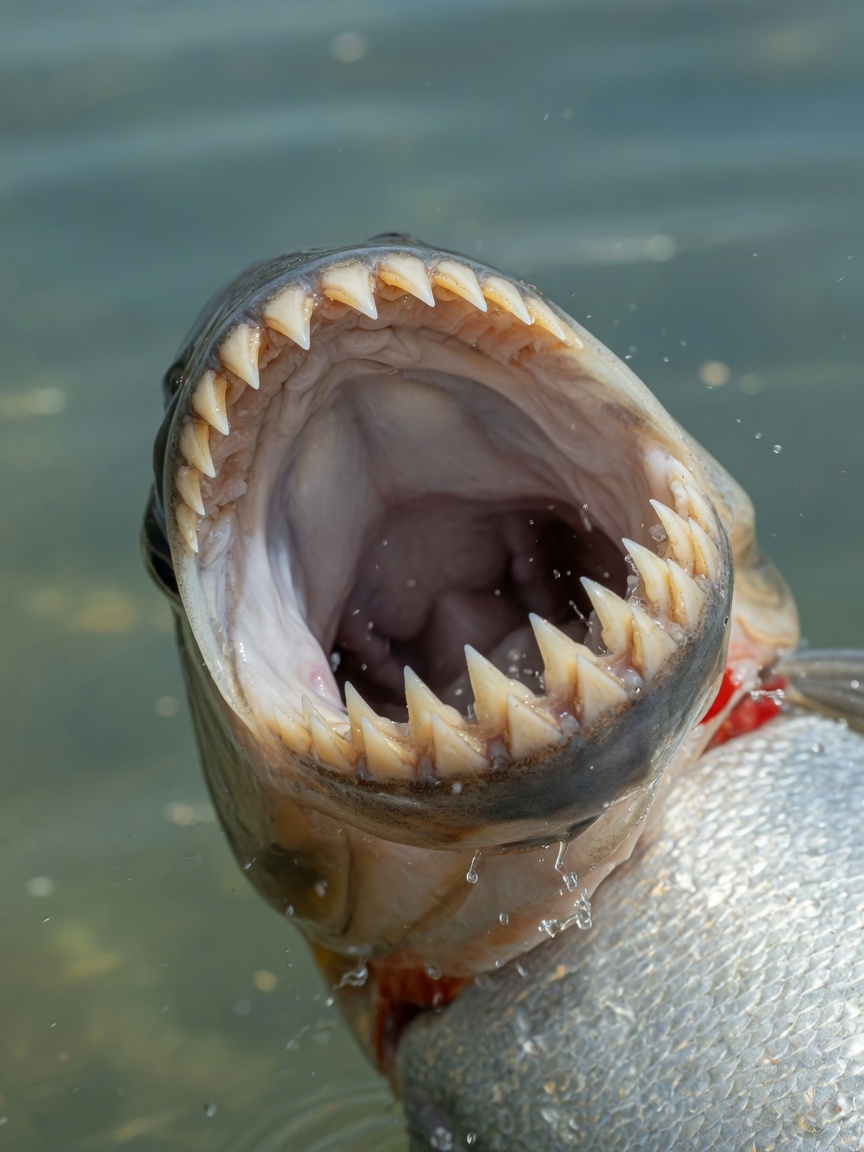
Piranhas possess several characteristics that warrant respect:
- Powerful jaws and sharp teeth: Their bite force is significant for their size, with teeth that can easily pierce skin and scale
- Feeding frenzies: When multiple piranhas detect blood or vibrations from injured prey, they can become highly aggressive in a coordinated feeding response
- Unpredictability in captivity: Stressed or poorly kept piranhas may display aggressive behaviour toward tank mates or handlers
- Defensive response: Cornered or threatened piranhas will bite as a self-defence mechanism
Keeping Piranhas as Pets: The Risks
If you're considering piranhas as aquarium pets, it's crucial to understand the genuine risks involved. These fish require expert-level care and are not suitable for beginners. Key concerns include:
- They must be housed individually or in carefully managed groups to prevent aggression
- They can reach significant sizes (up to 30 centimetres) and require large, specialised tanks
- Handling them during maintenance poses a genuine injury risk
- In many European countries and the UK, ownership is restricted or requires specific licensing
Realistic Assessment of Danger Levels
To put piranha danger in perspective: piranhas are far less dangerous to humans than crocodiles, hippopotamuses, or even certain dog breeds. Fatal piranha attacks on humans are extraordinarily rare. Most incidents involve people entering the water in conditions that stress the fish, such as during dry seasons or in areas where they've been feeding.
If you're swimming in piranha-inhabited waters, the risk of attack is minimal if you follow basic safety precautions: avoid entering murky water, don't wade during feeding times, and be especially cautious if you have open wounds.
Safe Aquarium Practices
Should you decide to keep piranhas (and have the appropriate legal permissions), essential safety measures include:
- Using a secure, well-fitted lid on your aquarium
- Never hand-feeding or placing hands in the tank unnecessarily
- Using nets and tools for maintenance rather than direct handling
- Maintaining optimal water conditions to reduce stress-related aggression
- Keeping detailed records of behaviour and any incidents
Key Takeaways
Piranhas are genuinely dangerous in specific circumstances, but they're far from the indiscriminate killers of popular imagination. They're dangerous primarily when handled improperly, kept in poor conditions, or when humans enter their environment under stressful circumstances. For the average person, piranhas pose minimal direct threat. However, they absolutely should not be kept as casual pets, and anyone considering ownership must understand the serious responsibilities involved and comply with local regulations. Respect for these fascinating creatures—and realistic assessment of their actual behaviour—leads to safer interactions for both humans and piranhas alike.