
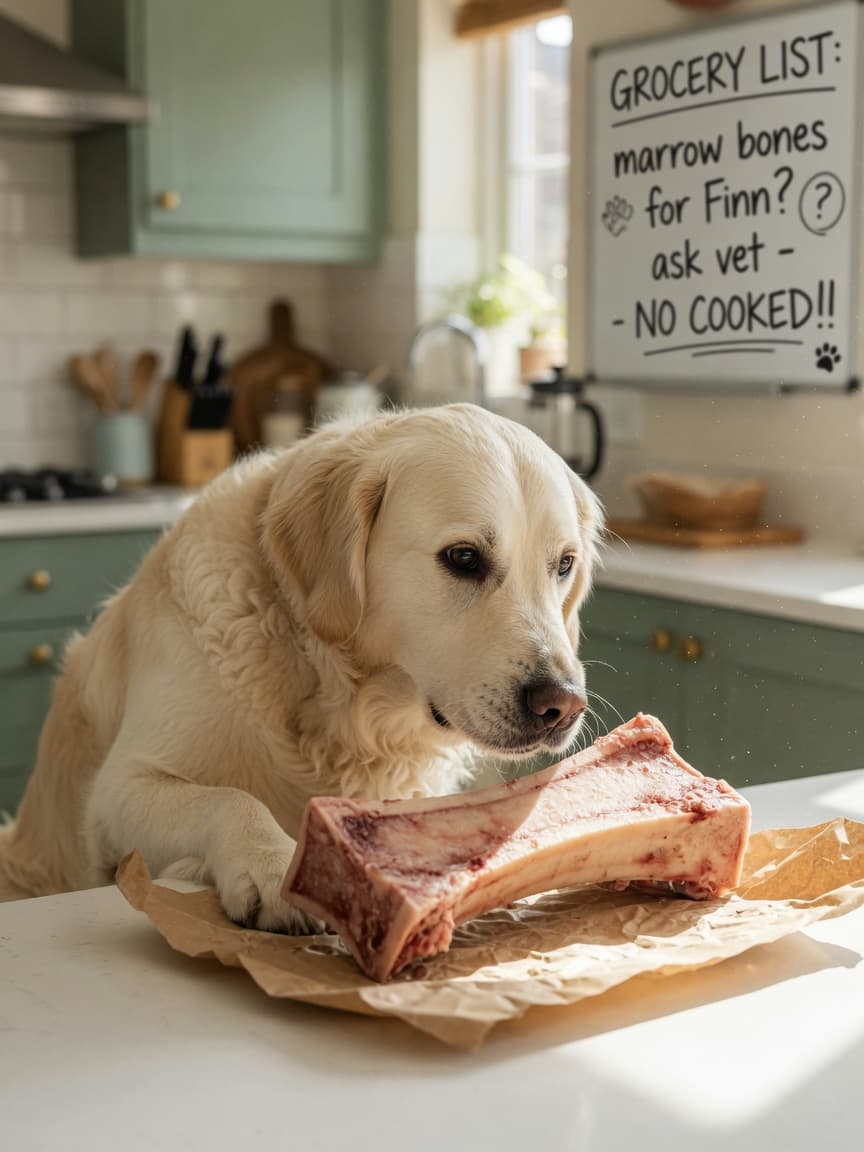
The question of whether to give your dog bones is one of the most debated topics among pet owners and veterinarians. While bones are often portrayed as natural dog food, the reality is more nuanced. Some bones can be beneficial for your dog's dental health and enrichment, whilst others pose serious risks. Understanding the difference between safe and unsafe bones is essential for keeping your canine companion healthy and happy.
The Potential Benefits of Bones for Dogs
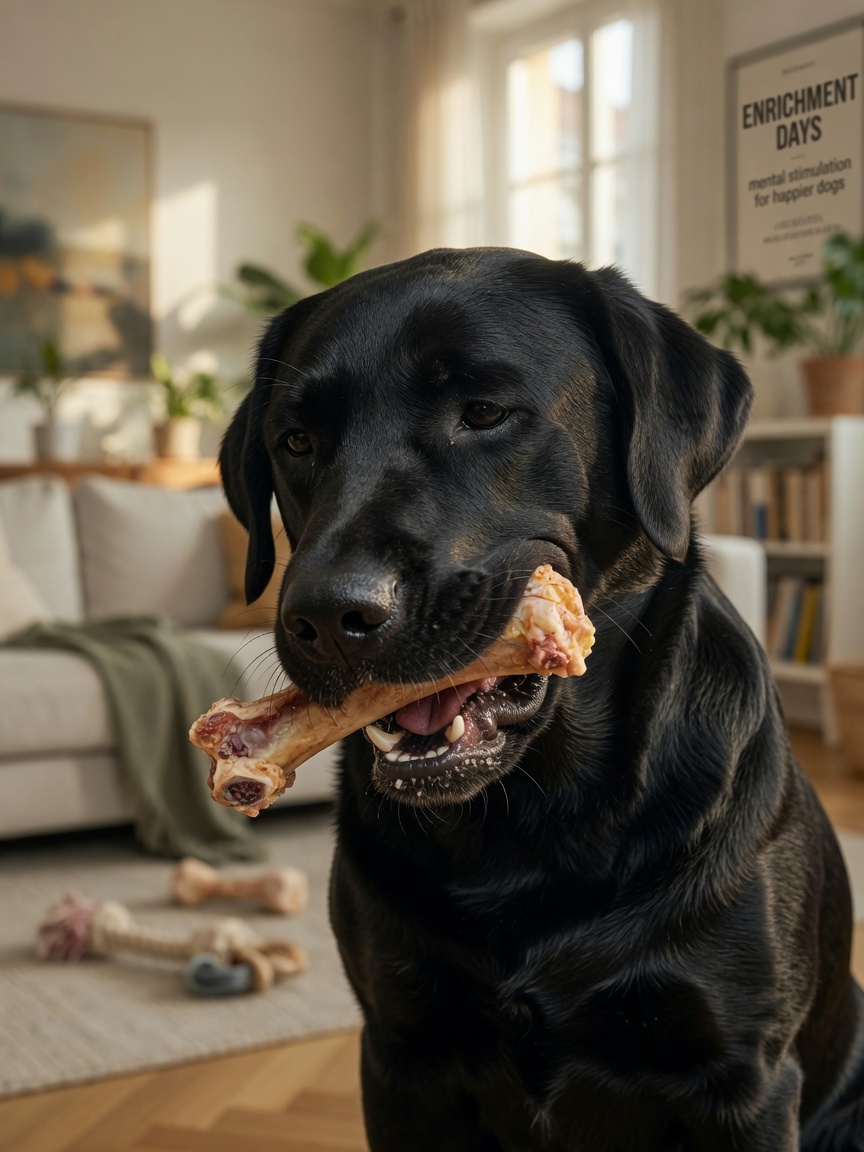
Bones aren't inherently bad for dogs. In fact, they can offer several advantages when chosen and handled correctly:
- Dental health: Chewing on raw bones can help remove plaque and tartar from teeth, promoting better oral hygiene
- Mental stimulation: Bones provide enrichment and can keep dogs occupied, reducing boredom and anxiety
- Nutritional value: Raw bones contain calcium, phosphorus, and other minerals beneficial for skeletal development
- Natural cleaning: The abrasive action of gnawing helps exercise jaw muscles and maintain gum health
The Real Risks: When Bones Become Dangerous
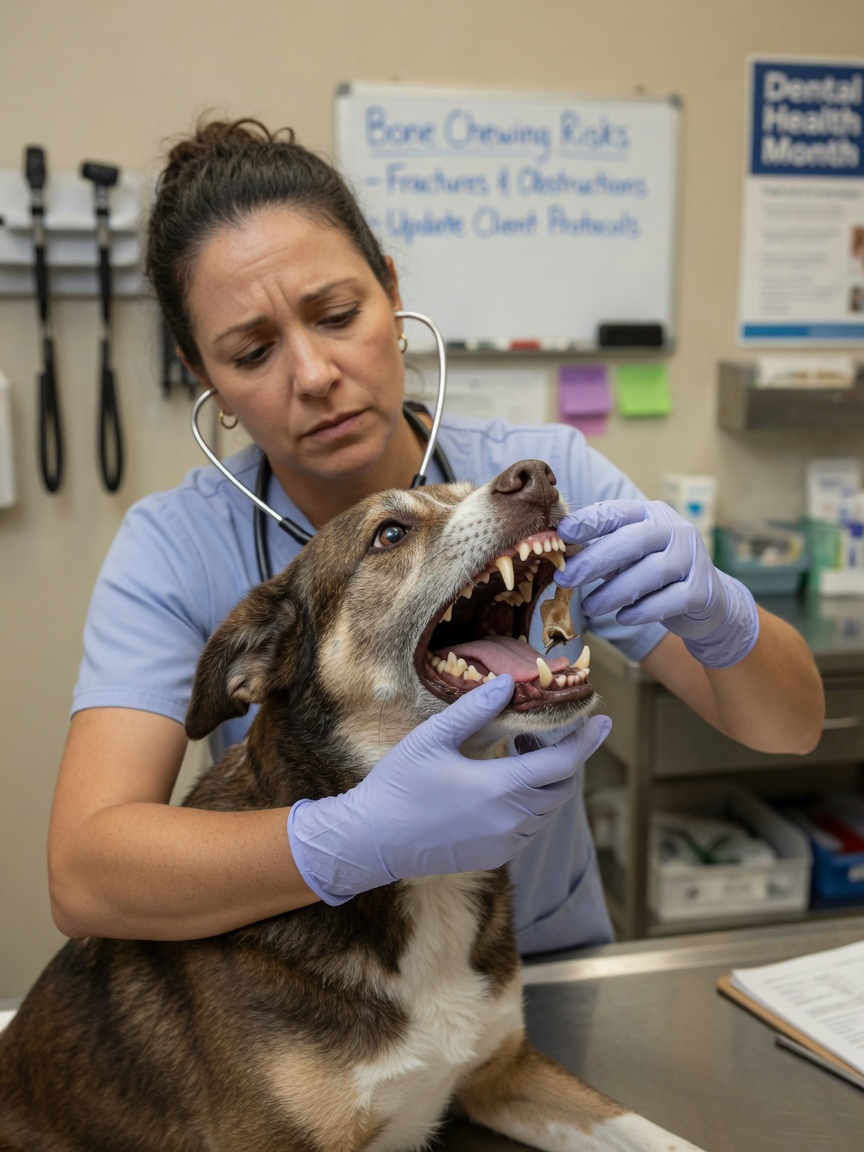
Despite potential benefits, bones present significant hazards that shouldn't be overlooked. The risks vary depending on the type of bone and how it's prepared:
- Cooked bones: These become brittle and splinter easily, causing choking hazards, intestinal blockages, or perforations
- Bone fragments: Sharp pieces can cut gums, mouth tissue, or the oesophagus
- Blockages: Swallowed bone fragments may accumulate in the intestines, requiring emergency surgery
- Bacterial contamination: Raw bones can harbour harmful bacteria like E. coli or Salmonella
- Dental fractures: Hard bones can crack teeth, leading to painful root canal infections
Safe Bone Options for Your Dog
If you decide to give your dog bones, prioritise safety by following these guidelines:
- Choose raw bones only—never cooked ones
- Select appropriately sized bones that your dog cannot swallow whole
- Opt for softer raw bones like chicken necks or lamb bones rather than hard weight-bearing bones
- Supervise your dog at all times whilst chewing
- Remove bones after 15-20 minutes to prevent excessive consumption
- Avoid bones with jagged edges or signs of splintering
Safer Alternatives to Consider
If you're concerned about the risks, numerous alternatives provide similar benefits without the danger:
- Rubber chew toys designed for dogs
- Nylabone and similar synthetic chewing products
- Natural alternatives like yak chew snacks
- Raw meaty bones specifically prepared for dogs (from reputable suppliers)
- Dental chew treats approved by veterinary organisations
When to Avoid Bones Altogether
Certain dogs should never be given bones, including puppies still developing adult teeth, senior dogs with compromised dental health, dogs with a history of digestive issues, and those prone to gulping food without proper chewing. Additionally, dogs with pancreatitis or obesity should avoid fatty bones.
Key Takeaways
Bones can be safe for dogs when approached thoughtfully, but they're not essential for a healthy diet. The decision ultimately depends on your individual dog's age, health status, and chewing habits. If you do offer bones, always supervise closely and consult your veterinarian first, particularly if your dog has underlying health conditions. Remember, the safest approach is often the best one—when in doubt, opt for proven-safe alternatives that deliver the same enrichment benefits without the potential complications.