
A Crisis That Does Not Respect Species Boundaries
By 2050, antimicrobial resistance is projected to cause ten million deaths per year globally — surpassing cancer as a leading cause of mortality. While much public debate focuses on antibiotic overuse in human medicine and agriculture, the contribution of companion animal antibiotic use is an increasingly recognised part of the same problem. The bacteria in your dog's urinary tract and the bacteria causing a drug-resistant infection in a hospital patient may share resistance genes — passed not through direct contact, but through the invisible flow of microbial genetics across the environment we all share.
How Antibiotic Resistance Develops and Spreads
Resistance emerges through natural selection. When a population of bacteria is exposed to an antibiotic, susceptible organisms die. Those with mutations that confer resistance survive and replicate, passing their resistance traits to offspring and, crucially, to other bacterial species through a process called horizontal gene transfer. This transfer can occur between bacteria in the gut of a dog, in soil, in water, and in the human gut — regardless of whether the bacteria are of the same species or even the same genus.
Resistance genes do not stay where they are created. They move through shared environments: faeces deposited in parks, garden soil, household waste, water run-off, and even the air near densely housed animals. Once resistance genes enter the environment, they can persist for years.
The Role of Companion Animals in the Resistance Ecosystem
Volume and Frequency of Antibiotic Use
Dogs and cats in many countries receive antibiotics at rates comparable to — and sometimes exceeding — those in human medicine on a per-individual basis. Common prescribing scenarios include skin infections, urinary tract infections, dental disease, and respiratory illness. In many cases, antibiotics are prescribed empirically, without culture and sensitivity testing, meaning they may not be targeting the actual pathogen present and are selecting for resistance without therapeutic benefit.
Sharing of Critical Antibiotics
Particularly concerning is the veterinary use of antibiotics classified as critically important for human medicine by the World Health Organisation — including fluoroquinolones and third-generation cephalosporins. These drugs are prescribed in veterinary practice for conditions where they may not be the most appropriate first-line choice, depleting their effectiveness for cases in both human and animal medicine where they are genuinely needed.
Pet-Human Microbiome Exchange
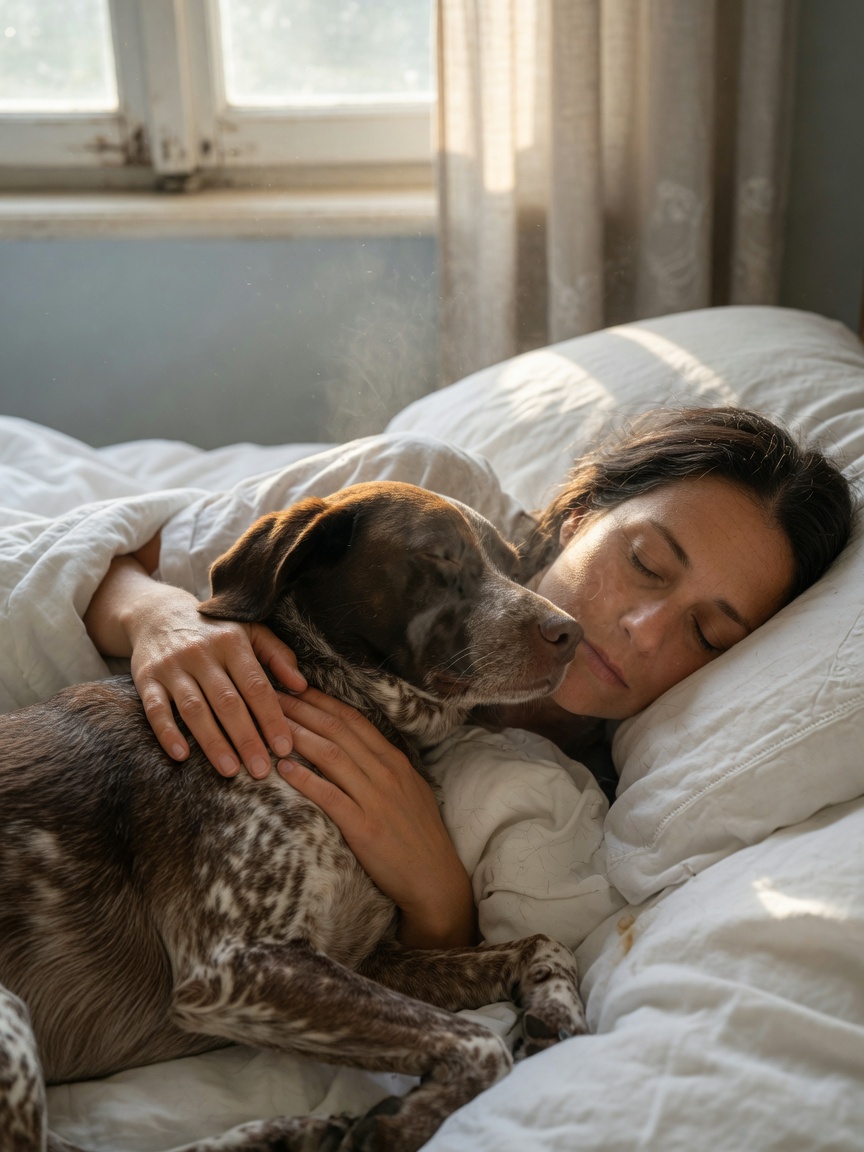
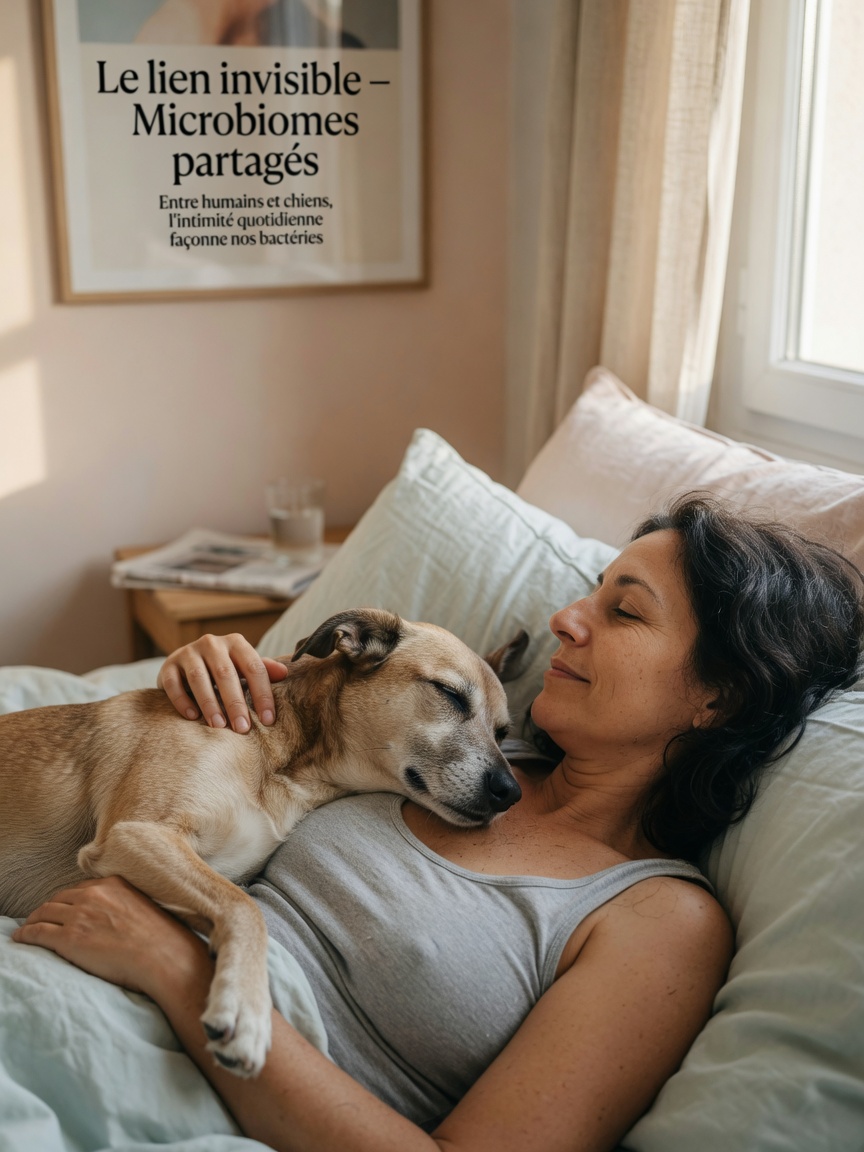
Studies have demonstrated that pet owners and their dogs share bacterial strains and resistance genes, with the degree of sharing correlating with the closeness of contact. Pets that sleep in their owners' beds, receive kisses, or share food show greater microbiome overlap. This is normally a benign aspect of cohabitation — but when one party carries antibiotic-resistant bacteria, the exchange becomes clinically relevant.
What Responsible Antibiotic Use Looks Like
For Pet Owners
- Never request antibiotics for viral conditions such as most upper respiratory infections — they are ineffective and drive resistance
- Always complete the full prescribed course of antibiotics, even if your pet appears to have recovered
- Never use leftover antibiotics from a previous course without veterinary instruction — you may be using the wrong drug at the wrong dose for the wrong duration
- Ask your vet whether a culture and sensitivity test is appropriate before antibiotics are prescribed, particularly for recurrent infections
- Ask whether topical treatment, rather than systemic antibiotics, is appropriate for localised infections
Questions Worth Asking Your Vet
- Is this infection bacterial, or could it be viral or fungal?
- Do we need antibiotics now, or can we wait for culture results?
- Is this the narrowest-spectrum antibiotic that would be effective?
- Are there non-antibiotic management options we should try first?
What the Veterinary Profession Is Doing
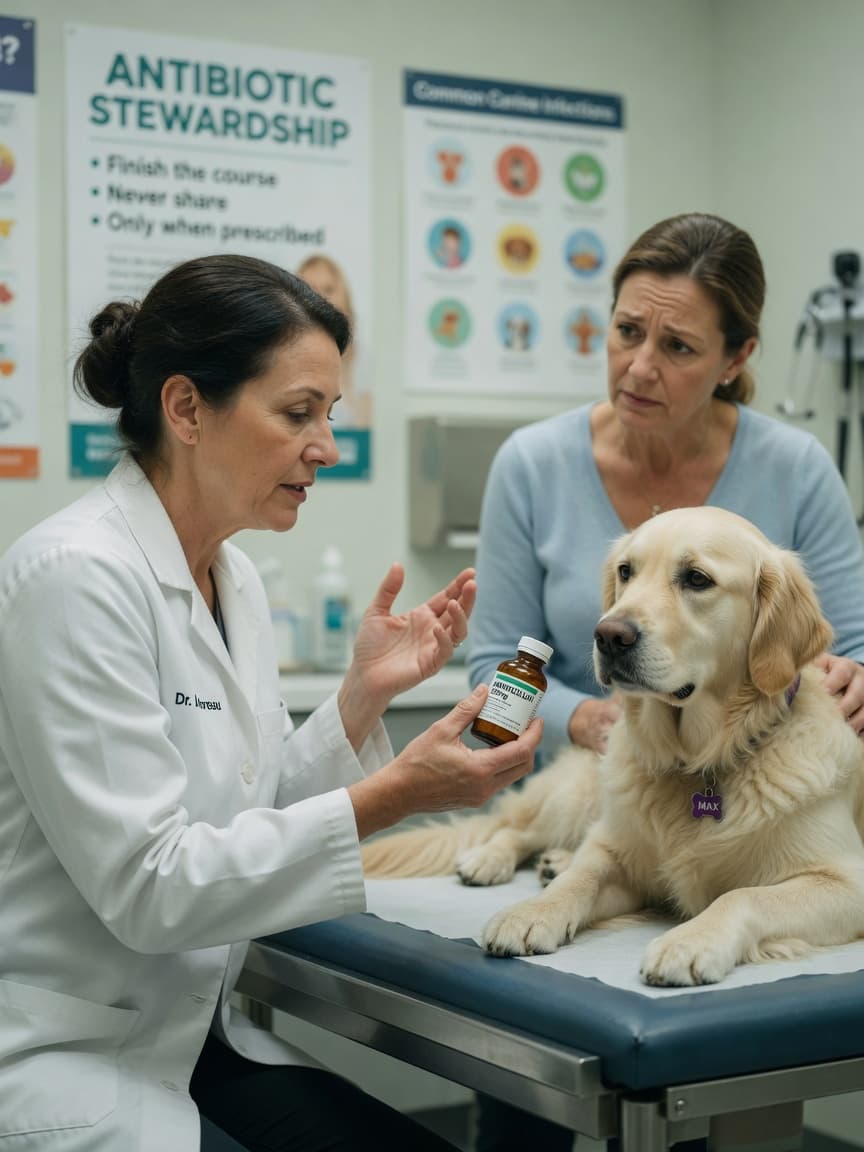
Veterinary bodies across Europe and the UK have introduced antimicrobial stewardship frameworks that encourage culture-guided prescribing, establish first, second, and third-line antibiotic categories, and restrict the empirical use of critically important antimicrobials. The European Medicines Agency maintains a categorisation system — AMEG — that classifies veterinary antibiotics by their importance to human health, with Category A drugs effectively prohibited from routine veterinary use.
These frameworks represent meaningful progress, but their effectiveness depends on uptake across the profession and on pet owners who understand why a vet choosing not to prescribe antibiotics immediately is making the responsible choice, not a negligent one.
The One Health Perspective
Antimicrobial resistance is the defining example of what scientists call a One Health problem: an issue that cannot be addressed by human medicine, veterinary medicine, or environmental science working in isolation. The antibiotic a dog receives today may select for resistance genes that appear in a human pathogen tomorrow. The solution requires joined-up thinking and joined-up action across all three domains.
As a pet owner, your choices are genuinely part of this picture. Supporting thoughtful, evidence-based prescribing from your vet — even when that means not receiving antibiotics immediately — is one of the most meaningful contributions you can make to a problem that affects every family, in every country, regardless of whether they own a pet.
Practical Steps to Take Now
- Build a relationship with a vet who follows antimicrobial stewardship principles and discuss these principles openly
- Prioritise culture testing for recurrent or non-resolving infections before accepting repeat prescriptions
- Maintain your pet's overall health through nutrition, preventive care, and dental hygiene to reduce infection frequency
- Dispose of unused antibiotics through pharmacy or veterinary take-back schemes — never in household waste or down drains
- Pick up pet faeces in public spaces — resistance genes in faeces contaminate shared environments
- Stay informed: antimicrobial resistance guidance for pet owners continues to evolve as the evidence base grows