
A Powerhouse Breed With Specific Hereditary Risks
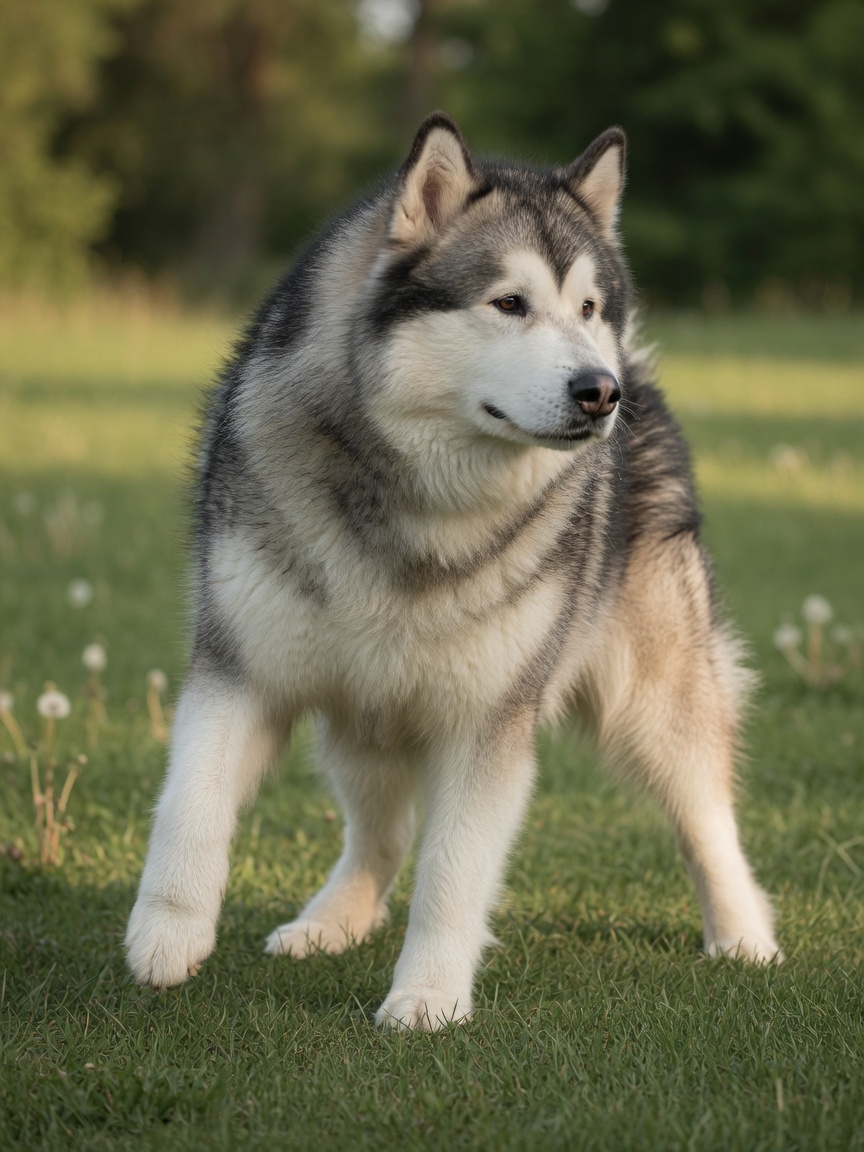
The Alaskan Malamute is one of the oldest Arctic sled dog breeds — massive, powerful, and bred for endurance hauling over long distances. Despite their formidable physical presence, Malamutes carry a set of hereditary health conditions that demand attention from owners and breeders alike. Three in particular — hip dysplasia, chondrodysplasia, and inherited polyneuropathy — are central to understanding this breed's long-term health.
Hip Dysplasia: Significant Risk in a Heavy Breed
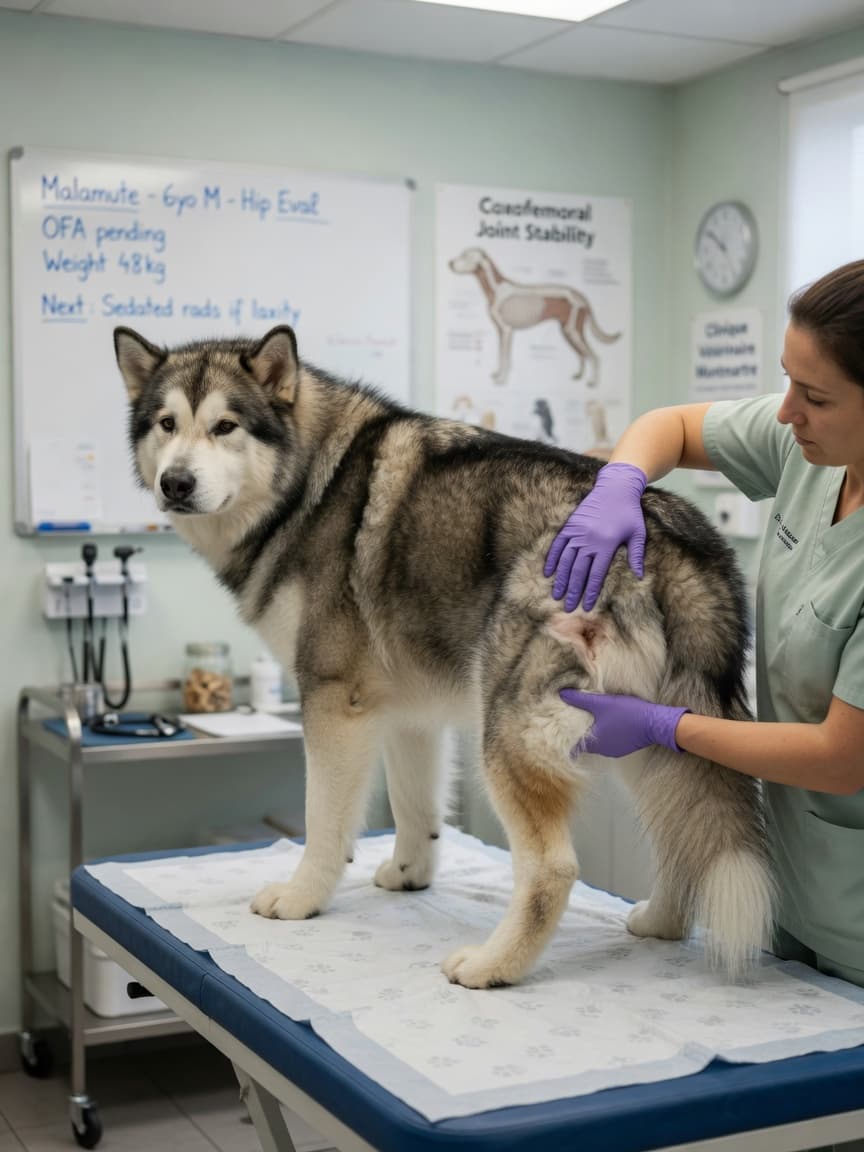
Hip dysplasia is among the most commonly reported orthopaedic conditions in Alaskan Malamutes. Given their large frame and muscular build, abnormal hip joint development places considerable mechanical stress on already substantial joints. The condition arises when the femoral head does not seat correctly in the acetabulum, leading to instability, cartilage erosion, and progressive arthritis.
Recognising the Signs
- Reluctance to rise, climb stairs, or jump in young and middle-aged dogs
- A swaying, wide-based rear gait or a characteristic bunny-hop when running
- Hindlimb muscle wastage in dogs with chronic disease
- Stiffness after rest that improves with gentle movement
Diagnosis is by radiography, and formal hip scoring under a recognised scheme such as the BVA/KC Hip Dysplasia Scheme is strongly recommended for all breeding animals. Management ranges from conservative approaches — weight management, controlled low-impact exercise such as swimming, physiotherapy, and anti-inflammatory medication — to surgical options in severe or young cases. Body weight is a critical variable; even a modest reduction in weight can meaningfully reduce pain and slow joint degeneration.
Chondrodysplasia: A Dwarfism Disorder

Chondrodysplasia in Alaskan Malamutes is a hereditary condition resulting in disproportionate dwarfism. It is caused by a recessive gene mutation that disrupts normal cartilage and bone development. Affected puppies are born with short, bowed limbs that are disproportionate to their body size.
How It Presents
- Shortened, curved forelimbs apparent from birth or early puppyhood
- Affected pups are markedly smaller than littermates
- Anaemia frequently accompanies the skeletal abnormalities
- Some dogs also show enlarged abdomens due to organ involvement
Chondrodysplastic Malamutes can live relatively comfortable lives with attentive care, though they are not suitable for working or high-impact activities. The anaemia associated with the condition requires monitoring and may need treatment. DNA testing to identify carriers is available and essential for responsible breeding — two carrier parents can produce affected offspring even when both parents appear entirely normal. No dog known to carry the gene should be bred without veterinary and genetic counselling.
Inherited Polyneuropathy
Polyneuropathy refers to disease affecting multiple peripheral nerves simultaneously. In Alaskan Malamutes, an inherited form has been identified that causes progressive neurological deterioration. The condition is caused by a recessive genetic mutation and typically becomes apparent in young dogs between one and three years of age.
Neurological Signs to Recognise
- Progressive weakness in all four limbs, often starting at the rear
- Exercise intolerance — the dog tires rapidly and may collapse
- Muscle wasting, particularly in the hindquarters
- Abnormal breathing sounds or respiratory difficulties in advanced cases
- Loss of reflexes in affected limbs
The progression of Malamute polyneuropathy is variable. Some dogs deteriorate rapidly; others plateau for extended periods. There is no curative treatment. Management is supportive — maintaining a comfortable environment, avoiding overexertion, and addressing complications such as aspiration pneumonia if respiratory muscles become involved. DNA testing for the causative mutation is available and should be used in all breeding programmes. Affected animals and confirmed carriers should not be bred.
Supporting Malamute Health Through Nutrition
A large, muscular breed with joint, bone, and neurological vulnerabilities requires a diet that is carefully calibrated for their size and specific risks.
- Feed to maintain lean body condition — excess weight is particularly damaging in a breed already prone to joint disease
- Prioritise high-quality animal protein to support muscle mass without excess calories
- Omega-3 fatty acids from marine sources have anti-inflammatory properties beneficial for joint health
- Ensure adequate but not excessive calcium and phosphorus during growth — oversupplementation in large-breed puppies can worsen skeletal development
- For dogs with kidney involvement or on long-term anti-inflammatory medication, discuss dietary adjustments with your vet
Malamute puppies should be fed a large-breed puppy formula, which controls energy density and mineral ratios to support steady, healthy skeletal growth. Rapid growth phases increase the risk of developmental orthopaedic disease.
Practical Steps for Malamute Owners and Breeders
- DNA test all breeding animals for chondrodysplasia and inherited polyneuropathy
- Hip score breeding stock under a recognised scheme before mating
- Monitor puppies carefully from birth for limb abnormalities or failure to thrive
- Watch for early signs of exercise intolerance or gait changes in young adult dogs
- Maintain your Malamute at an ideal body weight throughout life
- Schedule regular veterinary check-ups that include neurological and orthopaedic assessment
- Consult your vet before initiating any supplement or dietary change
Alaskan Malamutes are loyal, hardworking dogs that form deep bonds with their families. The hereditary conditions described here are real concerns, but none of them are inevitable — responsible breeding practices and early, attentive veterinary care can significantly reduce their impact. Understanding the risks is the first step toward giving your Malamute the long, comfortable life they deserve.