ForPetsHealthcare
Hunde

Kattenaggressivität: Arten, Ursachen und Lösungen

By Julia WrenfieldAktualisiert 4. August 20261 min read
Evidence-based · Sources checked
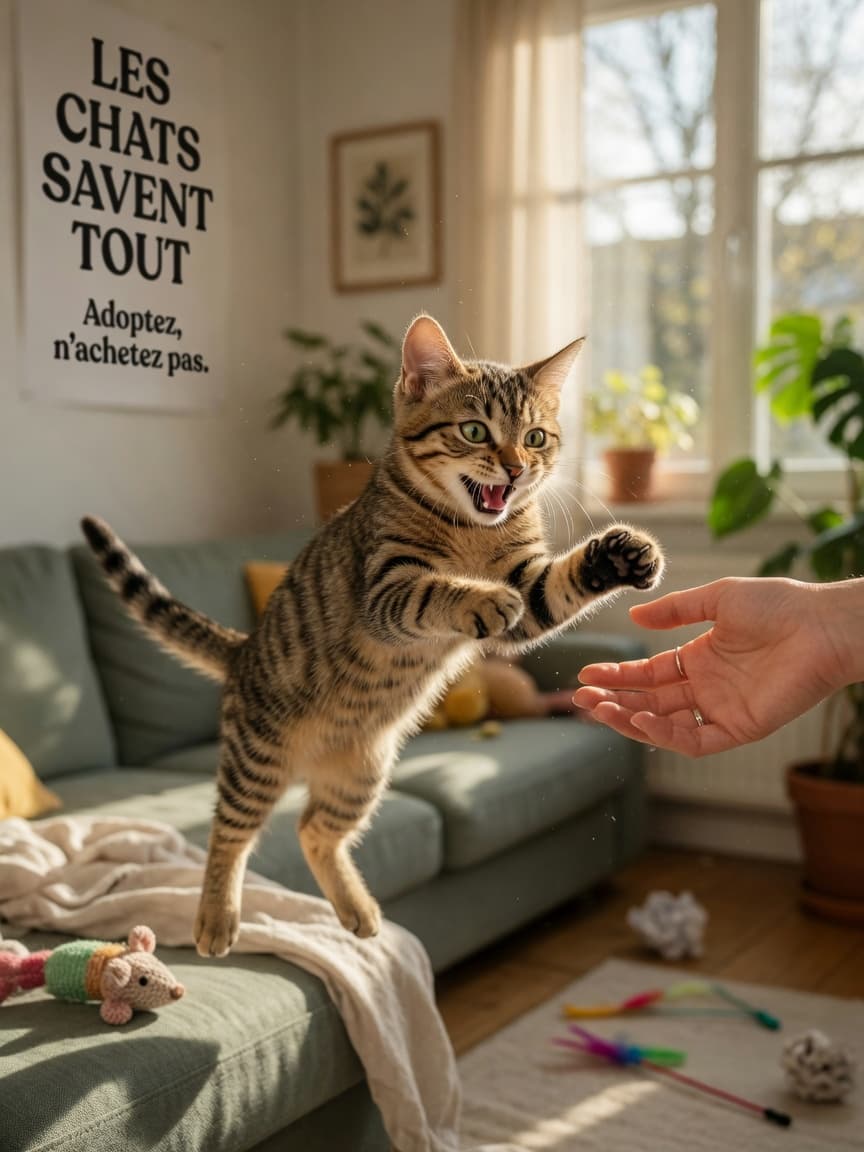
{"en": "Aggressive cat hissing and showing teeth with flattened ears during confrontation", "es": "Gato agresivo bufando y mostrando los dientes con orejas aplastadas durante confrontaci\u00f3n", "fr": "Chat agressif feulant et montrant les dents avec les oreilles aplaties pendant une confrontation", "de": "Aggressiver Katze faucht und zeigt Z\u00e4hne mit angelegten Ohren w\u00e4hrend einer Konfrontation", "nl": "Agressieve kat die sist en tanden toont met platgelegde oren tijdens confrontatie", "pt": "Gato agressivo sibilando e mostrando os dentes com orelhas achatadas durante confronto", "it": "Gatto aggressivo che soffia e mostra i denti con orecchie appiattite durante confrontazione"}
Katzenaggressionen sind fast immer verständlich, wenn Sie die Ursache identifizieren.

Arten

  • Spielaggressivität: junge Katzen beißen in Hände und Füße
  • Streichel-induziert: Überreizung - Katze beißt nach dem Genießen von Streicheleinheiten
  • Angst-Aggression: Katze fühlt sich bedroht
  • Territorial: häufig bei neuen Katzen im Haus
  • Umgeleitete Aggression: Frustration über eine Sache wird auf Sie umgelenkt

Lösungen

  • Spielaggressivität: verwenden Sie Angelspielzeug, niemals Hände
  • Streicheln: lernen Sie die Signale Ihrer Katze und stoppen Sie vor Überreizung
  • Angst: geben Sie Raum, entfernen Sie den Auslöser
```
#cat aggression types causes solutions#cat health#feline nutrition#forpetshealthcare

Quellen & weiterführende Literatur

Dieser Artikel basiert auf begutachteter tiermedizinischer Forschung und seriösen Quellen. Entdecken Sie die Wissenschaft in unserer Forschungsbibliothek.

Related articles

Die 19 besten Tierheime in den Niederlanden (2026)

the Netherlands's animal shelters, rescue associations and refuges save thousands of dogs, cats and other animals every year, almost always on tiny budgets and volunteer power. To build the most objective ranking possible, we analysed public Google reviews across more than 56 registered animal-prote…

Read more →

Die 25 besten Tierheime in Italien (2026)

Italy's animal shelters, rescue associations and refuges save thousands of dogs, cats and other animals every year, almost always on tiny budgets and volunteer power. To build the most objective ranking possible, we analysed public Google reviews across more than 121 registered animal-protection org…

Read more →

Die 48 besten Tierheime in Deutschland (2026)

Germany's animal shelters, rescue associations and refuges save thousands of dogs, cats and other animals every year, almost always on tiny budgets and volunteer power. To build the most objective ranking possible, we analysed public Google reviews across more than 152 registered animal-protection o…

Read more →

Die 32 besten Tierheime in Frankreich (2026)

France's animal shelters, rescue associations and refuges save thousands of dogs, cats and other animals every year, almost always on tiny budgets and volunteer power. To build the most objective ranking possible, we analysed public Google reviews across more than 89 registered animal-protection org…

Read more →

Die 8 besten Tierheime in Portugal (2026)

Portugal's animal shelters, rescue associations and municipal centros de recolha save thousands of dogs, cats and other animals every year, almost always on tiny budgets and volunteer power. To build the most objective ranking possible, we analysed public Google reviews across more than 86 registere…

Read more →

Sphynx-Katzenhautpflege und Hygiene: Ursachen, Anzeichen & Pflege

Sphynx-Katzen haben wenig bis keine Felldecke, was bedeutet, dass die Haut selbst die Funktionen übernimmt, die normalerweise das Fell erfüllt – Isolierung, Ölverteilung und Schutzbarriere – was sie anfällig für Fettigkeit, verstopfte Poren, Pilzinfektionen und Sonnenbrand macht. Das Wichtigste zu wissen ist, dass die Haut einer Sphynx reg…

Read more →
Disclaimer:This article is for informational purposes only and does not constitute veterinary advice. Always consult a qualified veterinarian for your pet's health concerns.

Free newsletter

Pet health tips, straight to your inbox

Weekly science-backed advice for dog & cat owners. No spam, unsubscribe anytime.